One State, Very Different Weather
Texas spans almost every kind of climate. Average annual precipitation ranges from less than 10 inches in far West Texas to more than 60 inches in the far southeast, because moisture from the Gulf of Mexico mostly feeds the eastern half of the state.
That spread means the water risk in Beaumont looks nothing like the risk in Lubbock. Hurricanes and slow-moving tropical systems threaten the coast from June 1 through November 30, Central Texas is known for sudden, extreme flash floods, and arctic outbreaks can freeze pipes almost anywhere, including places that rarely see a hard freeze.
Four Ways Water Gets Into Texas Homes
Tropical rainfall
Hurricane Harvey stalled near Houston in 2017 and dropped more than 30 inches of rain in many locations and more than 50 inches in a few. Flat land and bayous leave little room for that water to go. Our flood damage restoration guide explains what recovery from that kind of flooding involves.
Hill Country flash floods
Thin soils and steep terrain turn heavy rain into fast, violent river rises. In July 2025, the Guadalupe River at Kerrville rose 32.5 feet in 1.5 hours.
Hard freezes and burst pipes
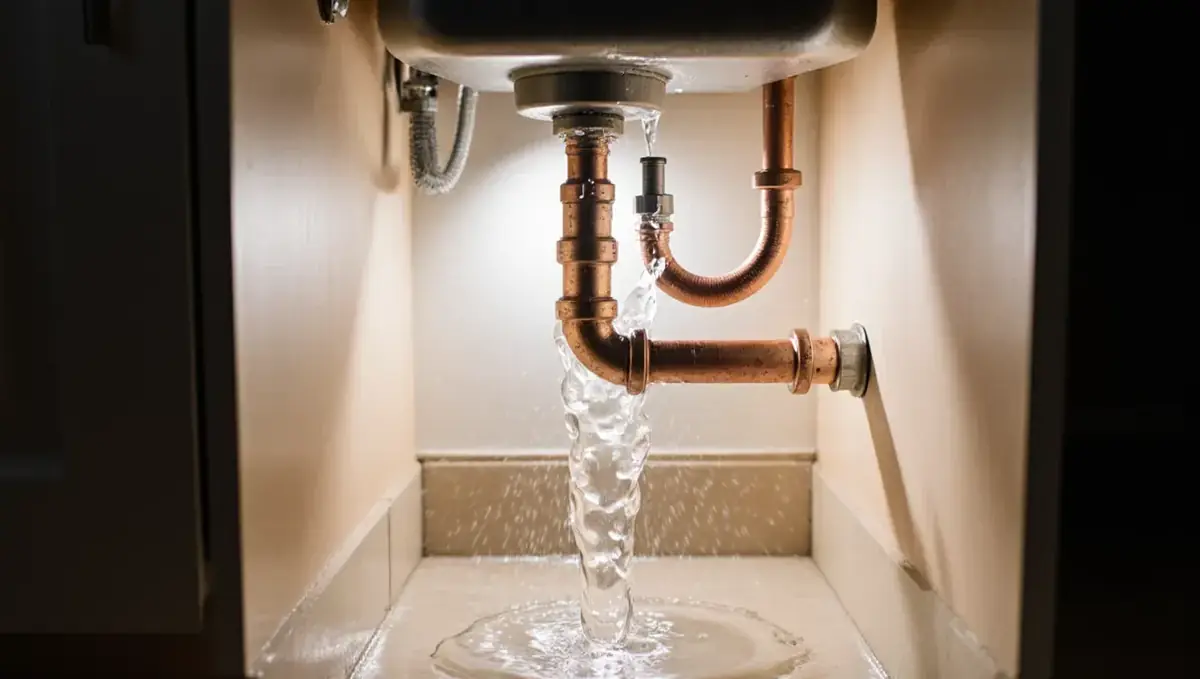
During the February 11–20, 2021 winter storm, nearly 10 million people lost power at the peak of outages and frozen pipes burst throughout the state. A split pipe can soak walls and ceilings fast once it thaws, making emergency water extraction the first step.
Preparing before a forecast freeze helps. In 2021, pipes burst even in South Texas and the Rio Grande Valley, where killing freezes are rare, so insulate exposed lines and know where your main shutoff valve is before cold weather arrives.
Storm surge
Surges of 11 to 13 feet along the Texas coast typically have return periods of about 25 years, and Texas averaged about three tropical storms or hurricanes every four years from 1900 to 2020.
What Each Texas Region Should Watch For
- Greater Houston and the Upper Gulf Coast. Houston, Pasadena, Baytown, Sugar Land, Conroe and Galveston share flat terrain, bayous and surge exposure. Read more on our Houston water damage page.
- The Golden Triangle. Beaumont, Port Arthur and Orange are low and coastal, near the Neches and Sabine rivers, and Harvey's flooding reached across southeast Texas.
- Coastal Bend and Rio Grande Valley. Corpus Christi, Victoria, Brownsville and McAllen face hurricane surge and wind. In February 2021 the Valley also had its first widespread killing freeze since December 1989.
- Central Texas and the I-35 corridor. San Antonio, Austin, New Braunfels and San Marcos sit near Hill Country streams that can rise within hours.
- North Texas. Dallas, Fort Worth, Arlington and Plano get flash flooding from severe thunderstorms and freeze damage in winter storms. See our Dallas page for more.
- West Texas and the Panhandle. Lubbock and Amarillo are the driest part of the state, but record cold can still burst pipes and heavy storms can cause localized flooding.
Texas Disasters That Changed How People Prepare
Tropical Storm Allison (2001) dropped up to 38.78 inches of rain on the Houston area in June 2001, with 22 flood-related deaths during the June 8–9 peak.
Hurricane Harvey (2017) made landfall on August 25, 2017, then stalled, producing more than 50 inches of rain in some locations.
The February 2021 winter storm brought record cold and outages, with widespread burst pipes and more than 200 deaths reported in Texas.
The July 2025 Hill Country flood followed more than 20 inches of rain in places over July 3–6, and at least 135 people died.
These events touched very different parts of the state, a reminder that no Texas region is free of water risk.
Texas Mold Rules and Checking Licenses
Texas regulates mold work closely. The Texas Department of Licensing and Regulation (TDLR) licenses mold assessment and remediation technicians, consultants, contractors, companies and laboratories. A license is generally required when mold covers 25 contiguous square feet or more.
- The same person or company may not do both the assessment and the remediation on the same project.
- After remediation, a Certificate of Mold Remediation must be issued within 10 days. Keep it, because sellers must give buyers copies.
- Check mold, electrical and air conditioning licenses with the TDLR License Search, and check plumbers through the Texas State Board of Plumbing Examiners.
Also ask about local city registration requirements, insurance and training such as IICRC certification. Our mold removal page covers the basics of containment and cleanup.
Insurance Realities for Texas Water Losses
A standard Texas homeowners policy won't pay for flood damage. In the 14 first-tier coastal counties, wind coverage is often written through the Texas Windstorm Insurance Association (TWIA), and TWIA policies cover wind and hail only. Flood coverage needs a separate NFIP or private policy, and a new NFIP policy generally has a 30-day waiting period.
According to the Texas Attorney General, most Texas homeowner policies cover only sudden and accidental water leaks and may exclude or cap mold remediation. Read your policy, report damage promptly and photograph everything before cleanup starts.
Calling WaterQ in Texas
WaterQ is a free referral service, not a contractor. Call (888) 817-5061 and we connect you with a trusted, local restoration company near you. The restoration professional you're connected with assesses the damage and handles extraction, structural drying and repairs with you directly.
If pipes have burst, shut off the main water valve first, and keep away from water near electrical panels or outlets. In a Hill Country or coastal flood, wait for officials to say it's safe before returning. Once you're back inside, remember that mold can begin growing within 24 to 48 hours on wet materials in the Texas heat. The line is available 24/7: call (888) 817-5061 any time, day or night.
Frequently Asked Questions
Does a TWIA policy cover flooding?
No. TWIA policies cover wind and hail only. Flood damage requires an NFIP or private flood policy, and a new NFIP policy generally has a 30-day waiting period.
When does mold remediation need a licensed company in Texas?
TDLR generally requires a license for mold of 25 contiguous square feet or more. The assessor and remediator on the same project must be different, and a Certificate of Mold Remediation must be issued within 10 days after the work.
Will homeowners insurance pay for a burst pipe after a freeze?
It depends on your policy. The Texas Attorney General notes that most Texas homeowner policies cover only sudden and accidental water leaks and may exclude or cap mold remediation, so read your policy and report the damage promptly.
How can I check a contractor's license in Texas?
Use the TDLR License Search for mold, electrical and air conditioning licenses, and the Texas State Board of Plumbing Examiners for plumbers. Also check any city registration requirements.
Is WaterQ the company that comes to my house?
No. WaterQ is a free referral service. Calling (888) 817-5061 connects you with an independent, local restoration company that does the work.