A Drier Coast That Still Takes On Water
Corpus Christi gets far less rain than the upper Texas coast, about 31.7 inches in an average year. That can lull property owners into thinking water damage is rare here. The record book says otherwise: 9.86 inches fell on July 2, 2007, and September 1967 brought 20.33 inches in a single month.
The city sits at an elevation of only about 6.6 feet and wraps around Corpus Christi Bay, with Nueces Bay to the north, Oso Bay and the Laguna Madre to the south, and city land out on Padre Island. When rain does come, it often comes hard, and low-lying streets near the bays have little slope to shed it.
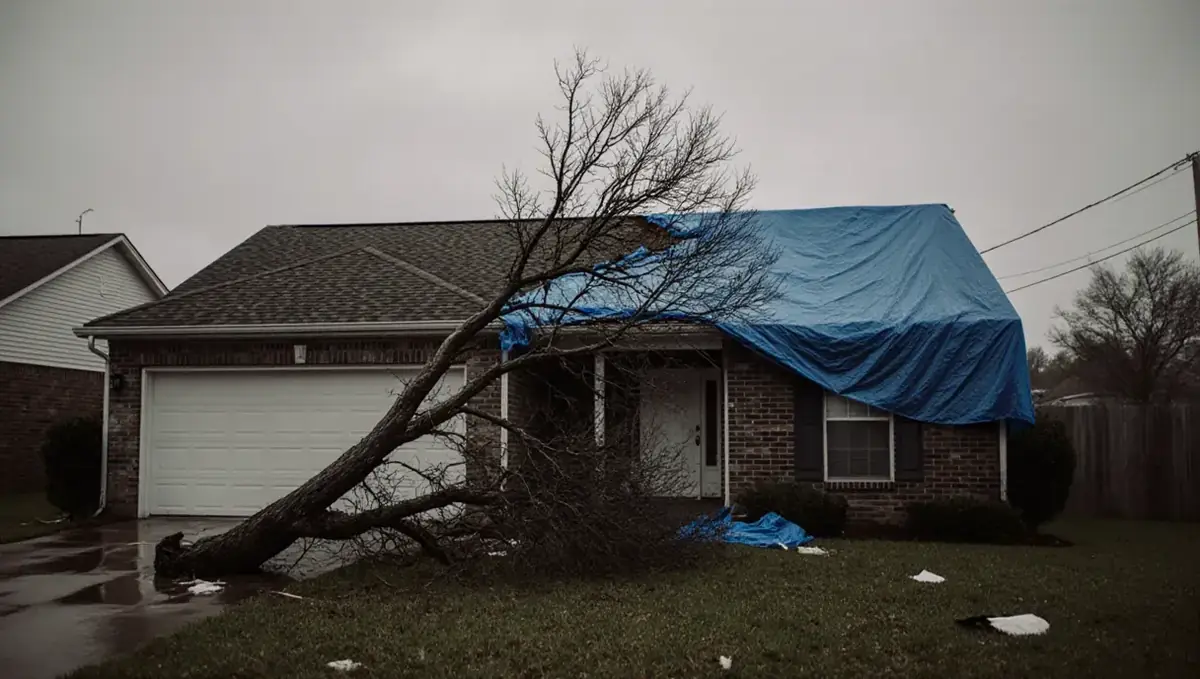
For most homes, though, the leading cause of water damage in Corpus Christi is simpler: wind opens the roof, and the rain that follows soaks the attic, insulation and ceilings.
Roofs First: What Harvey Taught the Coastal Bend
Hurricane Harvey made landfall in 2017 on San Jose Island near Rockport, northeast of the city. In Corpus Christi, the airport recorded a 63 mph gust before going offline, and the National Weather Service reported that most homes in the metro area had roofing problems, mainly lost shingles. The entire city lost power for several days, and the port closed for a record six days.
That kind of widespread, moderate damage is easy to underestimate. A few missing shingles may not drip right away, but every rain afterward can push water into the decking and attic.
- Check ceilings for new stains, bubbling paint or sagging drywall.
- Look in the attic, with a flashlight and care, for wet insulation or daylight through the deck.
- Before anyone climbs up for a temporary fix, take photos of the roof and siding from the yard.
- Ask for tarping as part of storm damage cleanup so more rain does not get in.
Surge Risk Along the Bayfront and on Padre Island
Corpus Christi's history includes some of the most damaging storms on the Texas coast. The September 14, 1919 hurricane devastated the city and killed hundreds, and Hurricanes Celia in 1970 and Allen in 1980 caused major damage. A seawall was later built to protect the downtown bayfront.
Surge depends heavily on the track. Because Harvey's west side pushed winds offshore, flooding in Corpus Christi Bay was generally only 1 to 3 feet above ground, according to the National Hurricane Center, while Port Aransas on Mustang Island saw a 5.21-foot storm tide and more than 6,600 homes impacted. Packery Channel was scoured down to shale bedrock about 40 feet deep.
Island, North Beach and bayfront properties have the most exposure. When surge or bay water enters a building, flood cleanup in Corpus Christi starts with removing salty, contaminated material before any drying begins.
If Water Is Coming In Right Now
- Protect people first. Keep everyone away from water near outlets, extension cords or a sparking panel.
- Close the valve. For a plumbing failure, turn off the main shutoff. It is often near the meter or where the supply line enters the house.
- Catch roof leaks. Put buckets under drips, and if a ceiling is bulging, carefully poke a small hole to drain it into a bucket rather than letting it collapse.
- Know your water category. Clean supply water is Category 1. Bay, surge or street water is Category 3 and should be handled as contaminated.
- Take pictures. Document the source, each room and damaged items before cleanup.
- Call for help. Dial (888) 817-5061 and we will connect you with a local company for water extraction and drying.
Four Stages From Soaked Ceiling to Finished Room
Water damage restoration in Corpus Christi usually follows four stages.
1. Pull out the water
Extractors remove standing water from carpet, pad, tile and wood. Wet insulation from a roof leak is bagged and removed from the attic.
2. Map the moisture
Meters and infrared cameras trace water across ceilings, down wall cavities and under flooring, giving a baseline for the drying plan.
3. Dry the structure
Air movers and dehumidifiers run with daily readings until materials are dry. Coastal humidity and salt air can slow the process near the bay. More on structural drying.
4. Rebuild
Water damage repair in Corpus Christi covers drywall, ceilings, insulation, flooring and cabinets. A reasonable question for any contractor: what licensing, insurance and training, such as IICRC certification, does the company hold?
Remember that even during drought restrictions, a hidden supply leak wastes water and damages the home, so it is worth fixing quickly.
Preventing Mold in a Coastal Climate, and Texas Rules
EPA guidance indicates that wet materials can start to grow mold within 24 to 48 hours. Wet attic insulation, a saturated ceiling or a leak behind a shower wall in a humid bayside home can all start growth if they are not dried promptly.
Mold removal in Corpus Christi follows statewide rules. TDLR generally requires licensed professionals once mold covers 25 contiguous square feet or more. One licensed company or individual assesses the problem, and a separate licensee must do the remediation, because Texas does not allow one party to do both on the same project. The remediator issues a Certificate of Mold Remediation within 10 days of finishing, a document sellers must later pass to buyers.
See our mold removal overview for how containment works.
Wind Policies, Flood Policies and Business Properties
- Wind coverage. Nueces County is on the Texas coast, where wind coverage is often written through TWIA. TWIA policies cover wind and hail only.
- Flood coverage. Homeowners and TWIA policies do not cover flood. That requires NFIP or private flood insurance, and NFIP policies generally take 30 days to take effect.
- Sudden versus gradual. The Texas Attorney General points out that many homeowner policies cover only sudden, accidental water leaks and may limit mold coverage.
- Commercial buildings. Offices, restaurants and retail spaces benefit from documented moisture readings so work can be planned around reopening.
Call (888) 817-5061 any time to be connected with a local restoration company. WaterQ cannot promise any claim outcome, but thorough records give you the best footing.
Corpus Christi Areas and Coastal Bend Communities
Our free referral line connects callers across Corpus Christi and the surrounding Coastal Bend with independent local restoration providers.
Neighborhoods
- Downtown Bayfront
- North Beach
- Ocean Drive
- Southside
- Flour Bluff
- Calallen
- Padre Island
Nearby communities
- Portland
- Robstown
- Port Aransas
- Ingleside
- Aransas Pass
- Rockport
- Kingsville
- Bishop
- Gregory
- Banquete
Corpus Christi Water Damage FAQ
Corpus Christi is fairly dry. Why do so many homes get water damage?
Average rainfall is only about 31.7 inches, but storms can be intense, and hurricanes and strong winds often damage roofs. After Harvey, most homes in the metro area had roofing issues, which lets later rain into attics and ceilings.
What should I check after a windstorm in Corpus Christi?
Look for missing shingles, damaged flashing, ceiling stains and wet attic insulation. Photograph the damage, put down buckets under drips, and arrange tarping before the next rain.
Is Padre Island more at risk than the rest of the city?
Barrier island and bayfront properties generally have the most exposure to surge. During Harvey, the storm tide reached 5.21 feet at Port Aransas while Corpus Christi Bay saw much less flooding because winds blew offshore.
Does a TWIA policy cover flooding?
No. TWIA covers wind and hail only. Flood damage requires a separate NFIP or private flood policy.
Does WaterQ have its own crews in Corpus Christi?
No. WaterQ is a free referral service. Our 24/7 line connects you with an independent, local restoration company, which handles the inspection and the work.
Local emergency and flood resources
Official sources for alerts, flood maps and preparedness in and around Corpus Christi: