Between Two Big Cities, With Its Own Creeks
Arlington sits in eastern Tarrant County at about 604 feet above sea level, roughly 12 miles east of Fort Worth and 20 miles west of Dallas. Its water story is shaped less by the big Trinity River floodways next door and more by the streams that cut through town.
Johnson Creek, a 13-mile tributary of the Trinity, rises near Interstate 20 and runs northeast past Six Flags Over Texas, Globe Life Field and the stadium district before reaching the West Fork of the Trinity in Grand Prairie. A branch runs along the southern edge of the UT Arlington campus. On the west side, Lake Arlington, a city-owned reservoir completed in 1957 on Village Creek, drains about 143 square miles.
Average yearly rain is about 40 inches, with October typically the wettest month and April and May the peak of severe-weather season. That mix means water damage in Arlington tends to arrive three ways: through a storm-damaged roof, from fast-rising runoff during a downpour, or from plumbing that freezes or simply wears out.
Tornado Alley Roofs and Hail-Season Leaks
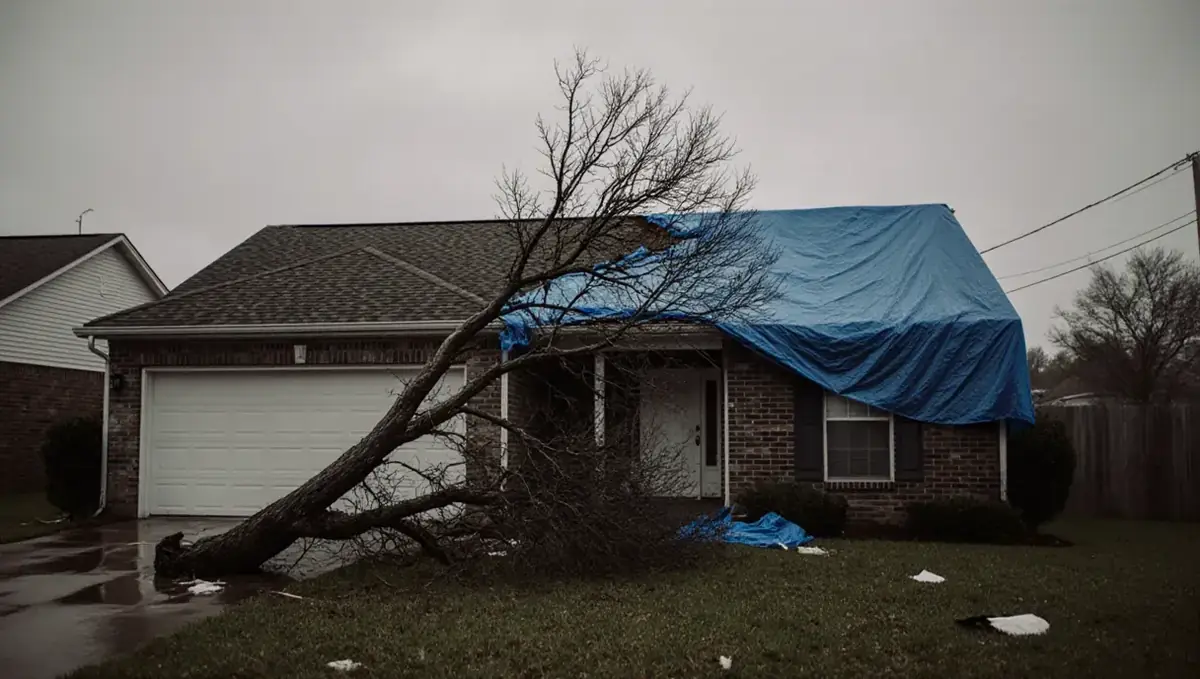
Arlington lies inside Tornado Alley, and the City lists tornadoes, straight-line winds, large hail and flash flooding among its main severe-weather threats. On April 3, 2012, a high-end EF2 tornado tracked from Kennedale into Arlington, destroying 18 homes and damaging 291 more.
A storm does not have to be that severe to let water in. Hail can crack shingles and dent flashing without leaving an obvious hole, and the first sign is often a brown ring on a ceiling weeks later. After a big storm:
- Walk the house and look for wet insulation in the attic, stained drywall and water around windows.
- Cover openings with a tarp only if you can do it safely from the ground or a secure ladder.
- Photograph the roof, gutters, siding and any interior stains before cleanup begins.
Professional storm damage cleanup in Arlington usually pairs temporary weatherproofing with drying of the attic, ceilings and wall cavities, so that a roof repair is not hiding wet framing underneath.
Your Checklist for the First Hour
- Find the source and stop it. For plumbing, close the main shutoff valve. For roof leaks, catch dripping water in buckets and poke a small hole in a bulging ceiling to drain it in a controlled spot.
- Stay clear of electricity. Keep out of standing water near outlets, appliances and extension cords, and switch off breakers only from a dry spot.
- Sort out the type of water. A clean supply line is Category 1. Runoff from the street or creek, or anything that touched a sewer line, is Category 3 and should be handled with protective gear or left to pros.
- Record it. Shoot photos and video of each room and the source before anything is moved.
- Protect belongings. Move rugs, electronics and documents to dry rooms and set furniture on blocks.
- Bring in help. Call (888) 817-5061 and we connect you with a local restoration company that can begin water extraction.
Flash Floods Along Johnson Creek and Low Streets
Because Johnson Creek runs through the center of Arlington, heavy rain can push water toward homes and businesses that are nowhere near the Trinity River. The City warns that floodwaters can be swift, powerful and at times deadly, and asks residents not to drive into flooded roads.
Arlington's floodplain staff can share site-specific flood data, historical flooding information and elevation certificates on file, and an engineer can visit to review drainage concerns. The City's flood information services page explains how to request it, and FEMA flood maps are worth checking too.
When outside water does reach a garage, slab or first floor, flood cleanup starts with removing the water and mud, then pulling out soaked drywall, insulation and carpet that floodwater has contaminated. Cleaning and disinfecting come before any drying equipment is set up.
Inside the Drying and Rebuild Process
Water damage restoration in Arlington is rarely a one-day job. Most restoration companies in the area work through the same stages, adjusted for the size of the loss:
- Inspection and moisture readings. Meters and thermal cameras show how far water moved under flooring and up walls.
- Water removal. Extractors pull standing water from carpet, pad and hard floors.
- Tear-out where needed. Wet baseboards, the bottom of drywall and saturated insulation are often removed so the cavity can breathe.
- Drying. Air movers and dehumidifiers run, with readings taken until materials reach a dry standard. See how structural drying works.
- Repairs. Drywall, paint, flooring and cabinets are replaced once everything checks dry.
Texas does not license general contractors statewide in the way it licenses specific trades. Plumbers are licensed by the State Board of Plumbing Examiners, and electricians and HVAC contractors by TDLR. For water damage repair in Arlington, ask any company about its licensing for the trades involved, its insurance and its training, such as IICRC certification.
Freezes, Apartments and Commercial Space
Hard freezes are rare but costly. During the February 2021 winter storm, DFW dropped to -2 F and stayed at or below freezing for 139 hours in a row, and burst pipes were widespread. Insulate attic and exterior-wall lines, cover outdoor faucets and know where your main shutoff is before a cold snap.
Arlington also has a large rental market, much of it serving the 40,000-plus students at UT Arlington. In apartments, one leak can reach the unit below, so tenants should alert management immediately and check their renters policy for their own belongings. Property managers, offices, shops and venues around the Entertainment District can call (888) 817-5061 to be connected with a provider equipped for multi-unit or commercial drying.
Mold Cleanup and the TDLR License Threshold
Per EPA guidance, mold can start growing on damp materials within 24 to 48 hours, and Arlington's humid summers help it along. Fast drying is the best prevention.
Texas regulates mold work through the Texas Department of Licensing and Regulation (TDLR). A license is generally required for mold of 25 contiguous square feet or more, and the same person or company may not do both the assessment and the remediation on one project. After remediation, a Certificate of Mold Remediation must be issued within 10 days, and sellers must give buyers copies of these certificates. Confirm licenses on the TDLR License Search before work starts, and read more about mold removal.
Getting the Insurance File Right
- Know what is covered. The Texas Attorney General notes that a typical Texas homeowner policy pays for sudden, accidental leaks, not slow ones, and mold remediation may be excluded or capped.
- Flood needs its own policy. Standard homeowners policies exclude flood. NFIP and private flood policies cover it, and a new NFIP policy generally has a 30-day waiting period.
- Report promptly. Notify your insurer as soon as you can and keep damaged items until an adjuster has seen them.
- Save the paperwork. Keep photos, receipts, moisture logs and the drying report.
WaterQ cannot predict how a claim will be decided, but thorough records help. Call (888) 817-5061 to reach a local restoration company, 24/7.
Arlington Areas and Neighboring Cities We Serve
The free referral line connects callers throughout Arlington and nearby Tarrant and Dallas County communities with independent local restoration providers.
Neighborhoods
- Downtown Arlington
- Entertainment District
- College Park District
- Arlington Highlands
- UT Arlington campus area
- North Arlington
- South Arlington
- East Arlington
- West Arlington
Nearby communities
- Fort Worth
- Grand Prairie
- Mansfield
- Kennedale
- Pantego
- Dalworthington Gardens
- Irving
- Dallas
Arlington Water Damage FAQ
What do the outdoor sirens in Arlington mean?
The City operates more than 50 outdoor warning sirens and tests them on the first Wednesday of each month at 1:00 p.m. If they sound at any other time, go indoors right away and check local news for details.
Can the City of Arlington tell me whether my property has flooded before?
Yes. Arlington's floodplain staff can provide site-specific flood data, historical flooding information and elevation certificates on file, and an engineer can visit to review drainage concerns. Contact Public Works at 817-459-6550.
I rent near UTA and my ceiling is leaking. What should I do?
Tell your landlord or property manager immediately, move your belongings away from the leak, and take photos. The building owner usually handles the structure, while a renters policy may cover your own possessions.
When does mold removal in Texas require a licensed company?
TDLR generally requires a license for mold of 25 contiguous square feet or more. The assessor and the remediator must be different companies on the same project, and a Certificate of Mold Remediation should be issued within 10 days after the work.
Is WaterQ a restoration contractor?
No. WaterQ is a free referral service, available 24/7, that connects you with an independent local restoration company. That company inspects the damage and does the work.
Local emergency and flood resources
Official sources for alerts, flood maps and preparedness in and around Arlington: