A Piney Woods City Downstream of a Big Reservoir
Conroe, the Montgomery County seat, sits about 205 feet above sea level in the southwest corner of the East Texas Piney Woods. The West Fork of the San Jacinto River runs along the city's western edge, and the entire city drains into its watershed. Northwest of downtown is Lake Conroe, a reservoir formed by a dam completed in 1973 to provide an alternative water supply for Houston.
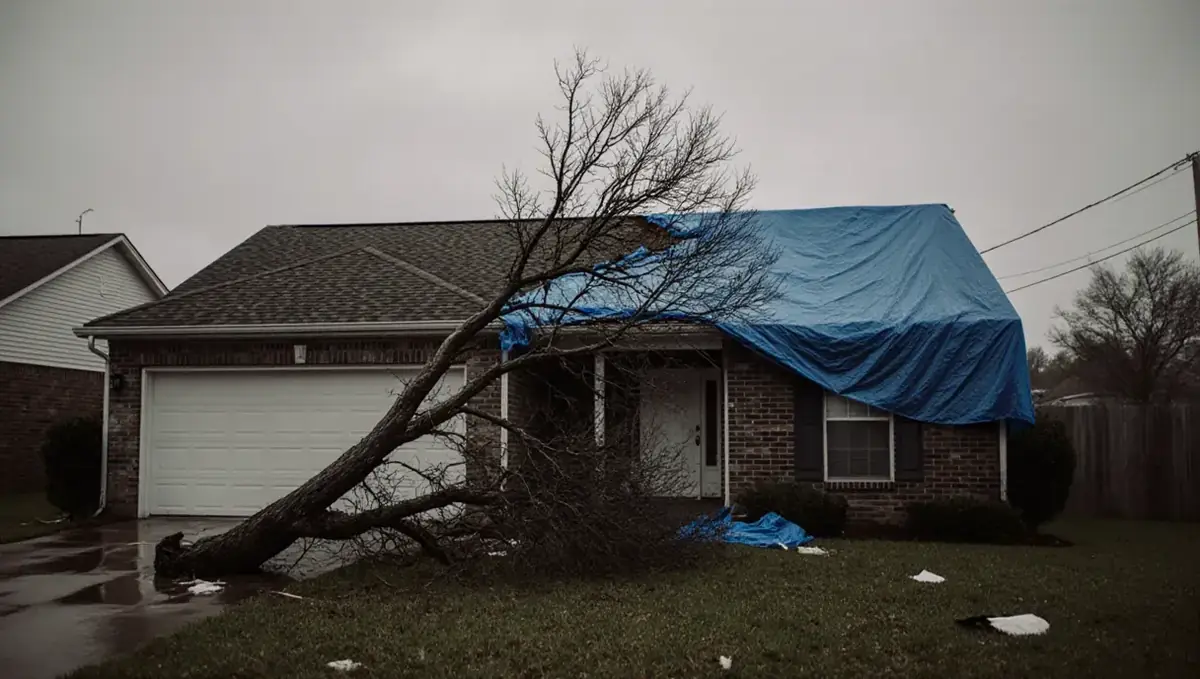
That setting creates a few distinct risks. Annual rainfall averages about 51 inches, and significant flooding along the floodplain occurs when more than nine inches falls in 48 hours, which has roughly a 10 percent chance of happening in any year. When the lake rises in a major storm, releases from the dam add water to the river downstream. And because so much of the area is wooded with loblolly and shortleaf pine, wind can send trees onto roofs.
Inside the house, the causes are familiar: burst pipes, water heater and appliance leaks, and roof leaks that show up as ceiling stains days later.
Harvey and Three Flood Years in a Row
Montgomery County experienced 500-year floods in three straight years: May 2015, April 2016 and August 2017. Harvey was the worst. Nearly 32 inches of rain fell on Conroe, and the National Weather Service reported record pool levels on Lake Conroe that led to a record release from the dam, which made flooding worse downstream.
The McDade Estates neighborhood was placed under a mandatory evacuation. A few miles south along the San Jacinto, River Plantation flooded severely, with water reaching the second story of some homes.
For homeowners near the river, the takeaway is practical: follow lake level and release information from the San Jacinto River Authority during big rain events, sign up for city alerts, and treat any river water that enters the house as contaminated.
Your First Moves When Water Gets Inside
- Close the valve. Turn off the main water supply or the shutoff at the leaking fixture.
- Watch for electrical danger. Never step into standing water near outlets, extension cords or appliances. Shut off the breaker only if you can do it from a dry place.
- Sort the water. Clean supply water (Category 1) is the least hazardous; gray water from appliances is Category 2; river and storm floodwater is Category 3 and can carry sewage.
- Record it. Take wide and close-up photos and video of rooms, waterlines and belongings before cleanup.
- Ventilate if safe. Open interior doors and run the AC if the system was not flooded.
- Get help moving. Call (888) 817-5061 to be connected with a local company that can start water extraction right away.
Trees, Wind and Roof Leaks in Wooded Neighborhoods
Conroe's tall pines are part of its appeal, but they raise the stakes in a storm. A falling limb can puncture shingles and decking, letting rain soak attic insulation and ceiling drywall. Even without a direct hit, wind-driven rain can push past flashing, and needle-clogged gutters can back water under the roof edge.
Storm damage cleanup usually starts with tarping or boarding up the opening, then removing soaked insulation and ceiling material and drying the attic and rooms below. A crew will often check for hidden moisture in walls under the leak with meters and thermal cameras.
Hard freezes cause trouble here too. In February 2021, pipes burst throughout Texas. Wrap exposed pipes, drip faucets in a hard freeze and make sure everyone in the house knows where the main shutoff is.
Drying a Conroe Home the Right Way
Good water damage restoration in Conroe follows a measured process rather than just running fans.
- Extraction: Standing water is pumped and extracted from floors and carpet.
- Moisture mapping: Readings show how far water spread, including under cabinets and into adjoining rooms.
- Removal of unsalvageable materials: Wet carpet pad, insulation and the lower portion of flooded drywall often come out, especially after Category 3 water.
- Drying and dehumidification: Air movers and dehumidifiers run while daily readings are logged. See structural drying.
- Rebuild: When materials test dry, the work shifts to water damage repair.
Conroe grew fast in the 2000s, and annexation since 2007 has stretched city limits from about 53 to 77 square miles, so many homes are fairly new. Newer houses still fail at appliance hoses and water heaters, while older downtown buildings may hide aging plumbing. Ask any provider about licensing, insurance and training, such as IICRC certification.
Mold Rules in Texas and What to Ask For
Per EPA guidance, mold can begin growing within 24 to 48 hours on wet materials, and Southeast Texas humidity makes quick drying important.
For larger problems, Texas regulates the work. The Texas Department of Licensing and Regulation licenses mold assessors and remediators, and a license is generally required for mold of 25 contiguous square feet or more. One person or company cannot perform both the assessment and the remediation on the same project, and a Certificate of Mold Remediation must be issued within 10 days after the work. Sellers must give buyers copies of these certificates, so keep yours.
Find out more about mold removal and how containment protects the rest of the house during mold cleanup in Conroe.
Flood Policies, Leak Claims and Lakefront Homes
Lakefront and riverside owners in places like April Sound and McDade Estates, as well as businesses near downtown, should review coverage before storm season.
- Standard homeowners policies generally exclude flood; that requires NFIP or private flood insurance, and NFIP policies usually carry a 30-day waiting period.
- The Texas Attorney General cautions that most homeowner policies in the state cover only sudden and accidental leaks and may limit mold coverage.
- Report damage promptly and keep photos, moisture logs and invoices together.
WaterQ cannot promise any claim outcome. For flood cleanup in Conroe or a leak that just started, call (888) 817-5061 any time to reach a local restoration professional.
Conroe Areas and Nearby Montgomery County Communities
WaterQ's free line connects callers in Conroe and the surrounding Lake Conroe and Montgomery County area with independent local restoration companies.
Neighborhoods
- Downtown Conroe
- April Sound
- McDade Estates
- Lake Conroe shoreline
Nearby communities
- The Woodlands
- River Plantation
- Willis
- Montgomery
- Grangerland
- Shenandoah
- Oak Ridge North
- Panorama Village
- Magnolia
- Porter
Conroe Water Damage FAQ
Why does Lake Conroe matter if my house is not on the lake?
In major storms, rising lake levels can lead to large releases from the Lake Conroe dam into the West Fork of the San Jacinto River. During Harvey, a record release worsened flooding downstream, including in McDade Estates and River Plantation. The San Jacinto River Authority posts lake level information.
How much rain does it take to flood Conroe?
Significant flooding along the floodplain occurs when rainfall tops about nine inches in 48 hours, which has roughly a 10 percent chance in a given year. Heavy rain in shorter bursts can still cause street and yard flooding.
A pine limb punctured my roof. What should I do first?
Stay out of rooms with sagging ceilings, move belongings away from the leak, and photograph the damage. Then arrange tarping and drying, because rain soaking attic insulation and drywall can quickly lead to mold.
Can the same company test and remove mold in Texas?
Not on the same project. Texas requires the mold assessment and the remediation to be done by different licensed parties for jobs of 25 contiguous square feet or more.
Is the WaterQ line open after hours?
Yes. The line is available 24/7, and WaterQ is a free referral service that connects you with an independent, local restoration company.
Local emergency and flood resources
Official sources for alerts, flood maps and preparedness in and around Conroe: