Gilleland Creek, Wilbarger Creek and a Fast-Growing Suburb
Pflugerville sits about 18 miles north of downtown Austin, mostly in Travis County with a small piece in Williamson County. At roughly 686 feet, it lies east of the Balcones Escarpment, on the gentler prairie side of the region rather than in the limestone hills. Two creeks shape local drainage: Gilleland Creek and Wilbarger Creek. Lake Pflugerville, a 180-acre reservoir created in 2005, adds a water supply and a popular spot for fishing and paddling.
What really sets Pflugerville apart is how quickly it grew. The town had about 4,400 residents in 1990, more than 16,000 in 2000, nearly 47,000 in 2010 and over 65,000 in 2020. That means most of today's homes and businesses were built within the last few decades.
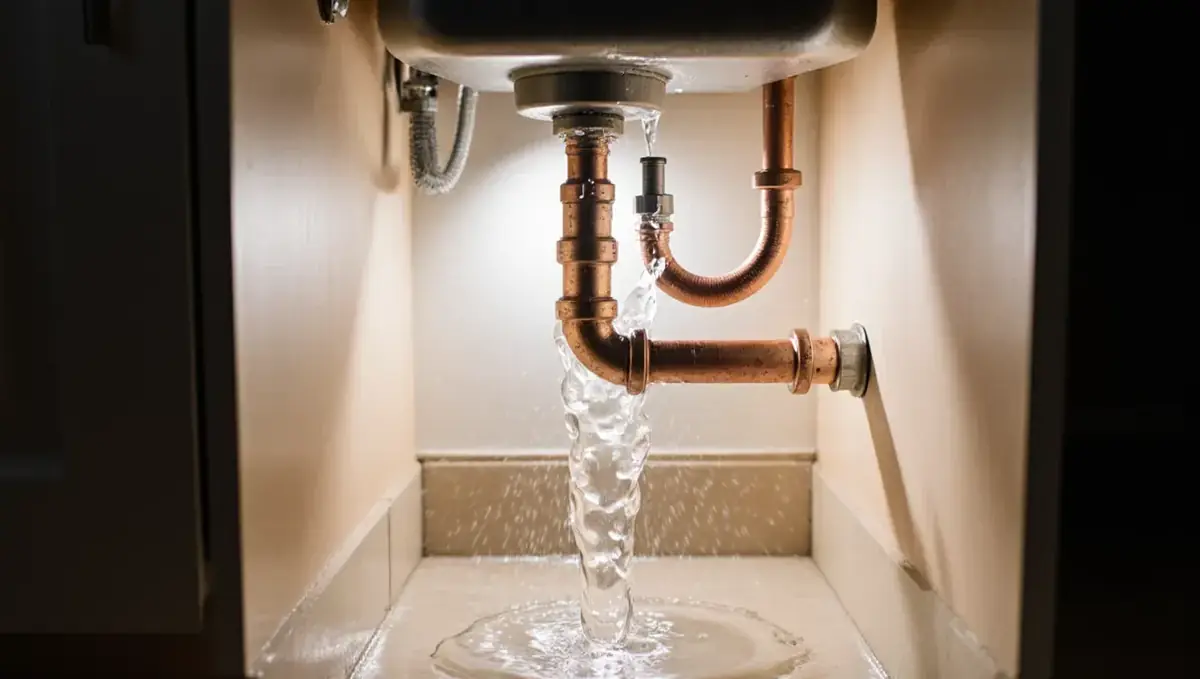
Newer Homes Still Leak: The Usual Culprits
A newer house is not immune to water damage in Pflugerville. Many calls involve the same handful of sources:
- Supply lines and fittings under sinks, behind toilets and at the refrigerator ice maker.
- Water heaters in garages or attics, where a slow leak can soak drywall and ceilings below.
- Washing machine hoses that burst while no one is home.
- AC condensate lines that clog during long, humid summers and drip into ceilings or closets.
- Sewer backups from blockages in the line, which the City addresses on its sewer backups and blockages page.
- Frozen pipes, as pipes burst across Texas during the February 2021 freeze.
Most of these show up as stained ceilings, soft baseboards, warped laminate or a musty smell before anyone sees standing water. Acting at the first sign keeps a small repair from becoming a full room tear-out.
Your First Half Hour After Finding Water
- Close the valve. Turn off the main water shutoff or the valve feeding the leaking fixture. Learn where your main is before you need it.
- Stay clear of wiring. Keep out of standing water near outlets and appliances, and only shut off breakers if you can do it from dry ground.
- Identify the water. Clean supply water is Category 1. Sewage and outdoor floodwater are Category 3 and can make people sick, so keep kids and pets away.
- Document. Photograph the source, the affected rooms and damaged belongings.
- Protect belongings. Move electronics, papers and rugs, and set furniture legs on blocks or foil.
- Call for professional help. Dial (888) 817-5061 and we will connect you with a local company offering water extraction.
What a Water Damage Restoration Crew Does on Site
Water damage restoration in Pflugerville follows a familiar pattern, adjusted to each home:
Inspection and moisture mapping
Technicians use moisture meters and thermal cameras to see how far water traveled under flooring and up walls. In a slab-on-grade house, water tends to spread across the floor and into adjoining rooms instead of draining away.
Extraction and tear-out
Standing water is pulled out, and saturated carpet pad, insulation and the bottom of drywall may be removed so hidden cavities can dry.
Drying and monitoring
Air movers and dehumidifiers run while readings are recorded each day until materials reach drying goals. See structural drying for more on this stage.
Repair
Finally comes water damage repair: drywall, texture, paint, trim, flooring and cabinets. Ask any company about its licensing, insurance and training (for example, IICRC certification) before signing.
Creek Flooding, Floodplain Maps and Permits After a Flood
The City of Pflugerville keeps a set of floodplain resources, including an interactive floodplain map, guidance on flood insurance and elevation certificates, and a post-flood information page for owners planning repairs. If your home sits near Gilleland or Wilbarger Creek or one of their tributaries, look up your property before storm season.
Central Texas storms can drop heavy rain quickly, and neighboring Round Rock notes that NOAA Atlas 14 data shows local flash floods produce more rain than older estimates assumed. When creek or street water enters a building, flood cleanup should treat it as contaminated: wet porous materials are removed and surfaces cleaned and sanitized before drying.
Before rebuilding after a flood, check with the City about any permits required. For storm-related roof or window damage, start with storm damage cleanup to keep more rain out.
Mold After a Leak: Texas Rules Worth Knowing
EPA guidance notes mold can begin growing on damp materials within 24 to 48 hours, so drying should begin promptly. Hidden moisture behind cabinets or under vinyl plank flooring is a common source of mold that shows up weeks later.
Texas licenses mold professionals through TDLR. For mold covering 25 contiguous square feet or more, a license is generally required, and a single company may not both assess and remediate on the same job. Once remediation is finished, a Certificate of Mold Remediation must be issued within 10 days, and sellers must give buyers copies of these certificates. For mold removal in Pflugerville, ask for both license numbers and check them on the TDLR License Search. Our mold removal page explains containment and cleanup.
Claims, Records and Business Properties
- Flood is not standard coverage. Homeowners policies generally exclude flood; NFIP and private flood policies cover it, and NFIP coverage usually has a 30-day wait.
- Sudden events matter. According to the Texas Attorney General, most Texas homeowner policies cover only sudden and accidental leaks and may exclude or cap mold.
- Build a paper trail. Keep photos, the plumber's invoice, moisture readings and drying logs.
Pflugerville's offices, retail centers and apartment communities face the same risks on a larger scale. Property managers facing a sprinkler leak or flooded suite can call (888) 817-5061 to be connected with a local provider. WaterQ cannot tell you how an insurer will decide, but thorough records make the process smoother.
Pflugerville Areas and Surrounding Communities
WaterQ's free referral line connects callers in Pflugerville and nearby Travis and Williamson County communities with independent local restoration companies.
Neighborhoods
- Old Town (Wuthrich Addition)
- Colored Addition
- Windemere
- Lake Pflugerville area
- Wells Branch
Nearby communities
- Round Rock
- Hutto
- Manor
- Coupland
- Austin
- Wells Branch
- Georgetown
Pflugerville Water Damage FAQ
How can I tell if my Pflugerville property is in a floodplain?
Use the City of Pflugerville's interactive floodplain map, and review the City's flood insurance and elevation certificate pages. Remember that flooding can also happen outside mapped zones during intense storms.
What should I do about a sewer backup in my home?
Stop using water in the house, keep people and pets away from the affected area and treat it as contaminated Category 3 water. Report the problem using the City's sewer backup guidance, then have a restoration company clean, sanitize and dry the area.
My house is only a few years old. Why do I have water damage?
Supply lines, water heaters, washer hoses and AC condensate lines can fail in any home. A slow leak hidden inside a wall or under flooring can also stay wet for a long time without drying on its own.
Does Texas require a license to remove mold?
Generally yes when the mold covers 25 contiguous square feet or more. TDLR licenses mold assessors and remediators, and the same company cannot do both jobs on one project.
Who actually comes to my Pflugerville home?
An independent local restoration company. WaterQ is a free referral service available 24/7; we connect you with a provider, and that company does the inspection and the work.
Local emergency and flood resources
Official sources for alerts, flood maps and preparedness in and around Pflugerville: