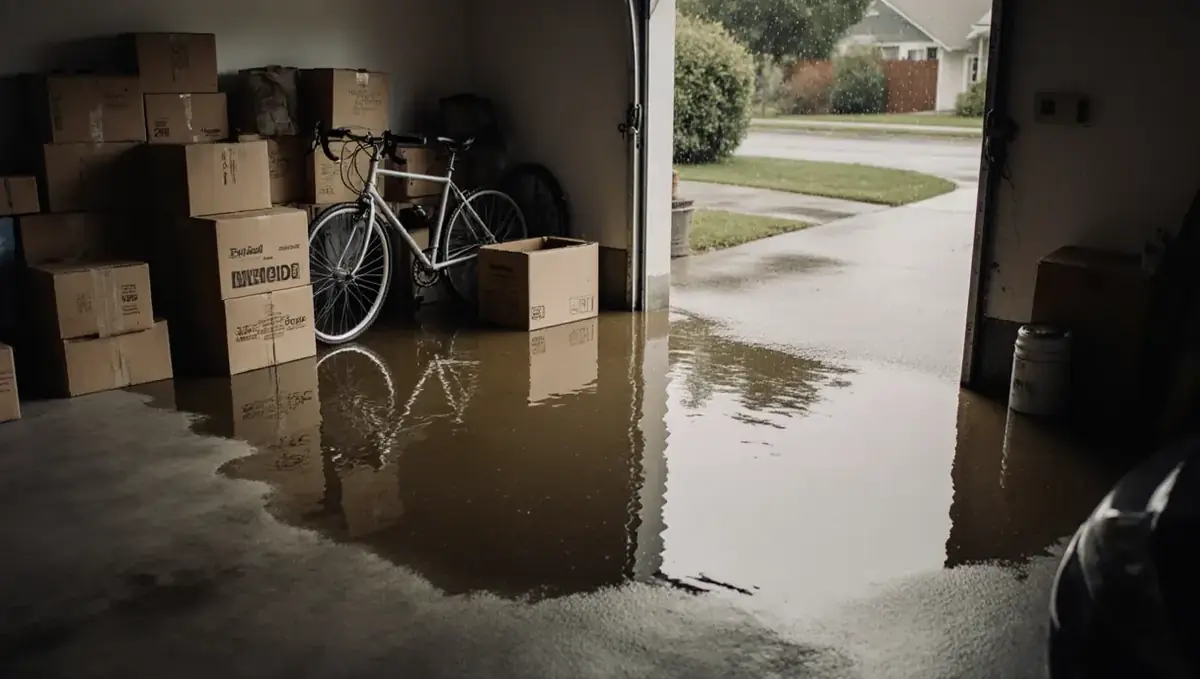
Springs, Rivers and the Balcones Fault
New Braunfels grew up around water. Artesian Comal Springs bubble up in Landa Park and form the Comal River, one of the shortest rivers anywhere, which winds about three miles through town before joining the Guadalupe River. The city sits on the Balcones Fault, where the Hill Country drops to rolling prairie, and that edge is part of the Central Texas corridor known for some of the most intense flash flooding in North America.
Average rainfall is about 35.74 inches a year, with May, June and October usually the wettest months. Rain falling on the thin soils of the hills runs off quickly into creeks and the Guadalupe, so river levels can change fast.
Most calls to a restoration company, though, start indoors: a cracked supply line under a sink, a leaking water heater or a toilet overflow. Water that moves into walls and under floors needs prompt water extraction and careful drying.
Canyon Dam, 1998 and 2002: River Flooding Lessons
Canyon Lake, roughly 16 miles upstream on the Guadalupe, exists in large part for flood control. The upper river can carry 40,000 to 50,000 cubic feet per second, while the channel downstream holds far less, so the dam protects about 250 square miles below it.
Even so, the region has seen major floods:
- October 1998. Record flooding across South Central Texas caused about $750 million in property losses. The National Weather Service mapped inundation along the Comal River in New Braunfels as part of its review.
- Summer 2002. Between June 30 and July 7, about 35 inches of rain fell in the area, including more than 24 inches near Bulverde. Canyon Dam's spillway was overtopped by more than seven feet, flow reached about 70,000 cubic feet per second, and the rushing water carved what is now the Canyon Lake Gorge. Water kept flowing over the spillway for six weeks.
River water that enters a home or business is treated as contaminated. Flood cleanup in New Braunfels typically means removing soaked drywall and flooring, cleaning and disinfecting, and then drying the structure fully.
Steps to Take Right Away
- Put safety first. If the Guadalupe or Comal is rising, follow instructions from Comal County and never drive into water over a road.
- Close the valve. For a plumbing leak, shut off the fixture or the main supply.
- Watch the wiring. Stay out of standing water near outlets and appliances, and switch off breakers only if you can reach them while dry.
- Identify the water. A clean supply line (Category 1) is very different from river water or a sewage backup (Category 3).
- Document before cleanup. Photograph every room, the high-water line and damaged contents.
- Bring in help. Call (888) 817-5061 to be connected with a local restoration company, any time of day or night.
From Fachwerk to New Builds: Drying the Structure
New Braunfels was founded in 1845 by German settlers, and the Gruene Historic District still has early Fachwerk, or German timber-frame, construction. Downtown has its own historic buildings, while much of the city is newer. Each type of building calls for a slightly different drying plan.
Assessment
A technician finds the source, classifies the water and uses moisture meters and thermal imaging to see how far it spread.
Extraction and removal
Standing water is pulled out of flooring and carpet. Wet pad, insulation and drywall that cannot be saved are removed, especially after river water.
Drying and dehumidification
Air movers and dehumidifiers run until readings reach dry targets. Heavy timber, plaster and limestone hold moisture longer than modern drywall, so structural drying in older buildings often takes extra monitoring.
Rebuild
Once dry, water damage repair restores walls, floors and cabinets. Before hiring, ask about licensing, insurance and training such as IICRC certification.
Thunderstorms, Roof Leaks and Frozen Lines
Strong storms in spring and fall can pull shingles loose, drop limbs on roofs and push rain under flashing. A wet attic can go unnoticed until a ceiling sags. Fast tarping and drying are the heart of storm damage cleanup.
Freezes are less frequent, but the February 2021 statewide event showed how much damage they can do, with pipes bursting all over Texas. Insulate exposed lines, cover outdoor faucets and keep the main shutoff clear so you can reach it fast if a line splits.
Mold Prevention and TDLR Licensing
Wet materials can grow mold within 24 to 48 hours, according to EPA guidance. Near the rivers, and during humid summers, getting materials dry quickly is the best prevention.
For larger problems, Texas law steps in. TDLR issues licenses for mold assessment and mold remediation, covering technicians, consultants, contractors and companies. Generally, a license is required once the mold reaches 25 contiguous square feet or more. The firm that assesses the mold may not be the same firm that removes it on that project, and a Certificate of Mold Remediation must follow within 10 days after the remediation is done. Sellers must give buyers copies of these certificates.
Verify credentials with the TDLR License Search, and see our mold removal page for how containment and cleanup work.
Insurance and Records for Comal County Properties
- Flood is excluded from most homeowners policies. NFIP or private flood insurance covers rising water, and an NFIP policy usually takes 30 days to begin.
- Sudden leaks are treated differently. As the Texas Attorney General points out, many Texas homeowner policies cover sudden and accidental leaks but may exclude or cap mold work.
- Track river conditions. The Guadalupe-Blanco River Authority lists flood resources, and USGS WaterAlert can send a text or email when a gauge passes a threshold.
- Keep everything. Photos, invoices, moisture logs and a list of discarded items help an adjuster understand the loss.
No one can predict exactly how a claim will be settled, but complete documentation helps the process along.
Rental Homes, River Businesses and Commercial Space
River recreation is a big part of life here, and many businesses operate close to the water. Restaurants, shops, offices and rental homes all benefit from a quick response and clear moisture documentation after a leak or flood.
Owners and managers can call (888) 817-5061 around the clock. Nearby, we also connect callers in San Marcos and San Antonio.
New Braunfels Areas and Nearby Towns
WaterQ's free referral line connects callers across New Braunfels and surrounding Comal and Guadalupe County communities with independent local restoration providers.
Neighborhoods
- Downtown New Braunfels
- Gruene Historic District
- Landa Park area
- Comal River corridor
- Faust Street bridge area
Nearby communities
- Canyon Lake
- Spring Branch
- Bulverde
- Schertz
- Selma
- Fair Oaks Ranch
- Seguin
- McQueeney
- Lake Dunlap
- Cibolo
- Marion
New Braunfels Water Damage FAQ
Does Canyon Dam mean New Braunfels can't flood?
No. Canyon Dam greatly reduces flood risk downstream, but in July 2002 its spillway was overtopped by more than seven feet. Local creeks and the Comal River can also flood from heavy rain closer to town.
How can I get alerts when the Guadalupe or Comal River is rising?
Comal County posts alerts on its Alert Center, and USGS WaterAlert can notify you by email or text when a river gauge passes a level you choose. The Guadalupe-Blanco River Authority also lists flood resources.
Can a historic timber-frame or limestone building be dried without tearing it apart?
Often, yes. Heavy timber and masonry hold moisture longer, so drying takes patience and careful monitoring. Moisture readings help the restoration company decide what can stay and what must be removed.
When is a licensed mold remediator required in Texas?
TDLR licensing is generally required for mold covering 25 contiguous square feet or more. The assessor and the remediator on the same project must be different, and a Certificate of Mold Remediation should be issued afterward.
Is WaterQ a restoration company?
No. WaterQ is a free referral service available 24/7. We connect you with an independent local restoration company that handles the inspection, the work and the paperwork with you.
Local emergency and flood resources
Official sources for alerts, flood maps and preparedness in and around New Braunfels: