Hills, Creeks and the Colorado River
Austin spreads across the foot of the Balcones Escarpment, with elevations from about 425 feet near the Colorado River to roughly 1,000 feet in the western hills. The river is held back in a chain of reservoirs, including Lake Travis, Lake Austin and Lady Bird Lake, while creeks such as Barton, Shoal, Waller and Onion wind through neighborhoods on their way to it.
The City of Austin points out that the city lies in Flash Flood Alley. Steep slopes and shallow soils send storm runoff into creeks fast, and low water crossings can go under in minutes. Statewide, about 75 percent of flood-related deaths happen in vehicles, often at night when drivers cannot see that a road is submerged.
Austin averages about 34.32 inches of rain a year, spread fairly evenly, with spring and fall the wettest. Not every problem comes from the sky, of course. Washing machine hoses, water heaters and slab leaks keep restoration companies busy year-round. Call (888) 817-5061 to be connected with local help for water damage restoration.
Onion Creek, Lake Travis and Recent Austin Floods
Recent history shows how varied Austin's flood risks are:
- Halloween 2013. Nine to ten inches of rain fell over the Onion Creek watershed in about four hours. The creek crested at 40.15 feet, a level not seen since 1921, with flow topping 120,000 cubic feet per second. Five people died and more than 500 homes were damaged. The city later bought hundreds of flood-prone properties, and that land became part of Onion Creek Metropolitan Park.
- Memorial Day 2015. Historic flooding swept Central Texas, and in Austin, Shoal Creek inundated House Park.
- October 2018. Rain linked to Hurricane Sergio filled Lake Travis to 146 percent at 704.3 feet, and four floodgates were opened at Mansfield Dam. The city issued a mandatory citywide boil-water advisory.
Creek or river water inside a home is contaminated (Category 3) and calls for professional flood cleanup in Austin: removal of soaked materials, cleaning, disinfection and thorough drying.
Ice, Snow and Burst Pipes
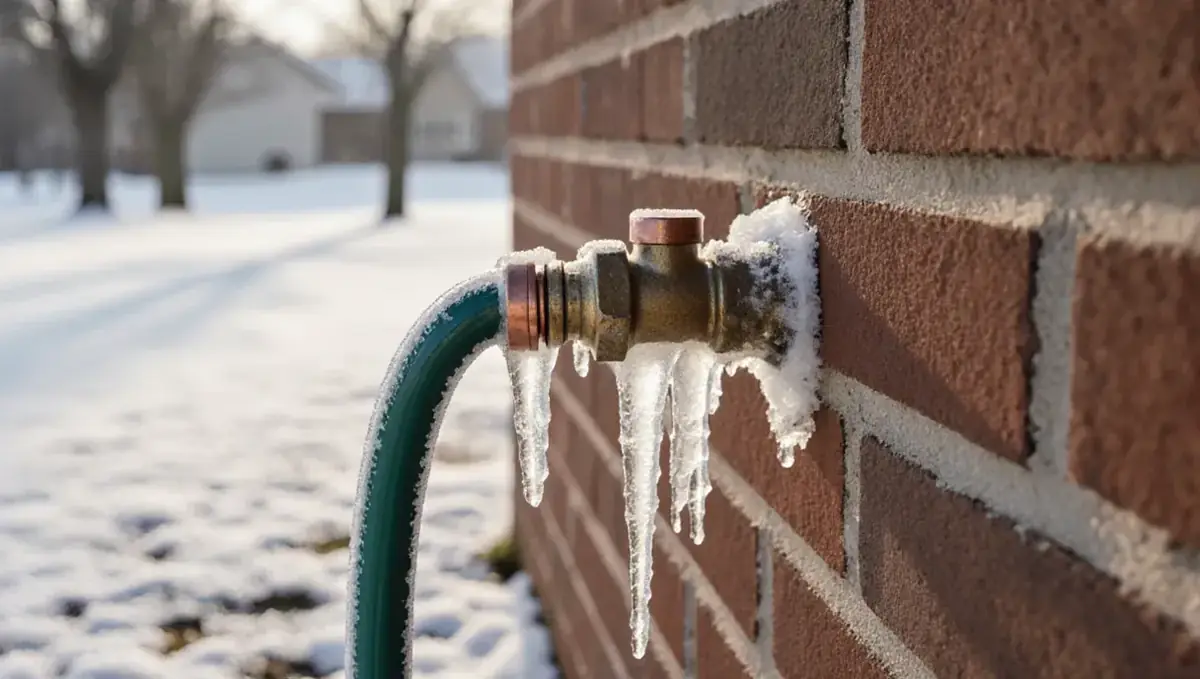
Austin's winters are usually mild, which is exactly why hard freezes do so much damage. In February 2021 the city recorded 6.4 inches of snow on February 14 and 15, and Central Texas, Austin included, endured six to nine straight days below freezing, the longest freezing streak in state records. Pipes burst across Texas. Then on January 30, 2023, an ice storm left 170,000 Austin Energy customers without power.
Frozen pipes often leak only once they thaw, sometimes inside a wall or attic. To reduce the risk:
- Wrap exposed pipes in attics, garages and crawl spaces, and cover outdoor faucets.
- Open sink cabinets on exterior walls and let faucets drip during hard freezes.
- Know where your main shutoff and your irrigation backflow valve are.
- If power goes out for days, watch closely for leaks as temperatures rise.
Steps to Take Before the Crew Arrives
- Stay off flooded roads. Turn around at water over a crossing, even if it looks shallow.
- Shut the water off. Close the main or fixture valve. After a freeze, close it before the thaw if you suspect a split pipe.
- Keep electricity in mind. Avoid standing water near outlets and appliances, and use the breaker only if you can reach it while dry.
- Know the water category. Clean supply water is Category 1; creek water and sewage are Category 3 and need protective gear.
- Photograph the damage. Shoot the source, affected rooms and belongings before anything is moved.
- Call for help. Reach (888) 817-5061 to be connected with an Austin-area provider for water extraction.
How Austin Properties Get Dried and Rebuilt
Austin's housing ranges from historic central neighborhoods like Clarksville, the oldest surviving freedomtown west of the Mississippi, and Hyde Park to suburban subdivisions in every direction. The approach depends on the building, but most jobs follow the same arc.
Assess and contain
Technicians locate the source, set up containment where needed and map moisture with meters and thermal imaging.
Extract
Standing water is removed from carpet, pad, tile and wood. Water that has sat for days or come from a creek often means removing drywall and insulation.
Dry and verify
Air movers and dehumidifiers run on a measured plan, with readings logged on each visit. Learn more about structural drying.
Restore
Once materials are dry, water damage repair in Austin replaces drywall, floors and cabinetry. Ask any company about licensing, insurance and training, such as IICRC certification.
Microbursts, Hail and Roof Openings
Severe storms in spring and early summer can bring damaging winds and hail that crack shingles, break skylights and drop trees on roofs. Water that gets through an opening can soak insulation and travel along framing before it ever shows on a ceiling. Quick tarping, then drying of attic and walls, is the core of storm damage cleanup. Take photos of roof and exterior damage from a safe spot before temporary repairs.
Mold Licensing Under Texas Law
EPA guidance says mold can begin to grow within 24 to 48 hours on wet building materials. After a flood or a long power outage, drying should start as soon as it is safe.
Texas sets licensing rules for this work. TDLR licenses mold assessment and remediation at several levels, from technicians and consultants up to contractors and companies. For mold of 25 contiguous square feet or more a license is generally required, and the same person or company may not perform both the assessment and the remediation on one project. A Certificate of Mold Remediation is due within 10 days of finishing the job, and sellers must provide copies to buyers.
Search licenses on the TDLR License Search, and see mold removal for how professional containment works.
Claims, Coverage and Commercial Property
- Flood requires separate coverage. Standard homeowners policies generally exclude flood. NFIP or private flood insurance fills the gap, and NFIP policies usually take 30 days to start.
- Leaks and mold have limits. Per the Texas Attorney General, coverage in most Texas homeowner policies is limited to sudden, accidental leaks, and mold cleanup may be capped or left out entirely.
- Check conditions. ATXfloods shows real-time road closures, and Ready Central Texas has preparedness tools.
- Keep good records. Save photos, invoices and drying logs.
Offices, retail spaces, apartment communities and HOAs can call (888) 817-5061 too. WaterQ also connects callers in Round Rock and San Marcos.
Austin Neighborhoods and Central Texas Communities
The free WaterQ line connects callers throughout Austin and nearby Travis and Williamson County communities with independent local restoration providers.
Neighborhoods
- Downtown Austin
- Clarksville
- Hyde Park
- Bryker Woods
- Hancock
- Judges' Hill
- North University
- Old West Austin
- Pemberton Heights
- Rosedale
- Shoal Crest
- Allandale
- Brentwood
- Crestview
- North Burnet
- North Shoal Creek
- Wooten
- Northwest Hills
Nearby communities
- Round Rock
- Pflugerville
- Cedar Park
- Leander
- Manor
- Mustang Ridge
- Elgin
- Buda
- Manchaca
- Oak Hill
- Georgetown
Austin Water Damage FAQ
Why are low water crossings so dangerous in Austin?
Austin is in Flash Flood Alley, where creeks rise very quickly. About 75 percent of flood-related deaths in Texas happen in vehicles, often because drivers cannot see that the road is submerged or damaged. Turn around instead of crossing.
A pipe burst during a freeze and the power is still out. What should I do?
Shut off the main water valve, stay away from wet outlets and appliances, and photograph the damage. Move valuables out of the wet area and call for professional extraction and drying as soon as you can.
Where can I check flooded roads in Austin?
ATXfloods shows real-time road closures and flood conditions in the Austin area. The City of Austin flood safety page and Ready Central Texas also offer preparedness information.
Who can remove mold from my Austin home?
For mold covering 25 contiguous square feet or more, Texas generally requires a TDLR-licensed remediator, and a separate licensed assessor must do the assessment. Ask for the Certificate of Mold Remediation when the work is done.
Does WaterQ perform the cleanup?
No. WaterQ is a free 24/7 referral service. We connect you with an independent local restoration company, and that company handles the inspection and the work.
Local emergency and flood resources
Official sources for alerts, flood maps and preparedness in and around Austin: