New Construction, Real Water Risks
Frisco has grown faster than almost any city in the country. It had about 33,700 residents in 2000 and more than 200,000 by 2020, so most of its houses, offices and venues are less than 25 years old. It is easy to assume a newer home is safe from water damage, but the most common causes here have little to do with age.
Plastic supply lines to refrigerators and sinks, washing machine hoses, water heaters in attics or garages, and air conditioning condensate lines can fail in a home of any age. Add a climate with roughly 39 inches of rain a year, spring hail and the occasional deep freeze, and every Frisco household has reason to know where its main shutoff valve is.
Only about half a square mile of the city is water, and Lewisville Lake lies just to the west. Most local losses come from storms and plumbing rather than lakes or rivers, which shapes how restoration in Frisco usually unfolds.
Frisco's Storm Season: Hail, Downbursts and Tornado Warnings
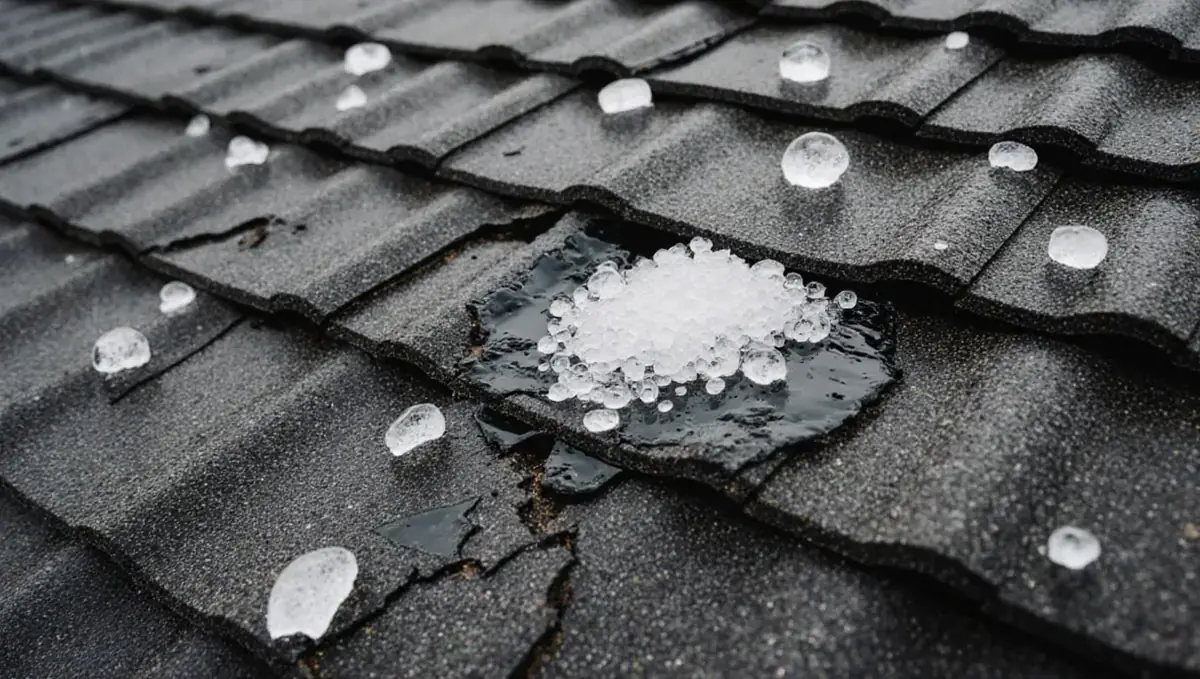
Frisco sits in Tornado Alley, and the City's own severe weather guidance warns that hail dime size or larger can damage roofs and break windows. The largest hailstone ever recorded in the Dallas-Fort Worth region, 5.9 inches across, fell in nearby Sanger on June 15, 2023.
Wind is just as important. Downbursts and straight-line winds can top 120 mph and cause damage that looks like a tornado's, peeling back shingles and lifting roof decking. The city's most recent confirmed tornado was a weak EF-0 in 2024 near the UNT Frisco campus.
After a storm passes, walk the outside of the house and look for missing shingles, dented gutters and broken windows, then check the attic and upstairs ceilings. If rain is already getting in, storm damage cleanup typically starts with tarping, followed by extraction and drying.
Two-Story Homes and Water That Travels Down
In a two-story house, laundry rooms, bathrooms and HVAC equipment are often upstairs or in the attic. When something leaks on the second floor, water follows gravity through the subfloor, into the ceiling below, and down the inside of walls. The first sign is often a stain or a sagging spot on a downstairs ceiling.
- Turn off the water and, if a ceiling is bulging, keep people out of the room below it.
- Do not poke a sagging ceiling unless a professional tells you to; it can drop suddenly.
- Turn off electrical circuits feeding wet ceiling fixtures if you can reach the panel safely.
- Photograph both floors before anything is moved.
A restoration crew can trace the path with moisture meters and thermal imaging so hidden wet framing is not sealed back up. Call (888) 817-5061 and we will connect you with local providers who handle this kind of multi-level drying.
Freeze Damage in Attics and Garages
Cold snaps are rare, but February 2021 proved how hard they can hit. DFW reached -2 F on February 16 and stayed at or below freezing for 139 consecutive hours. Homes that seldom see freezing weather often have water lines running through attics, garages and exterior walls, which are the first places to freeze.
Before a hard freeze, insulate exposed pipes, disconnect garden hoses, cover outdoor faucets and let indoor faucets drip. If a pipe bursts anyway, close the main valve right away. Then arrange emergency water removal so the water does not have hours to soak into drywall, cabinets and flooring.
From Extraction to Rebuild: How Frisco Jobs Progress
Inspection
The technician finds the source, maps wet areas with meters and decides whether the water is clean, gray or contaminated. Storm water that enters through a roof is usually treated differently than water pouring from a clean supply line.
Water removal and controlled demolition
Standing water is extracted and saturated carpet pad, insulation and the lower portions of wet drywall may be removed so the structure can dry evenly.
Drying
Dehumidifiers and air movers run while readings are taken daily. You can read more on our structural drying page.
Repairs
When everything is dry, crews replace drywall, paint, flooring and trim. It is reasonable to ask a Frisco contractor what licenses, insurance and training (IICRC certification, for instance) it holds before work starts.
Venues, Offices and Shopping Centers
Frisco's commercial footprint includes The Star, Toyota Stadium, Stonebriar Centre, Hall Park and the businesses around Frisco Square. A roof drain that backs up, a broken sprinkler line or a failed water heater in a restaurant can disrupt events, close storefronts and damage inventory.
For business owners and facility managers, the priorities are safety, keeping open areas open, and thorough documentation. A good commercial plan sets up drying zones, protects electronics and records, and logs moisture readings for owners and insurers. If you manage a building, call (888) 817-5061 and share the square footage and number of affected suites so we can connect you with local providers sized for the job.
Mold After a Leak: Texas Rules in Plain Terms
New homes are tightly built, and that helps trap moisture after a leak. According to EPA guidance, mold can start growing within 24 to 48 hours, which is why mold cleanup in Frisco usually begins with getting the structure dry.
In Texas, mold professionals are licensed by the Texas Department of Licensing and Regulation. For mold of 25 contiguous square feet or more, licensing generally applies, and one company may not both assess and remediate the same project. Within 10 days after remediation, a Certificate of Mold Remediation must be issued, so keep it with your home records. Read more on our mold removal page.
Coverage Questions for Frisco Homeowners
Many Texas homeowner policies cover sudden, accidental leaks, but the Texas Attorney General cautions that mold remediation may be limited or excluded, and gradual leaks can be treated differently. Flood from rising water is generally not part of a standard homeowners policy and needs NFIP or private flood coverage, which normally carries a 30-day waiting period.
For hail and wind, file promptly and keep your photos, any roofer's notes and the restoration company's moisture logs together. WaterQ does not handle claims, but we can connect you with local professionals any time, day or night, at (888) 817-5061.
Frisco Districts and Neighboring Cities
Our free 24/7 referral line connects callers across Frisco, in both Collin and Denton counties, and in the surrounding North Texas communities.
Neighborhoods
- Frisco Square
- The Star
- Stonebriar
- Hall Park
Nearby communities
- Plano
- McKinney
- Little Elm
- Prosper
- The Colony
- Lewisville
- Allen
- Celina
Frisco Water Damage FAQ
My Frisco home is only a few years old. Why did it get water damage?
Most water damage in newer homes comes from appliance and supply-line failures, attic HVAC condensate problems, hail or wind damage to the roof, and pipes that freeze in attics or garages. Age of the house has little to do with those risks.
How do I get emergency alerts in Frisco?
The City of Frisco uses CodeRED for phone, text and email alerts and has outdoor warning sirens for imminent severe weather. You can sign up for CodeRED through the City's emergency management page.
Water is coming through my downstairs ceiling. What should I do?
Shut off the water, keep people out from under any sagging area, and turn off power to wet light fixtures if it is safe. Then call (888) 817-5061 to be connected with a local restoration company that can find the source and dry both floors.
Does Texas license mold remediation companies?
Yes. TDLR licenses mold assessors and remediators, and a license is generally required for mold of 25 contiguous square feet or more. The assessor and remediator on a project must be different companies.
Local emergency and flood resources
Official sources for alerts, flood maps and preparedness in and around Frisco: