Three Big Floods in Four Years
Harlingen sits in the middle of the Rio Grande Valley, about 30 miles inland from the Gulf, at roughly 39 feet above sea level. That distance keeps storm surge away, but it has not kept the water out. Since 2018 the city has dealt with three serious rain floods:
- June 2018. Rain fell in three separate rounds on June 19 and 20. Harlingen's co-op station logged 14.59 inches for the event, and a gauge just north of town measured 16.85 inches. Floodwater entered homes near Fair Park Blvd.
- June 2019. The National Weather Service called it the sequel. Harlingen recorded 6.29 inches, and the Harlingen and Primera area of western Cameron County was among the hardest hit. Across the region, 1,188 homes were destroyed or had major damage.
- October 1, 2021. Harlingen got 7.97 inches in one day, shattering a daily record of 1.43 inches from 1998. Flooding stretched along the I-69E corridor to Brownsville.
For many families, water damage in Harlingen is not a once-in-a-lifetime event. Planning for the next storm makes sense.
The Arroyo Colorado and Low Streets
The Arroyo Colorado, a freshwater river that feeds the Harlingen Channel, runs through the city. During the October 2021 storm its flows spiked quickly. Homes and businesses near the arroyo, along with low streets and drainage ditches, are often the first to see trouble.
Average rainfall is about 28.20 inches a year, and September is the wettest month at around 5.76 inches. That means most of the risk is packed into late summer and early fall, right at the height of hurricane season.
If you are unsure about your property, look up your address on the FEMA Flood Map Service Center. Keep in mind that many homes flooded in 2018 and 2019 because rain simply fell faster than drainage could carry it away, regardless of the mapped zone.
A Harlingen Checklist for the First Hour
- Get safe. Leave rooms where water is near outlets or appliances. Use the breaker only if the panel area is dry.
- Don't drive through flooded roads. Even shallow moving water can stall a car or sweep it away.
- Stop the leak if it is plumbing. Close the main water valve, which is often near the street meter or where the line enters the house.
- Judge the water. Supply-line water is generally clean (Category 1). Rain runoff that came in under doors, and anything from the arroyo or a ditch, should be treated as contaminated (Category 3).
- Record it. Shoot video room by room, including the waterline on walls and furniture.
- Protect what you can. Lift furniture, pull up loose rugs and move photos, documents and electronics to a dry room.
- Reach a pro. Call (888) 817-5061 to be connected with a company that offers water extraction and drying.
Inside the Drying Process
A good restoration job is measured, not guessed. Here is what to expect from a local provider handling water damage restoration in Harlingen:
Inspection and moisture mapping
The crew traces where water went using moisture meters and infrared cameras. Water often travels farther under baseboards and into cabinets than it looks.
Removal of water and wet materials
Extractors remove standing water. After flood-type water, saturated drywall, insulation and carpet pad are usually cut out and discarded so the structure can be cleaned.
Drying and monitoring
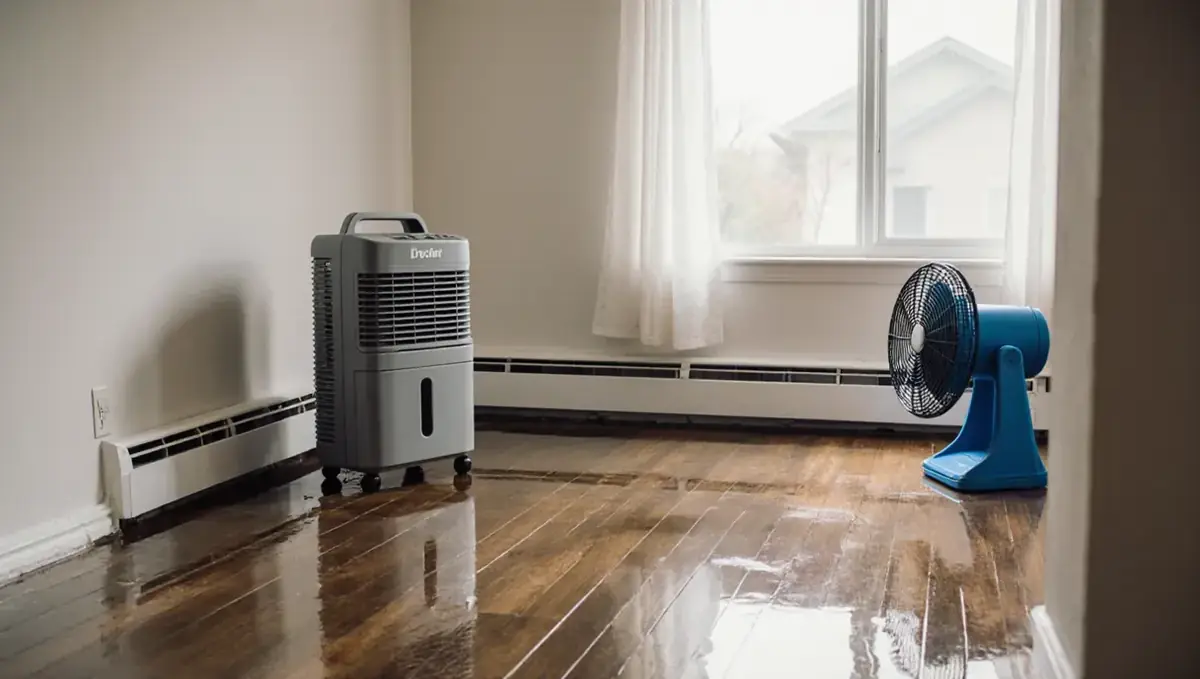
Dehumidifiers and air movers stay in place while readings are logged, usually for several days. You can read more on structural drying.
Putting the home back together
When the structure is dry, water damage repair restores walls, floors and trim. Ask any contractor about licensing, insurance coverage and technician training, for example IICRC credentials.
Hurricanes, Wind and the Rare Hard Freeze
Being inland doesn't put Harlingen out of reach of tropical systems. Hurricane Dolly made landfall on South Padre Island in July 2008 and spread 10 to 20 inches of rain across the Valley's delta region. Hurricane Beulah struck near the mouth of the Rio Grande in 1967 as a Category 3. Storms like these can lift shingles, break windows and let rain pour in, which is when storm damage cleanup and tarping come first.
Cold is the other surprise. In February 2021 the Rio Grande Valley had its first widespread killing freeze since December 1989, and the NWS noted water main and pipe bursts across the area. Many local homes have plumbing in attics or exterior walls that rarely sees freezing temperatures. When a hard freeze is in the forecast, drip faucets, open sink cabinets and know where your main shutoff is.
Texas Mold Rules for Harlingen Properties
Following EPA guidance, wet materials that are not dried within about 24 to 48 hours can start to grow mold. After a flood like those in 2018 and 2019, that window closes fast in South Texas humidity.
In Texas, mold assessment and remediation are licensed by TDLR. A license is generally required when the mold area is 25 contiguous square feet or more, and the company that assesses a job cannot also be the one that remediates it. Once remediation is finished, a Certificate of Mold Remediation must be issued within 10 days. Sellers must provide copies of these certificates to buyers, so keep yours.
Our mold removal page explains containment and cleanup in more detail.
Insurance Tips After a Harlingen Flood
Most homeowners policies treat flood and plumbing leaks very differently. Flood from rising or overland water is generally excluded and is covered by NFIP or private flood insurance, which usually has a 30-day waiting period for new NFIP policies. According to the Texas Attorney General, most Texas homeowner policies cover only sudden and accidental leaks and may exclude or limit mold.
- Call your insurer as soon as you can and get a claim number.
- Keep the restoration company's moisture logs, photos and invoices.
- Make a written list of damaged items with approximate age and value.
Landlords, churches, offices and stores in Harlingen can use the same line for flood damage restoration on commercial space. Call (888) 817-5061 any time, day or night, to be connected with a local company.
Harlingen Areas and Surrounding Communities
WaterQ's free referral line connects callers across Harlingen and the surrounding mid-Valley towns with independent local restoration providers.
Neighborhoods
- Downtown Harlingen
- Treasure Hills
- Fair Park Blvd area
- Hugh Ramsey Nature Park area
- Valley International Airport area
- Arroyo Colorado corridor
Nearby communities
- San Benito
- Primera
- Combes
- La Feria
- Rio Hondo
- Palm Valley
- Los Indios
- Santa Rosa
- Brownsville
- Raymondville
Harlingen Water Damage FAQ
Has Harlingen flooded more than once in recent years?
Yes. The National Weather Service documented major rain floods affecting Harlingen in June 2018, June 2019 and October 2021. In the 2021 storm, Harlingen recorded 7.97 inches in a single day.
My home isn't in a mapped flood zone. Can it still flood?
It can. Much of the Harlingen flooding in recent years came from rain falling faster than drainage could handle, which can affect homes outside mapped zones. Check the FEMA flood map for your address and consider flood insurance either way.
What should I do if pipes burst during a rare Valley freeze?
Shut off the main water valve right away, turn off electricity to wet areas if you can do so safely, photograph the damage and call for help. Burst-pipe water is usually clean at first, but it still needs fast drying to prevent mold.
Can the same company test for mold and then remove it in Texas?
No. Texas rules say the same person or company may not do both the mold assessment and the remediation on the same project. Licensing through TDLR is generally required for mold areas of 25 contiguous square feet or more.
Does WaterQ do the cleanup itself?
No. WaterQ is a free referral service that connects you with an independent, local restoration company in the Harlingen area. That company handles the inspection, estimate and work.
Local emergency and flood resources
Official sources for alerts, flood maps and preparedness in and around Harlingen: