From cleanup to a livable home again
Flood damage restoration is the longer-term work that brings a flooded home back. It picks up after the emergency flood cleanup phase, when water, mud and ruined materials have been removed, and carries through to drying the structure, confirming it is clean and dry, rebuilding, and documenting everything for insurance.
It can be a long process. Floods often affect many rooms at once, wet the structure from the bottom up and leave contamination behind, so restoration usually takes more time than a typical indoor leak.
What makes flood losses different
- Contamination. Outside floodwater is treated as Category 3 water, so porous materials are removed and surfaces are cleaned and disinfected before rebuilding.
- Scale. Water usually covers whole floors, reaching walls, cabinets, doors and mechanical systems at once.
- Hidden damage. Mud and moisture collect in wall cavities, under floors, in ductwork and in crawlspaces.
- Systems. Furnaces, water heaters, electrical panels and outlets that were underwater often need inspection or replacement by licensed trades.
- Insurance. Flood claims usually go through a separate flood policy with its own rules.
Why drying thoroughly matters before rebuilding
Rebuilding over damp framing is one of the most common and costly mistakes after a flood. EPA guidance notes that drying wet materials within 24 to 48 hours can help prevent mold growth, and after a flood many materials have already been wet longer than that. Proper drying, cleaning and verification help keep mold from becoming a second problem that needs mold remediation.
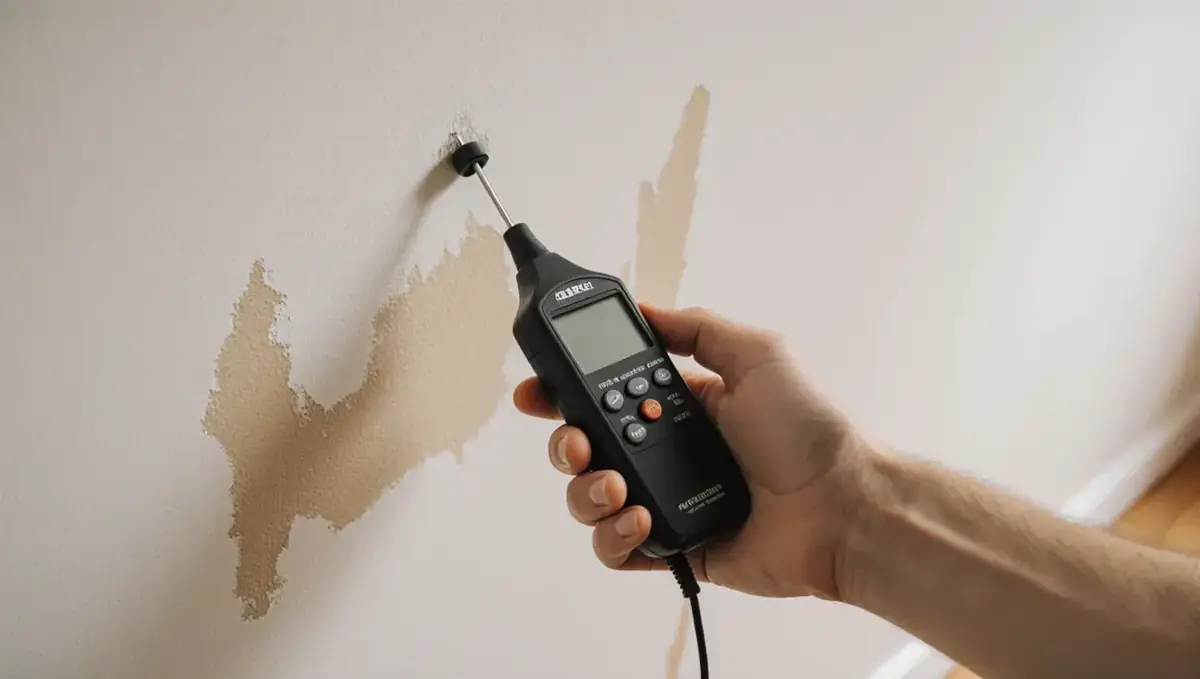
Professionals dry to a measured goal, comparing readings in affected framing with similar, unaffected materials. Rebuilding should wait until those readings match. Learn how this works on our structural drying page.
The restoration process after a flood
- Assessment and documentation. The crew maps moisture, photographs damage, notes the water line and records what was removed.
- Remaining tear-out. Any wet insulation, drywall, flooring or cabinets left after cleanup are removed.
- Cleaning and treatment. Framing, subfloors and surfaces are cleaned, and antimicrobial treatment may be applied.
- Structural drying. Dehumidifiers and air movers run until moisture readings reach the drying goal.
- Systems check. Licensed electricians, plumbers and HVAC technicians inspect and repair affected systems.
- Rebuild. Insulation, drywall, cabinets, flooring, doors, trim and paint are replaced. See water damage repair.
- Final verification. A final walkthrough confirms the work is complete and documentation is in order.
Flood insurance and the NFIP: what to know
Standard homeowners policies generally exclude damage from flooding. Flood coverage typically comes from a separate policy through the National Flood Insurance Program or a private flood insurer. A few general points:
- Waiting period. New NFIP policies typically have a 30-day waiting period before coverage starts, so a policy bought right before a storm usually will not cover that storm.
- Building and contents are separate. NFIP policies list building coverage and contents coverage separately. Check that you have both if you need both.
- Basements have limits. NFIP coverage for basements and items stored in them is limited. Review what your policy covers below the lowest elevated floor.
- Proof of loss. NFIP claims generally require a signed proof of loss within a set deadline, sometimes extended after major disasters. Confirm the deadline with your insurer.
- Rebuilding to code. If your home is substantially damaged, local floodplain rules may require elevation or other changes. NFIP policies include Increased Cost of Compliance coverage that may help with some of those costs.
Find official information at FloodSmart.gov, and look up your flood zone on the FEMA Flood Map Service Center.
Building back with the next flood in mind
Restoration is also a chance to reduce the damage a future flood could cause. Ideas worth discussing with your contractor and local building office include:
- Raising electrical outlets, switches and wiring above the expected water level
- Elevating or relocating the furnace, water heater, washer and dryer
- Using flood-resistant materials, such as tile or sealed concrete, in lower areas
- Installing a backflow valve to help keep sewage from backing up into the home
- Adding or upgrading a sump pump with a battery backup
- Improving yard grading and gutters to move water away from the foundation
Some of these upgrades may require permits, and local floodplain rules may already require certain changes after substantial damage.
Steps homeowners can take during restoration
- Report your claim promptly and write down your claim number and adjuster's contact information.
- Keep photos, video and a list of everything damaged or thrown away.
- Save receipts for cleanup supplies, temporary housing and equipment.
- Check with your local building department about permits before rebuilding.
- Ask whether flood-resistant materials, raised outlets or elevated equipment make sense when you rebuild.
Choosing a flood restoration contractor
- Are you licensed where required in this state and insured?
- Are your technicians trained in water damage and flood restoration, for example through IICRC certification?
- Can you handle both drying and rebuilding, and who are your subcontractors?
- How will you document drying progress for my flood insurer?
- Do you have experience with NFIP claims and local floodplain permitting?
Be wary of door-to-door contractors who appear right after a disaster asking for large deposits.
How calling WaterQ works
WaterQ is a free referral service and does not perform restoration work. Call (888) 817-5061 any time, day or night, and we will connect you with a trusted, local restoration company that can assess flood damage and explain its plan and estimate. To see where local providers are available, visit our service areas.
Find flood damage restoration help near you
WaterQ connects callers with local restoration companies in these states. Choose yours to find your city:
Frequently Asked Questions
How long does flood damage restoration take?
It varies widely. Drying alone usually takes days, and rebuilding can take weeks or longer depending on the extent of damage, permits, material availability and insurance approvals.
Does homeowners insurance cover flood damage?
Standard homeowners policies generally do not cover flooding from rising surface water. Flood coverage typically comes from a separate NFIP or private flood policy.
Is there a waiting period for flood insurance?
New NFIP policies typically have a 30-day waiting period before coverage takes effect, with some exceptions. Check with your agent or insurer for details.
Do I need to rebuild differently after a flood?
If your home is substantially damaged, local floodplain regulations may require changes such as elevation. Your local building or floodplain office can explain what applies to your property.
How do I find my flood zone?
You can look up FEMA flood maps for your address at the FEMA Flood Map Service Center at msc.fema.gov.