Hill Country Edges and the Headwaters of Brushy Creek
Cedar Park sits about 16 miles northwest of downtown Austin, mostly in Williamson County with a sliver in Travis County. At around 935 feet, it is higher than Round Rock or Pflugerville and lies in the hilly western half of the county, where limestone karst replaces the flat clay prairie found farther east. The town's original name came from Running Brushy spring, which formed the headwaters of Brushy Creek.
That setting matters for water damage in Cedar Park. Rain falling on thin soil and rock does not soak in for long. It sheds downhill toward streets, creeks and, sometimes, the uphill side of a house, a garage door or a walkout patio. Porous, honeycombed limestone does feed the Edwards Aquifer, but during intense storms the surface runoff can arrive faster than gutters and yard drains can handle.
May 27, 1997: Tornado and Hail in Downtown Cedar Park
Severe storms are part of Cedar Park's history. On May 27, 1997, during the Central Texas tornado outbreak, a strong F3 tornado tracked about 9 miles through the area, devastated the downtown district, destroyed 11 homes and killed one person. The largest hail of the entire outbreak, nearly 4 inches across, fell in Cedar Park with that storm.
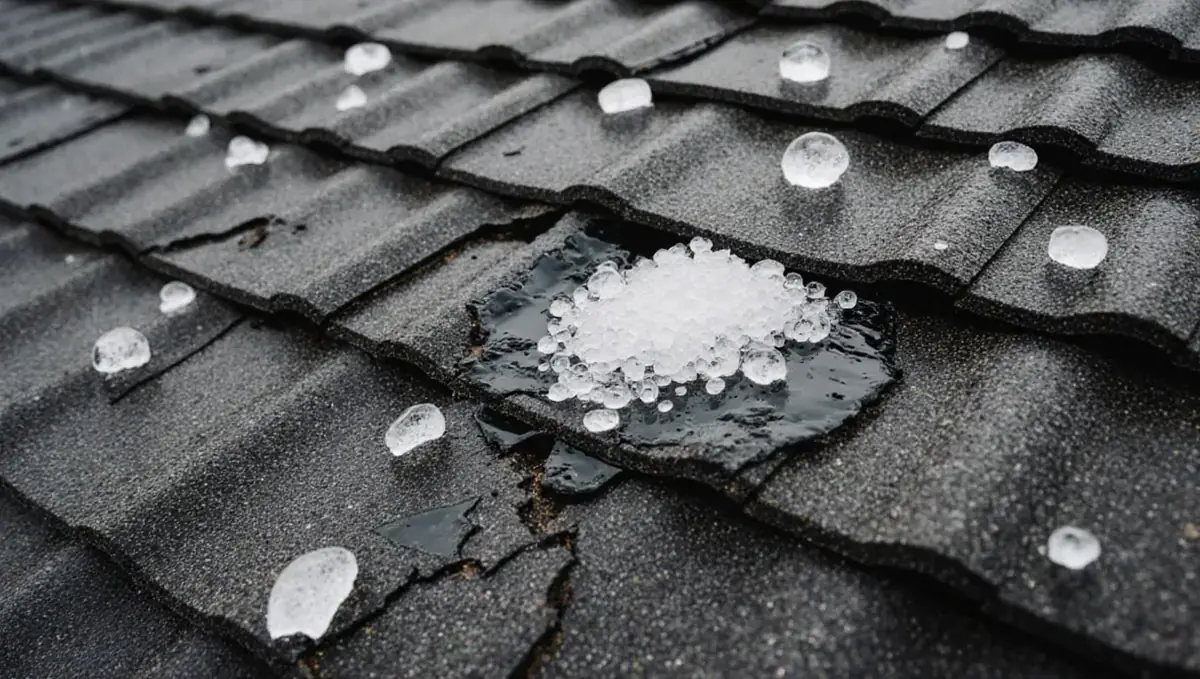
Most storms are far less dramatic, but spring and fall hail still damages shingles, vents, skylights and siding. The trouble is that hail damage often leaks later. A dented roof may hold through one storm and then let water into the attic during the next long rain, soaking insulation and staining ceilings.
If you see brown rings on the ceiling, peeling paint near the top of a wall, or damp attic insulation after a storm, have the roof and interior checked together. Storm damage cleanup usually starts with temporary tarping to stop more water from getting in.
Quick Actions That Limit the Damage
- Stop new water. Shut off the main or the fixture valve. For a roof leak, put buckets under drips and keep people out from under any sagging ceiling.
- Avoid shock hazards. Keep away from wet outlets, light fixtures and power strips; turn off breakers only if you can stand on dry ground.
- Judge the water. Clean plumbing water is Category 1. Runoff carrying soil and debris, or any sewage, is Category 3 and needs professional cleanup.
- Document it. Photograph roof damage from the ground, interior stains, standing water and damaged contents.
- Move what you can. Get electronics, documents and rugs out of the wet area.
- Get connected. Call (888) 817-5061 and we will connect you with a local company that handles emergency water removal and drying.
Inside a Professional Dry-Out
Water damage restoration in Cedar Park follows the same core science as anywhere, adapted to the house in front of the crew.
Assess and map
Moisture meters and infrared cameras locate wet framing, drywall and subfloor, including water that ran down inside walls from an attic leak.
Extract and remove
Standing water is extracted, and materials that cannot be dried, such as soaked ceiling drywall, insulation and carpet pad, are removed.
Dry and verify
Air movers and dehumidifiers run while readings are taken daily. Details are on our structural drying page.
Repair and restore
Once materials test dry, water damage repair covers ceilings, drywall, flooring and trim. Before you sign with a Cedar Park provider, ask about licensing, insurance and training (IICRC certification is one example) and get the scope in writing.
Flash Flooding on Sloped Lots
Central Texas rain can be extreme. Neighboring Round Rock points out that NOAA Atlas 14 data shows flash floods in the region drop more rain than older estimates assumed, and FEMA maps have not yet caught up. Homes near creeks, drainage channels or at the bottom of a slope should plan accordingly.
When outside water comes inside, flood cleanup is different from a plumbing leak. Mud and runoff are treated as contaminated, so flooring, lower drywall and insulation are often removed, and surfaces are cleaned and sanitized before drying. Never drive through water over a road, and sign up for WarnCentralTexas alerts to get local emergency warnings by text, phone or email.
Mold Cleanup in Cedar Park and Texas License Rules
Per EPA guidance, mold can start growing within 24 to 48 hours on materials that stay wet. Attic leaks are a frequent culprit because insulation hides moisture and no one looks up there until a stain appears.
For bigger problems, Texas law brings in licensed professionals. TDLR licenses mold assessors and remediators, and a license is generally required for 25 contiguous square feet of mold or more. The assessor and the remediator on a project must be separate parties. A Certificate of Mold Remediation must be issued within 10 days after the work is done, and sellers are required to give buyers copies. Look up license numbers on the TDLR License Search, and read about mold removal and containment before work begins.
Coverage Notes for Cedar Park Owners and Managers
- Storm versus flood. Wind and hail damage is usually handled under homeowners coverage, while rising water from outside generally needs a separate NFIP or private flood policy. NFIP policies typically take 30 days to start.
- Sudden leaks. The Texas Attorney General notes most Texas homeowner policies cover only sudden and accidental leaks and may exclude or cap mold.
- Records win claims. Keep dated photos, roofer and plumber reports, moisture readings and invoices.
Business owners and property managers with a roof leak over a storefront or a flooded office can also call (888) 817-5061 to reach a local commercial provider. WaterQ cannot promise any claim result, but organized documentation helps.
Cedar Park Areas and Neighboring Communities
WaterQ's free, 24/7 referral line connects callers in Cedar Park and nearby northwest Austin-area communities with independent local restoration providers.
Neighborhoods
- Downtown Cedar Park (US 183)
- Buttercup Creek area
- Cypress Creek Road corridor
- Brushy Creek area
Nearby communities
- Leander
- Round Rock
- Austin
- Liberty Hill
- Brushy Creek
- Jollyville
- Anderson Mill
- Georgetown
Cedar Park Water Damage FAQ
How do I know if hail damaged my Cedar Park roof?
Look from the ground for dented vents, gutters and flashing, and check ceilings and the attic for stains or damp insulation after the next rain. A roofer can confirm shingle damage, and a restoration company can dry any wet ceilings or insulation.
Can water flood my house if I am not near a creek?
Yes. On sloped lots, heavy rain can run off rock and pavement toward foundations, garages and doors. Grading, gutters and drains help, but intense Central Texas storms can still overwhelm them.
Is a roof leak a mold risk?
It can be. Wet attic insulation and ceiling drywall can grow mold within 24 to 48 hours if they stay damp. Have wet materials dried or removed quickly.
Who licenses mold remediation in Texas?
The Texas Department of Licensing and Regulation. A license is generally required for 25 contiguous square feet of mold or more, and the assessor and the remediator must be different parties on the same project.
Does WaterQ send workers to Cedar Park?
No. WaterQ is a free referral service available 24/7. We connect you with an independent local restoration company, which handles the inspection and the work.
Local emergency and flood resources
Official sources for alerts, flood maps and preparedness in and around Cedar Park: