Rain Falls Year-Round in Georgia
Georgia's humid subtropical climate means long, muggy summers, short mild winters and no true dry season. Average annual precipitation runs from about 45 inches in central and southeastern Georgia to more than 70 inches in the northeast mountains.
Tropical systems are the wild card. Storms that come ashore on the Gulf or the Atlantic can carry extreme rain and damaging wind deep inland, even into North Georgia. The Atlantic hurricane season runs June 1 through November 30 and usually peaks from mid-August through October.
In this humidity, wet framing and drywall can begin growing mold within 24 to 48 hours, so structural drying should start as soon as it's safe.
Where Georgia Water Damage Comes From
Three patterns cause most serious water losses here.
Creeks and rivers that rise fast
In September 2009, 10 to 20 inches of rain fell in less than 24 hours around Atlanta. Sweetwater Creek reached 500-year flood levels and 28 new river crest records were set. Urban creeks can turn into a flood cleanup job within hours.
Inland hurricane wind and rain
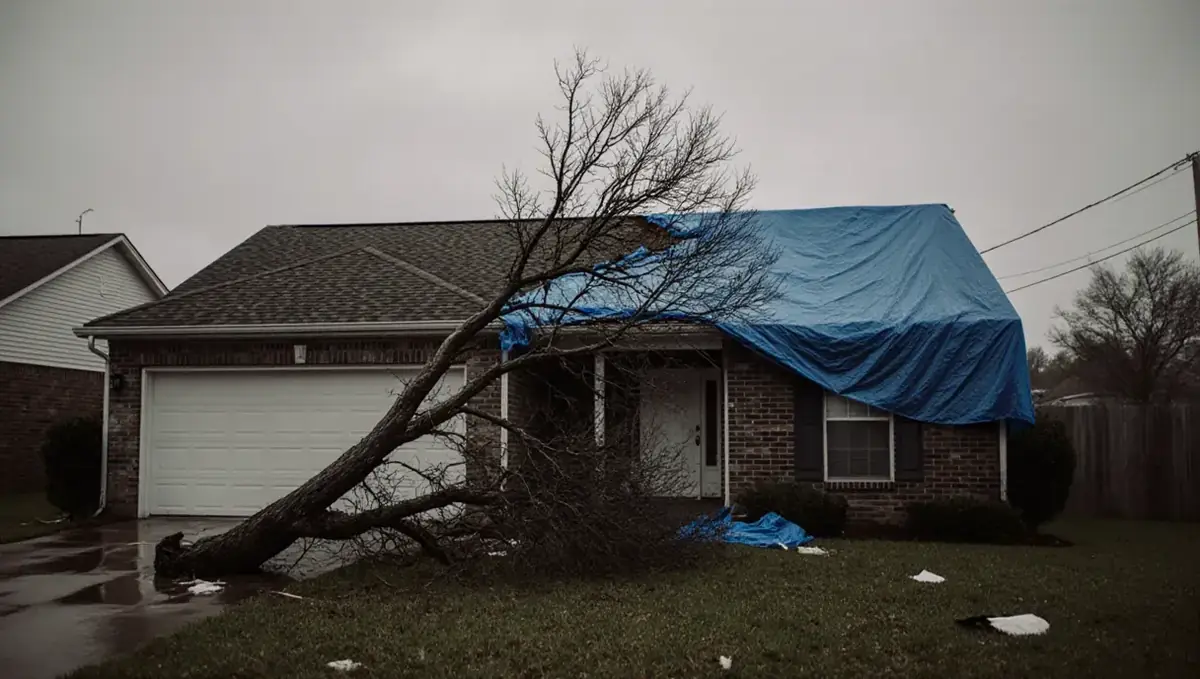
Hurricane Helene brought 6 to 14 inches of rain and 50 to 80 mph gusts to parts of Georgia in 2024, downing millions of trees. When a tree punctures a roof, rain pours into attics, ceilings and walls, which is why storm damage cleanup is so common after tropical systems.
Coastal surge and tidal flooding
Sea level has risen about 7 to 8 inches since 1900. Fort Pulaski near Savannah recorded a record 13 tidal flood days in 2019, and the low coast is exposed to hurricane surge.
Storms Georgians remember
These past events show how far from the coast serious water damage can reach in this state:
- Tropical Storm Alberto, July 1994: floods above the 100-year level along almost the entire Flint and Ocmulgee rivers.
- The Atlanta flood, September 2009: up to 21.03 inches of rain, about $500 million in damage and major damage to 16,981 homes in Georgia.
- Hurricane Michael, 2018: the first major hurricane to directly affect Georgia since the 1890s, with gusts to 115 mph in Donalsonville.
- Hurricane Helene, 2024: widespread tree damage, power outages and flooding across east and central Georgia.
A sobering lesson from 2009: of the 10 Georgia deaths in that flood, 8 happened when people drove across flooded roads. Never drive through water over a roadway.
Georgia's Regions and Their Flood Profiles
Metro Atlanta. Peachtree Creek, Sweetwater Creek and the Chattahoochee River can rise rapidly in places like Sandy Springs, Marietta, Alpharetta and Lawrenceville. Our Atlanta water damage page covers the city in more depth.
South Metro and Middle Georgia. Helene dropped 13.89 inches near McDonough, and Tropical Storm Alberto caused record floods along the Ocmulgee River through Macon in 1994. Griffin and Warner Robins share the same exposure to tropical remnants.
Coastal Georgia. Savannah, Brunswick and St. Marys face surge and more frequent high-tide flooding. See our Savannah page for local guidance.
Southwest Georgia. Albany has a history of Flint River flooding, and Columbus, Valdosta, Thomasville and Tifton have felt inland hurricane winds from Michael and Helene.
East and North Georgia. Augusta and Athens took heavy tree damage from Helene's winds. Rome, Dalton and Gainesville sit in the wettest part of the state, where steep terrain makes flash flooding of creeks a real risk.
Clean Water, Gray Water and Floodwater
Restoration pros sort water damage into three categories, using IICRC S500 terminology, and the category shapes the cleanup plan.
- Category 1 is clean water, such as a burst supply line or an overflowing sink.
- Category 2 is gray water with some contamination, such as a washing machine or dishwasher discharge.
- Category 3 is grossly contaminated water, including creek or river floodwater and sewage backups.
Floodwater from a rising creek in a Georgia neighborhood is treated as Category 3, which usually means removing soaked drywall, insulation and carpet rather than drying them in place. Even a clean-water leak can worsen if it sits, so call (888) 817-5061 early rather than waiting to see if things dry on their own.
Hiring Carefully: Licenses and Mold Work in Georgia
The State Licensing Board for Residential and General Contractors, part of the Georgia Secretary of State's office, licenses residential and general contractors. If your restoration includes rebuilding walls, floors or a roof, check the contractor's license by name or number at verify.sos.ga.gov before signing.
For mold removal, ask the company directly about its training and certifications, such as IICRC, and request written moisture readings before and after the work. A professional outfit should be able to show proof of insurance and explain its containment plan in plain terms.
Flood Coverage and Claim Tips for Georgia Homeowners
Standard homeowners policies exclude flood. Flood coverage comes from an NFIP or private flood policy, and a new NFIP policy generally takes 30 days to take effect. That matters even far from the coast; the 2009 flood damaged thousands of homes in metro Atlanta.
- After a storm, tarp roof openings quickly to limit further damage.
- Photograph every affected room, ceiling and roof area before cleanup begins.
- Keep receipts for emergency services such as tarping and water extraction.
One Call Connects You With Local Help
WaterQ doesn't send crews of its own. We're a free referral service: call (888) 817-5061 and we connect you with a trusted, local restoration company in your part of Georgia. That company inspects the damage and handles extraction, drying and water damage restoration with you directly.
Until help arrives, turn off the water main if plumbing is the cause, keep clear of wet electrical areas, and stay out of rooms with sagging ceilings. Help is available 24/7, so call any time, day or night. Browse more service areas anytime.
Frequently Asked Questions
Do I need flood insurance if I live in metro Atlanta?
It's worth considering. Standard homeowners policies exclude flood, and the September 2009 flood caused major damage to 16,981 homes in Georgia, many of them in the Atlanta region. A new NFIP policy generally takes 30 days to take effect.
A tree fell on my roof during a storm. What should I do first?
Get everyone out of the affected rooms, avoid wet electrical areas, and photograph the damage. Then have the roof opening tarped as soon as it's safe to limit rain getting inside, and keep receipts for that work.
How do I check a contractor's license in Georgia?
Use the Georgia Secretary of State's license verification site, verify.sos.ga.gov, to look up a residential or general contractor by name or license number.
What should I ask a mold remediation company in Georgia?
Ask about its training and certifications, such as IICRC, its insurance, and how it will contain the work area. Request written moisture readings before and after remediation.
Does WaterQ do the restoration work?
No. WaterQ is a free referral service that connects you with an independent, local restoration company. The phone line, (888) 817-5061, is available 24/7.