A Wet Winter, Dry Summer State
California follows a Mediterranean-type pattern: most precipitation falls from about October to April, and summers are mostly dry. Annual totals range from under 3 inches in Death Valley to over 100 inches near Eureka.
Because the rain is concentrated, a few big storms can deliver a large share of a season's water in days. Atmospheric rivers, long plumes of Pacific moisture, drive most of the state's major floods, and they often arrive back to back.
That timing matters for homeowners. Roofs, gutters and drainage that look fine after a long dry summer can fail in the first big storm of the season, so leaks often show up all at once when the rain returns.
The dry months bring their own problem: wildfire. When burned slopes lose their vegetation, the next heavy rain can send mud and debris downhill into neighborhoods.
California's Leading Causes of Water Damage
Atmospheric river flooding
Nine atmospheric rivers struck California between December 26, 2022 and January 17, 2023, causing widespread flooding, levee breaks and debris flows, 22 deaths and more than $3.5 billion in damage.
Post-wildfire debris flows
Below burn scars, water, soil and debris can rush downhill as mudflows. Homes in these areas face higher flood and debris-flow risk for several rainy seasons after a fire, and cleanup usually calls for flood cleanup and mud removal before any drying can begin.
Flash flooding in cities and dry washes
Short, intense bursts of rain can overwhelm storm drains. Dry washes and steep canyons can turn into fast-moving channels with little warning.
River and levee flooding
The very wet winter of 2016–17 caused more than $1 billion in flood losses and damaged the Oroville Dam spillway. Levee-protected floodplains in the Central Valley remain exposed.
Leaks inside the home
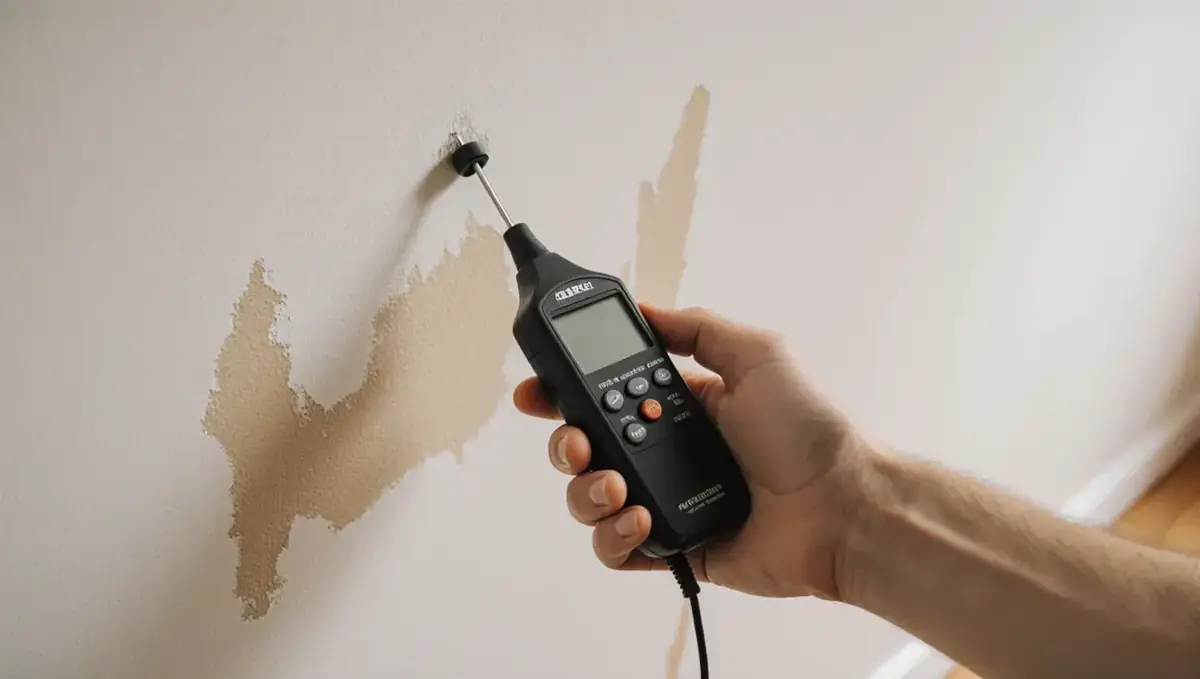
Plenty of California water damage has nothing to do with weather: a failed water heater, a cracked supply line or a slow leak under a slab can soak flooring and walls. These jobs usually start with water extraction and moisture mapping.
From Southern California to the North Bay
Los Angeles and Orange County. Winter storms can bring urban flooding, mudslides and debris flows near burn scars in Los Angeles, Long Beach, Pasadena, Glendale, Santa Ana, Anaheim and Irvine. Los Angeles got more than 12 inches of rain in February 2024, about three times its February average. Visit our Los Angeles water damage page for more.
Inland Empire. In Riverside, San Bernardino, Ontario, Rancho Cucamonga, Corona and Temecula, rain on steep mountain slopes and dry washes produces flash floods and debris flows.
San Diego County. San Diego, Chula Vista, Oceanside, Carlsbad, Escondido and El Cajon see rare but extreme bursts of rain that overwhelm drainage.
Central Coast. Ventura, Oxnard, Santa Barbara and Salinas face river flooding and debris flows from steep, often fire-scarred slopes.
Central Valley and Sacramento. Sacramento, Roseville, Stockton, Modesto, Fresno and Bakersfield sit near levee-protected floodplains and the Sacramento-San Joaquin Delta, exposed to river flooding, levee failure and snowmelt.
Bay Area and North Bay. San Francisco, Oakland, Berkeley, San Jose, Fremont, Hayward and Santa Rosa get creek and river flooding, landslides and coastal flooding when atmospheric rivers stack up.
Notable California Floods
- The Great Flood of 1861–62: 33.90 inches of rain fell in Sacramento over two months, leaving the capital under about ten feet of water.
- Winter 2016–17: the second-wettest winter on record, with more than $1 billion in flood losses.
- Atmospheric river series, 2022–23: nine storms in about three weeks, with levee breaks and debris flows statewide.
- Tropical Storm Hilary, August 20, 2023: catastrophic flash flooding and debris flows in Southern California, with up to 13.07 inches of rain at Upper Mission Creek.
- San Diego flash flood, January 22, 2024: rain rates of 1.5 to 2.5 inches per hour damaged about 1,000 homes and prompted more than 200 water rescues.
CSLB Licensing and Vetting a Restoration Contractor
The Contractors State License Board (CSLB) licenses California contractors. Since January 1, 2025, a license is required for jobs totaling $1,000 or more in labor and materials, or for any job that needs a permit. Remediation work that involves construction falls under these CSLB rules.
Use CSLB's Check a License tool to confirm a license, its status, bonding and workers' comp. Be especially careful after disasters, when unlicensed operators are common.
For mold removal, ask about training and certifications such as IICRC, how the area will be contained, and whether you'll get written moisture readings when the job is done.
Flood, Mudflow and Earthquake Coverage Gaps
The California Department of Insurance says standard homeowners policies do not cover flood, mudslide or debris flow. NFIP flood insurance covers mudflow but not landslides, and a new policy generally takes effect 30 days after purchase.
- If you live below a recent burn scar, consider flood coverage before the rainy season.
- Homeowners policies do not cover earthquake damage, apart from fire caused by an earthquake. California insurers must offer earthquake coverage in writing every other year, and the California Earthquake Authority sells its policies through participating insurers.
- Clear gutters and drains and fix roof or grading problems before November.
Getting Connected Through WaterQ
WaterQ is a free referral service. Call (888) 817-5061 and we connect you with a trusted, local restoration company in your part of California. The restoration professional you're connected with handles inspection, extraction, structural drying and repairs with you directly.
Until help arrives, shut off the water main for a plumbing leak, avoid standing water near electrical outlets, and stay away from slopes and channels during debris-flow warnings. Mold can begin growing within 24 to 48 hours on wet materials, so call (888) 817-5061 any time, day or night.
Frequently Asked Questions
Does homeowners insurance cover mudflow or debris flow in California?
According to the California Department of Insurance, standard homeowners policies do not cover flood, mudslide or debris flow. NFIP flood insurance covers mudflow but not landslides, and a new policy generally takes effect 30 days after purchase.
Does a restoration contractor need a CSLB license?
Since January 1, 2025, a CSLB license is required for jobs totaling $1,000 or more in labor and materials, or for any job that needs a permit. You can confirm a license with CSLB's Check a License tool.
I live below a recent burn scar. What should I do?
Your flood and debris-flow risk is higher for several rainy seasons after a fire. Consider flood coverage, keep drainage paths clear, and follow local warnings during heavy rain.
When is California's water damage season?
Most precipitation falls from about October to April, so storm-related water damage clusters in those months. Plumbing leaks can happen any time of year.
Is WaterQ a contractor?
No. WaterQ is a free referral service. Calling (888) 817-5061 connects you with an independent, local restoration company, and the line is available 24/7.