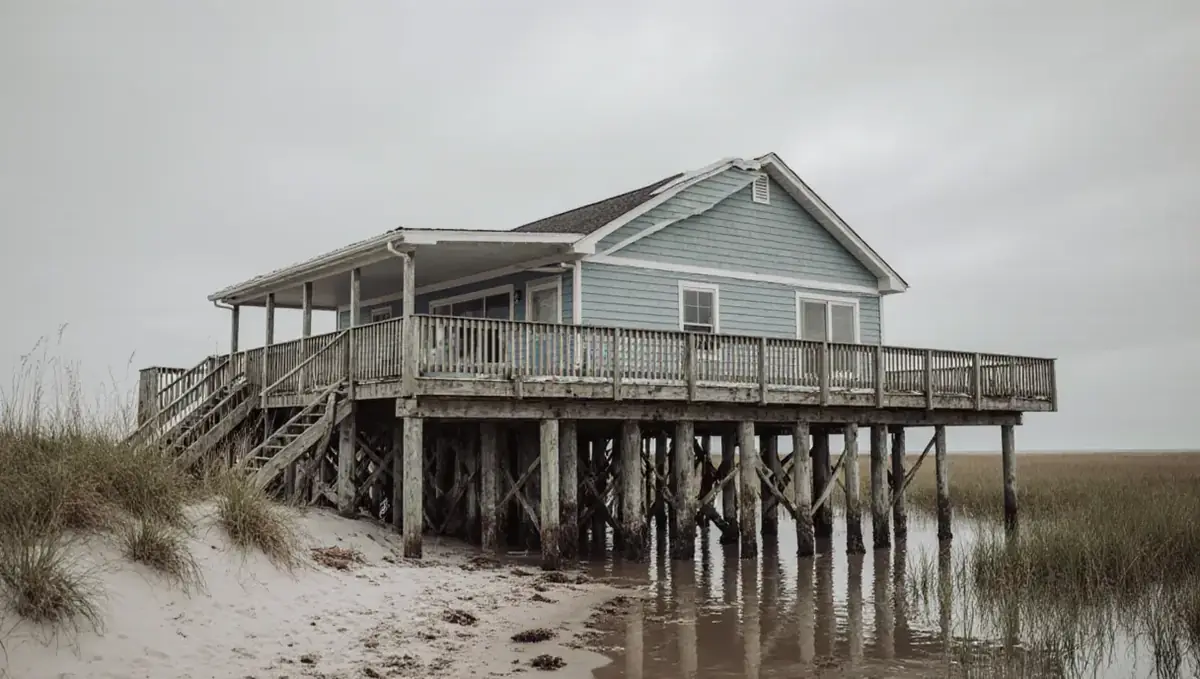
Water on Three Sides of Baytown
Few cities in the Houston area are as surrounded by water as Baytown. It sits on the north side of the Galveston Bay complex near the mouths of the San Jacinto River and Buffalo Bayou, with the bay along its south and west edges and Cedar Bayou forming its eastern boundary. Much of the city is only about 23 feet above sea level, and the land is very flat.
That geography creates more than one way for water to reach a building:
- Surge and high tides pushed up the bay by tropical systems.
- Heavy rain that drains slowly through Goose Creek, Spring Gully and the Cedar Bayou watershed, which the Harris County Flood Control District describes as the easternmost watershed in the county.
- Everyday failures such as water heaters, washing machine hoses and slab plumbing, which happen here as in any city.
Baytown also stretches into Chambers County, so it is worth confirming which county resources apply to your address. Current flood zones are on the FEMA Flood Map Service Center.
Why Some Baytown Ground Sits Lower Than It Used To
Baytown has a well-documented history of land subsidence. As industry and municipalities pumped groundwater faster than the aquifer could recover, low-lying parts of town sank. Much of the Brownwood subdivision dropped 10 to 15 feet during the 1970s and 1980s, and near the old Goose Creek oil field, subsidence in adjacent Baytown reached about six feet.
Lower ground near the bay means storm surge reaches farther. After Hurricane Alicia in 1983, extensive damage led to the abandonment of most Brownwood homes. The City bought out those properties, and the land is now the Baytown Nature Center, a 450-acre peninsula along the Houston Ship Channel.
The lesson for current owners is simple: flood risk can change over time. Check the latest maps for your property instead of relying on what a previous owner remembers.
Carla, Alicia, Ike and Harvey
Hurricanes Carla (1961), Alicia (1983), Ike (2008) and Harvey (2017) are considered the four most damaging hurricanes to affect Baytown. Each one brought water in a different way.
- Alicia came ashore on Galveston Island on August 18, 1983, as a Category 3 storm. Flooding in Harris County was most severe in Baytown, Clear Lake and Pasadena, and a 300-home subdivision near Baytown saw water as deep as 10 feet.
- Ike made landfall over Galveston as a Category 2 hurricane on September 13, 2008, and its surge affected Baytown on the upper bay.
- Harvey was a rain event. A gauge 2 miles northwest of Baytown measured 42.90 inches between August 25 and 31, 2017, per the National Weather Service.
Surge water and rainwater both need careful flood damage restoration, because either one can carry contaminants into a home.
Your First Moves When Water Comes In
- Put safety first. If water is near outlets or the electrical panel, keep out of the room. Never wade through floodwater outside.
- Stop what you can stop. Close the main water valve for a plumbing leak. For a roof leak, place buckets and move valuables away from the drip.
- Classify the water. Clean supply-line water is Category 1. Anything from the bay, a bayou or a flooded yard is Category 3 and needs protective gear.
- Record the damage. Take wide shots of each room and close-ups of damaged items and water lines.
- Call for help. Dial (888) 817-5061, and WaterQ will connect you with a local company that offers water extraction and drying.
Try not to run a household vacuum on standing water or turn on ceiling fans in a wet room until an electrician or the restoration crew says it is safe.
Extraction, Tear-Out and Drying in Baytown
Water damage restoration in Baytown usually begins with removing bulk water using portable or truck-mounted extractors. After that, the crew maps moisture with meters and infrared cameras to see how far it spread under flooring and into walls.
For surge or floodwater, contaminated carpet, pad, insulation and the bottom section of drywall are typically removed and disposed of, then exposed surfaces are cleaned and sanitized. For clean-water leaks, more materials can often be saved if drying starts quickly.
Air movers and dehumidifiers then run for several days while readings are logged. This structural drying phase matters a great deal in a humid bay climate. Once everything checks dry, rebuilding and water damage repair can begin. Ask the company you hire about its licensing, insurance and training, such as IICRC certification.
Keeping Mold in Check, and the Texas License Rule
Following EPA guidance, wet building materials should be dried within 24 to 48 hours to keep mold from taking hold. In a bayside city where the air stays humid most of the year, a closed-up house after a storm can develop mold quickly.
In Texas, mold assessment and remediation are licensed by the Texas Department of Licensing and Regulation. A license is generally needed once mold reaches 25 contiguous square feet or more. One company cannot serve as both the assessor and the remediator on the same project, and a Certificate of Mold Remediation must be issued within 10 days after the work. The Texas Attorney General's office also notes that sellers must give buyers copies of these certificates.
Read more about mold removal, or call (888) 817-5061 to reach a local provider for mold cleanup in Baytown.
Insurance Notes for Bayfront Homes and Industrial-Area Businesses
- Flood needs its own policy. Standard homeowners coverage generally excludes flood. NFIP and private flood policies cover it, and NFIP coverage typically starts after a 30-day wait.
- Wind may be separate too. In first-tier Texas coastal counties, wind coverage is often written through the Texas Windstorm Insurance Association. Check how your policy handles wind, hail and water.
- Sudden versus gradual. Most Texas homeowner policies cover only sudden and accidental water leaks, according to the Texas Attorney General, and may limit mold coverage.
- Keep the file complete. Save photos, drying logs, invoices and any items the adjuster may want to see.
Baytown is home to the ExxonMobil Baytown Complex, one of the largest industrial complexes in the world, along with shops, offices and warehouses that support them. Commercial owners can call the same 24/7 line for flooded storage, wet office carpet or roof leaks. WaterQ does not decide claims, but organized records help.
Baytown Areas and Surrounding Communities
WaterQ connects callers throughout Baytown, on both the Harris and Chambers county sides, and in nearby east Harris County communities with independent local restoration providers.
Neighborhoods
- Goose Creek
- Pelly
- East Baytown
- Wooster
- Cedar Bayou
- Lynchburg
Nearby communities
- Mont Belvieu
- Highlands
- La Porte
- Channelview
- Crosby
- Deer Park
- Pasadena
- Beach City
- Old River-Winfree
Baytown Water Damage FAQ
Why is flood risk so high in parts of Baytown?
The city is bordered by water on three sides and the land is very flat. Some low-lying areas also sank because of past groundwater pumping, which made them more exposed to storm surge. Check current FEMA maps for your exact address.
What happened to the Brownwood neighborhood?
Brownwood sank 10 to 15 feet over the 1970s and 1980s because of groundwater pumping. After heavy damage from Hurricane Alicia in 1983, most homes were abandoned and the City bought the properties. The area is now the Baytown Nature Center.
Is storm surge water handled differently from a pipe leak?
Yes. Surge and floodwater are treated as contaminated, so porous materials it touched are usually removed and surfaces are sanitized before drying. A clean supply-line leak often allows more materials to be dried and saved.
Who licenses mold remediation companies in Texas?
The Texas Department of Licensing and Regulation. A license is generally required for mold of 25 contiguous square feet or more, and the assessor and remediator must be separate. You can look up licenses on the TDLR License Search.
Can I call WaterQ for a business or industrial property in Baytown?
Yes. The free referral line is available 24/7 for homes and commercial properties, and we connect you with an independent local restoration company that handles the inspection and work.
Local emergency and flood resources
Official sources for alerts, flood maps and preparedness in and around Baytown: