A Suburb Built Fast, Now Reaching Middle Age
Plano had fewer than 18,000 residents in 1970. By 1980 it had about 72,000, and by 2000 it had passed 222,000. Growth has slowed a great deal since then, which means a large share of the city's homes, schools and shopping centers went up within roughly three decades and are now aging together.
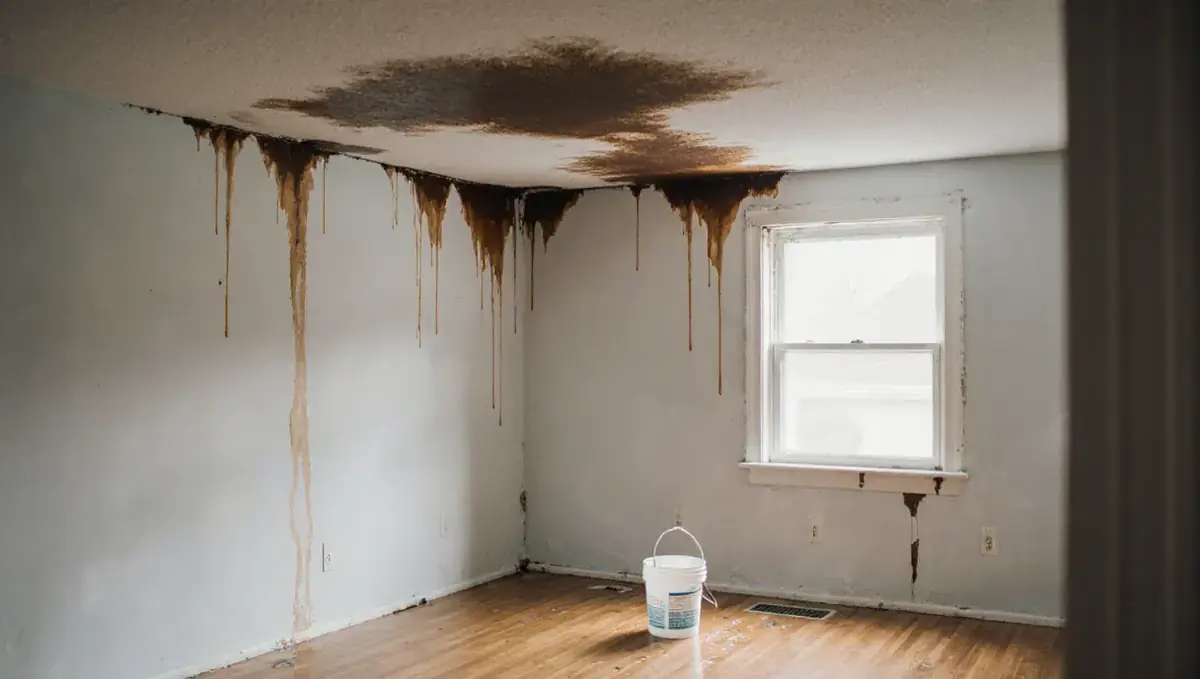
That timeline shapes the kind of water damage Plano sees. Original water heaters, washing machine hoses, ice maker lines and toilet supply lines wear out quietly. Roofs that have weathered years of North Texas hail are more likely to let water in. A small drip under a sink can soak cabinet bases and subfloor for weeks before anyone notices a soft spot or a musty smell.
The city's flat terrain and grid layout made it easy to build quickly, but flat ground also means heavy rain has to be carried away by drainage systems and creeks such as Rowlett Creek, which runs through Oak Point Park and Nature Preserve on its way toward Lake Ray Hubbard.
Leak Sources Plano Homeowners Should Check
Many water losses in established neighborhoods start inside the house. A few minutes of inspection can prevent a much larger problem:
- Water heater. Look for rust at the base, moisture on the floor of the closet or garage, and a drain pan that actually drains somewhere.
- Appliance connections. Rubber washer hoses and plastic ice maker lines are common failure points. Braided steel replacements are inexpensive.
- Attic. After a storm, check for damp insulation, stained decking or drips around vents and chimneys.
- HVAC condensate. A clogged line or cracked pan in an attic unit can spill water straight into a ceiling during the cooling season.
- Exterior walls. Pipes running through outside walls or the garage are the most exposed during a hard freeze.
If you find active water, close the main shutoff, keep clear of wet outlets and cords, and call (888) 817-5061. You can also report a leak on the public side of the meter to Plano Water Resources.
Hailstorms, Spring Downpours and Roof Leaks
The Dallas-Fort Worth area has a long record of damaging hail. The 1995 Mayfest storm and the June 13, 2012 storm, which dropped baseball- to softball-sized stones on the region, are among the costliest hail events in U.S. history. Plano's wettest month on average is May, the heart of the spring storm season, so hail and heavy rain often arrive close together.
Hail damage is easy to miss from the ground. Cracked shingles, dented vents and loosened flashing may hold for a while and then leak during the next heavy rain, staining a bedroom ceiling or soaking insulation in the attic. Once water is inside, storm damage cleanup usually means a temporary tarp, removal of wet insulation and ceiling drywall, and drying the framing before repairs.
Photograph the roof and any interior stains as soon as it is safe, and keep receipts for any emergency tarping. Those records help when you file a claim.
When a Hard Freeze Splits a Pipe
North Texas freezes are uncommon, but they can be long. In February 2021, DFW dropped to -2 F and stayed at or below freezing for 139 consecutive hours, and pipes burst in homes all over the state. A split line often does not leak until it thaws, so the flood can start hours after the coldest night has passed.
When a frozen pipe gives way, shut off the main valve, open a faucet to relieve pressure, and move belongings out of the path of the water. A restoration crew will then extract standing water and check nearby walls and ceilings with moisture meters, since water travels farther than it looks. Our water extraction page outlines what that first visit usually includes.
What the Restoration Process Looks Like Here
Most local providers in Plano follow the same basic order of work, adjusted to the size of the loss:
- Assess and classify. The technician identifies the source and whether the water is clean (Category 1), gray (Category 2) or contaminated (Category 3), which affects what can be saved.
- Remove water. Extractors pull water from carpet, pad and hard floors. Wet pad is often discarded.
- Open up where needed. Baseboards may come off and small holes may be drilled or sections of drywall cut so wall cavities can dry.
- Dry and monitor. Air movers and dehumidifiers run for several days, with moisture readings logged until materials return to normal. See structural drying.
- Rebuild. Drywall, flooring, trim and cabinets are replaced or refinished as part of water damage repair.
Ask any company you hire about its licensing, insurance and training, such as IICRC certification, and get the scope of work in writing.
Offices, Retail and Rental Properties in Plano
Plano is home to large corporate campuses around Legacy and Legacy West, plus shopping districts such as Willow Bend and Collin Creek. In an office building, a failed sprinkler head, a burst line above a drop ceiling or a leaking rooftop unit can reach carpet tiles, cubicles and server rooms on more than one floor.
Commercial drying works best when the plan protects operations: separating wet zones, moving equipment and records, and keeping unaffected suites open where it is safe. Property managers for apartments and townhome communities face similar questions when water moves between units. Keep shutoff locations, building contacts and insurance details where after-hours staff can find them.
For flood cleanup in Plano at an office, a storefront or a multifamily building, call (888) 817-5061 and describe the property so we can connect you with local providers who handle commercial work.
Mold Cleanup and the Texas License Threshold
Following EPA guidance, mold can begin growing on wet drywall, carpet pad and wood within 24 to 48 hours. Slow leaks behind cabinets or inside walls are especially likely to grow mold before anyone sees water.
Texas regulates this work. State licensing comes from the Texas Department of Licensing and Regulation (TDLR). Once a moldy area reaches 25 contiguous square feet or more, a TDLR license is generally required for both assessment and remediation. The person or company that assesses the mold may not also remediate it on the same project, and a Certificate of Mold Remediation must be issued within 10 days after remediation. You can check names on the TDLR License Search. Our mold removal page explains how containment and cleaning usually work.
Claim Records Worth Keeping in Plano
- Sudden versus gradual. Per the Texas Attorney General, coverage in most Texas homeowner policies is limited to leaks that are sudden and accidental, and mold remediation may be capped or excluded. A long-running drip may be treated differently than a burst line.
- Flood is a separate policy. Water rising from a creek or street is generally excluded from homeowners coverage. NFIP or private flood insurance covers it, and NFIP policies usually take 30 days to start.
- Document early. Take photos and video before cleanup, save damaged items or photos of them, and keep the drying logs and invoices from the restoration company.
- Report promptly. Notify your insurer as soon as you can.
WaterQ cannot predict how an insurer will rule, but clear records make the process smoother.
Plano Neighborhoods and Collin County Communities
Our free referral line connects callers in every part of Plano, from the historic downtown to the Legacy corridor, as well as neighboring cities across Collin County.
Neighborhoods
- Downtown Plano
- Haggard Park area
- Legacy West
- Legacy
- Willow Bend
- Collin Creek
- Arbor Hills
- Oak Point
- Turnpike Commons
Nearby communities
- Allen
- Richardson
- Frisco
- McKinney
- Murphy
- Parker
- Carrollton
- Addison
- Wylie
- Dallas
Plano Water Damage FAQ
My Plano home was built in the 1980s. What usually fails first?
Water heaters, washing machine hoses, ice maker lines and toilet supply lines are common failure points in homes of that age, along with roofs that have been through repeated hail seasons. Inspect them periodically and replace rubber hoses with braided steel.
Who do I call about a leak at the water meter or in the street?
Leaks on the City's side of the meter can be reported to Plano Water Resources. Leaks inside your home are your responsibility, so shut off your main valve and call (888) 817-5061 to be connected with a local restoration company.
Can a restoration company dry my office without closing the whole building?
Often, yes. Drying zones can be set up around the affected suites so unaffected areas can stay open where it is safe. The plan depends on how far the water traveled and what systems were affected.
When does mold removal in Texas require a licensed company?
TDLR generally requires licensed mold professionals for mold covering 25 contiguous square feet or more. The assessor and the remediator on a project must be different, and you should receive a Certificate of Mold Remediation afterward.
Is WaterQ a restoration contractor?
No. WaterQ is a free referral service. Our 24/7 line connects you with an independent, local restoration company in the Plano area, and that company inspects the damage and does the work.
Local emergency and flood resources
Official sources for alerts, flood maps and preparedness in and around Plano: