Twelve Watersheds and a River Corridor
Grand Prairie stretches across four counties between Dallas and Arlington, and almost 9 of its 81 square miles are water. The West Fork of the Trinity River and its major tributary, Johnson Creek, run through the city, and Joe Pool Lake, built by the U.S. Army Corps of Engineers for flood control on Mountain and Walnut creeks, fills much of the south side.
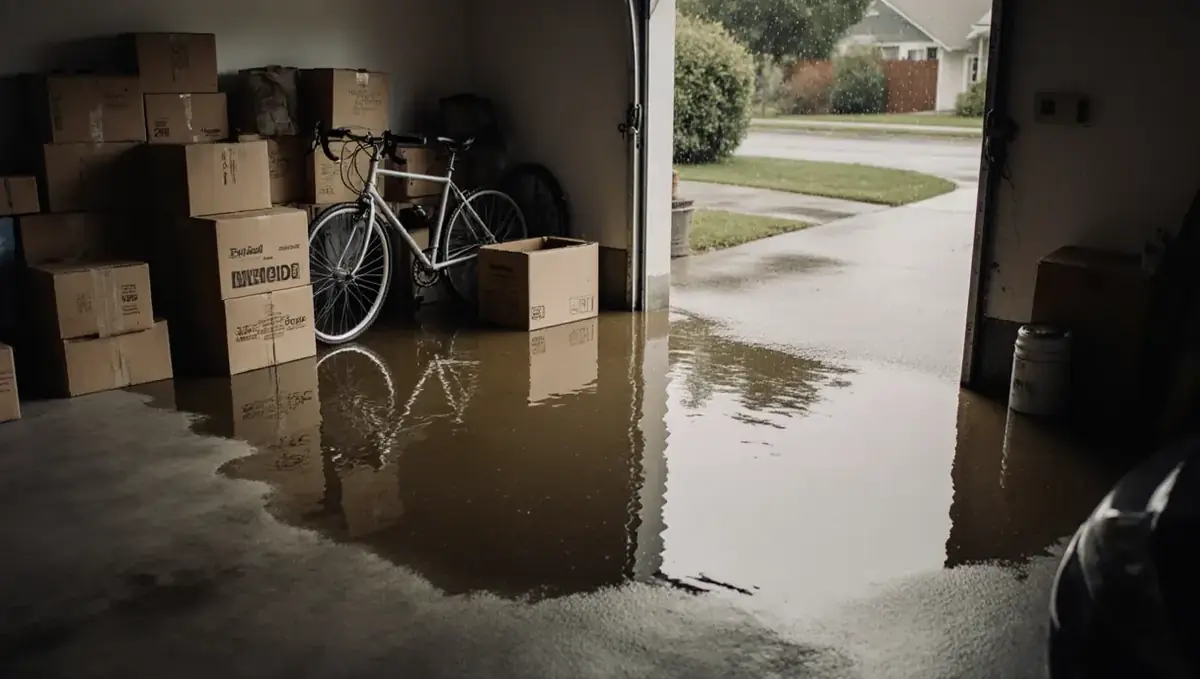
The City counts 12 major watersheds, each with areas subject to flooding from rising streams or from localized street and yard flooding. Places that have flooded before include parts of East Jefferson Street, Carrier Parkway by McFalls Park, Fish Creek at Interstate 20 and the Trinity River corridor. Johnson Creek in particular has a long flooding history, and a major Corps of Engineers project begun in the 1980s straightened its channel and reduced flood damage.
Flood Sirens, Gauges and Alert GP
Grand Prairie has tools many cities do not. Three flood warning sirens cover neighborhoods inside the 100-year floodplain, at Vernoy Drive, 1008 S. Belt Line Road and 299 Jonathan Drive. When one activates, you will hear four tones and then a spoken message that floodwater is rising and the area should evacuate. Depending on your zone, the instruction may be to evacuate or to shelter in place.
The sirens test on the first Wednesday of each month, right after the regular 1 p.m. outdoor siren test. You can also follow creek levels through the City's real-time gauge data and sign up for Alert GP, a free system that sends text, phone or email warnings about severe weather, evacuations and water contamination.
When Floodwater Gets Inside
Water from a creek, street or yard is Category 3 water. It can carry sewage, chemicals and debris, so flood cleanup in Grand Prairie is handled differently from a clean supply-line leak.
- Do not go back in until officials say it is safe, and keep away from any wet electrical equipment.
- Wear boots and gloves, and keep children and pets out of floodwater.
- Photograph water lines on walls, damaged contents and the outside of the house.
- Call your insurer, then call (888) 817-5061 to be connected with a local company for flood cleanup.
A restoration crew typically pumps out water and mud, removes soaked drywall, insulation and carpet below the flood line, cleans and disinfects remaining surfaces, and then begins drying. The goal of flood damage restoration is a structure that is both dry and sanitary before rebuilding.
Leaks, Freezes and Storm Damage Away From the Creeks
Plenty of water damage in Grand Prairie has nothing to do with the floodplain. In February 2021, DFW sank to -2 F and stayed at or below freezing for 139 consecutive hours, and pipes burst throughout the region. Slow leaks under sinks, failed water heaters and broken washing-machine hoses happen all year.
Spring storms add roof damage to the list, since North Texas has seen some of the costliest hailstorms in the country. Storm damage cleanup in Grand Prairie usually means tarping the roof, drying wet attics and ceilings, and replacing damaged insulation and drywall. For a plumbing leak, start by shutting off the main valve, moving belongings out of the way and taking photos. Then call (888) 817-5061 for help with water extraction.
From Extraction to Final Repairs
- Moisture assessment. The crew measures how far water has spread, using meters and thermal imaging.
- Water removal. Pumps and extractors clear standing water from floors and carpet.
- Selective demolition. Baseboards and the lower part of wet drywall are often removed to open wall cavities.
- Drying. Air movers and dehumidifiers run, with readings logged until materials reach dry standards. See structural drying.
- Reconstruction. Drywall, trim, flooring and paint are replaced.
Texas does not have a statewide general contractor license; instead, plumbers are licensed by the State Board of Plumbing Examiners and electricians and HVAC contractors by TDLR. When you hire for water damage repair in Grand Prairie, ask which licensed trades will be involved, and ask about insurance and staff training such as IICRC certification.
Warehouses, Industrial Space and Commercial Buildings
The Great Southwest Industrial District, begun in 1956 and shared with Arlington, is the largest industrial park in North Texas. Warehouses, distribution centers and flex space bring their own water problems: roof leaks over stored inventory, fire sprinkler discharges and large slab areas that need drying.
Commercial restoration usually starts with protecting goods and equipment, then extracting water and drying in sections so operations can continue. Keep a list of shutoff locations, maintenance contacts and your insurance details handy, and record the timeline of the loss for your claim. Homes, apartments and retail centers near Lone Star Park and downtown face the same urgency on a smaller scale.
Mold Prevention and TDLR Rules for Mold Cleanup
EPA guidance notes that mold can start growing within 24 to 48 hours on wet building materials. After a flood, mold cleanup in Grand Prairie is far easier when soaked materials are removed and drying starts right away.
The Texas Department of Licensing and Regulation oversees mold assessment and remediation. Generally, mold of 25 contiguous square feet or more requires licensed professionals, and the same person or company may not handle both the assessment and the remediation of one project. Expect a Certificate of Mold Remediation within 10 days after remediation is done. You can check licenses on the TDLR License Search; learn more about mold removal.
Flood Insurance and the CRS Discount
Grand Prairie holds a Community Rating System rating of 5, which qualifies properties in the Special Flood Hazard Area for a 25% discount on flood insurance premiums. The City also points out that roughly 30% of flood claims come from outside the mapped high-risk area, and it recommends flood insurance for everyone.
- Standard homeowners policies exclude flood, and NFIP policies generally take 30 days to start.
- Per the Texas Attorney General, coverage for water usually hinges on whether a leak was sudden and accidental, and mold remediation can be excluded or capped.
- The Floodplain Division can help determine your flood zone, insurance options and elevation certificate status.
Grand Prairie Areas and Neighboring Cities
WaterQ's free, 24/7 referral line connects callers from the Trinity corridor to the Joe Pool Lake area, and in neighboring cities, with independent local restoration providers.
Neighborhoods
- Downtown Grand Prairie
- Great Southwest Industrial District
- Lone Star Park area
- Lake Ridge Parkway area
- Joe Pool Lake area
- Southwest Grand Prairie
- North Grand Prairie
- East Jefferson Street corridor
Nearby communities
- Dallas
- Arlington
- Irving
- Fort Worth
- Mansfield
- Cedar Hill
- Midlothian
- Duncanville
Grand Prairie Water Damage FAQ
What does a Grand Prairie flood warning siren sound like?
It plays four tones followed by a spoken message that there is an emergency, floodwater is rising and you should evacuate. Tests use two tones and a message saying it is only a test, on the first Wednesday of each month after the 1 p.m. outdoor siren test.
Can I get a discount on flood insurance in Grand Prairie?
Grand Prairie's CRS rating of 5 qualifies properties in the Special Flood Hazard Area for a 25% discount on flood insurance premiums. Ask your agent how it applies to your policy.
My home is not in a flood zone. Can it still flood?
Yes. The City notes that about 30% of flood claims occur outside the Special Flood Hazard Area, and localized street and yard flooding can happen in any of Grand Prairie's 12 major watersheds.
Who checks mold licenses in Texas?
The Texas Department of Licensing and Regulation. Its License Search lets you confirm a mold assessor or remediator before work begins. A license is generally required for mold of 25 contiguous square feet or more.
Will WaterQ send someone to my property?
WaterQ is a free referral service, not a contractor. When you call, available 24/7, you are connected with an independent local restoration company, and that company handles the visit and the work.
Local emergency and flood resources
Official sources for alerts, flood maps and preparedness in and around Grand Prairie: