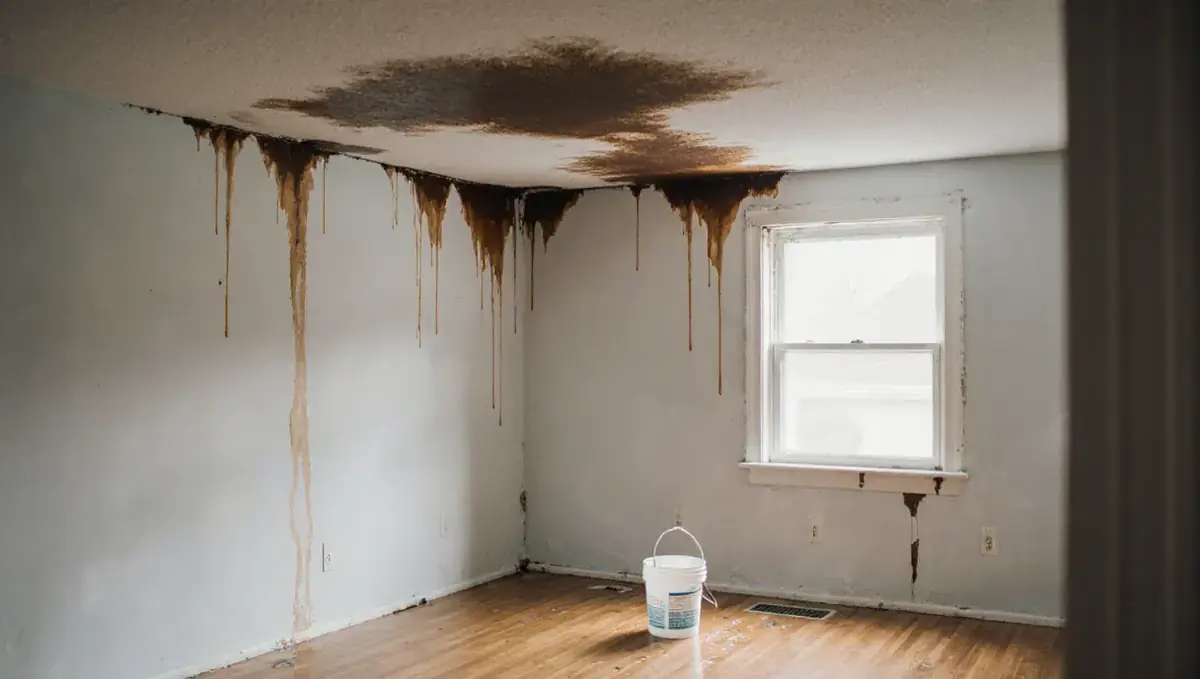
Creeks, Clay Country Storms and Brazos Valley Rain
College Station sits around 289 feet above sea level in the Brazos Valley, about 83 miles northwest of Houston. The Brazos River forms the western edge of Brazos County, and the city's stormwater runs into a dense network of local creeks, including Carter's Creek, Wolf Pen Creek, Bee Creek, Lick Creek, Spring Creek and Alum Creek, before reaching the Navasota and Brazos rivers.
The city averages about 41.75 inches of precipitation a year, and the wettest months are typically May and October. That rain does not arrive in one tidy season. It shows up as spring thunderstorms, fall downpours and, occasionally, the leftovers of a Gulf tropical system.
- Tropical rain inland. During Hurricane Harvey in 2017, National Weather Service gauge reports around College Station logged roughly 17 to 20 inches of rain, a reminder that being well inland does not rule out a flood.
- Hail. On April 8, 2021, a nighttime storm dropped hail from quarter size up to 2.75 inches across Bryan and College Station.
- Rare but real freezes. The February 2021 winter storm brought three to five inches of snow to the city, and pipes burst throughout Texas.
- Everyday plumbing failures. Water heaters, washer hoses and supply lines fail in every season.
What to Do in the First Hour
- Cut off the water. Close the fixture valve or the main shutoff. In an apartment, ask maintenance where the unit shutoff is.
- Keep away from electricity. Stay out of standing water near outlets, cords and appliances, and only flip breakers if you can reach the panel while dry.
- Report a utility break. College Station Utilities runs a 24/7 dispatch line, 855-528-4278, for water line breaks and wastewater backups.
- Judge the water. A clean supply-line leak (Category 1) is handled differently from a sewer backup or creek floodwater (Category 3), which can carry bacteria and should not be cleaned up casually.
- Photograph everything. Capture the source, the water line on walls and damaged belongings before you move them.
- Bring in help. Call (888) 817-5061 and we will connect you with a local pro for emergency water extraction.
Inside a Typical Restoration Job
Water damage restoration in College Station follows the same core steps whether the source is a hail-damaged roof or a burst pipe:
Assessment and moisture readings
Technicians trace where water traveled using moisture meters and, often, thermal cameras. Drywall, baseboards and subfloors can hold water well beyond the visible stain.
Pulling out the water
Portable or truck-mounted units draw standing water from carpet, pad and hard surfaces. Wet pad is commonly removed, and saturated drywall may be cut away so wall cavities can dry.
Drying and monitoring
Air movers and dehumidifiers run while readings are logged over several days. This structural drying record is useful later for your insurer.
Rebuild
Once materials test dry, water damage repair replaces drywall, flooring, trim and cabinets. Before you sign anything, ask the company about its licensing, insurance and training, for example IICRC certification.
Hail, Wind and Heavy Rain: Storm Damage Cleanup
Hail at the size seen in April 2021 can crack shingles and break windows, and the leak may not show up until the next rain. Watch for ceiling stains, drips around light fixtures and damp attic insulation after any hailstorm. Storm damage cleanup in College Station often means emergency tarping or board-up first, then drying the attic and ceilings.
When creeks rise or streets back up, floodwater that enters a home should be treated as contaminated. Flood cleanup usually includes removing soaked materials, cleaning and sanitizing, and then drying. You can report blocked culverts and drainage ways to the City through its Report an Issue form, and sign up for county emergency notifications through Brazos County Emergency Management.
Neighbors in Bryan deal with the same storm systems; see water damage help in Bryan.
Mold After a Leak, and What Texas Law Requires
Based on EPA guidance, mold can begin growing within 24 to 48 hours on wet drywall, carpet and wood, and humid summer weather keeps materials from drying on their own. Closed-up units over a break are especially vulnerable.
In Texas, mold assessors and remediators answer to TDLR, the state Department of Licensing and Regulation. A license is generally required for mold of 25 contiguous square feet or more. The same person or company may not do both the assessment and the remediation on the same project, and a Certificate of Mold Remediation must be issued within 10 days after remediation. Verify any assessor or remediator with the TDLR License Search.
Read more about mold removal and how containment limits the spread of spores during cleanup.
Claims, Coverage and Keeping Good Records
- Sudden versus gradual. The Texas Attorney General's office warns that most homeowner policies in the state pay only for sudden, accidental leaks, and mold remediation may be excluded or capped.
- Flood needs its own policy. Standard homeowners and renters policies generally exclude flood. NFIP or private flood insurance fills that gap, and NFIP policies typically have a 30-day waiting period.
- Report quickly. Notify your insurer, and your landlord if you rent, as soon as the damage is found.
- Save the paper trail. Keep photos, moisture logs, invoices and receipts for temporary repairs.
WaterQ cannot predict what a policy will pay, but solid documentation helps. When you are ready to start, call (888) 817-5061.
College Station Neighborhoods and Brazos Valley Communities
Our free referral line connects callers across College Station, from campus-area rentals to newer subdivisions in the south of the city, with independent local restoration providers.
Neighborhoods
- Northgate
- Wellborn
- Southside Historic Neighborhood
- College Hills
- Bee Creek
- McCulloch
- Castlegate
- Pebble Creek
- Emerald Forest
- Edelweiss Estates
- Foxfire
- Wolf Pen Creek
- Southwood Forest
- Williams Creek
- Sweetwater
- Reatta Meadows
- Shadowcrest
- Greens Prairie Reserve
Nearby communities
- Bryan
- Wixon Valley
- Kurten
- Navasota
- Snook
- Lake Bryan
College Station Water Damage FAQ
My apartment ceiling is leaking from the unit above. Who do I call first?
Contact your landlord or property manager immediately and document the leak with photos. If the building needs a restoration company, our 24/7 line can connect the owner or manager with a local provider, and your renters policy may cover your damaged belongings.
Can College Station flood even though it is far from the coast?
Yes. Local creeks such as Carter's, Wolf Pen and Bee Creek carry stormwater toward the Navasota and Brazos rivers, and during Hurricane Harvey in 2017, gauges around the city recorded roughly 17 to 20 inches of rain.
Who do I call about a water main or service line break in College Station?
College Station Utilities has a 24/7 dispatch line at 855-528-4278 for water line breaks and wastewater spills or backups. For damage inside your home, a restoration company can handle extraction and drying.
Is a license required for mold remediation in Texas?
Generally yes for mold of 25 contiguous square feet or more. TDLR licenses mold assessors and remediators, the same company may not do both on one project, and a Certificate of Mold Remediation must be issued within 10 days after the work.
Does WaterQ do the restoration work itself?
No. WaterQ is a free referral service. We connect you with an independent, local restoration company, which inspects the damage and performs the work.
Local emergency and flood resources
Official sources for alerts, flood maps and preparedness in and around College Station: