Two Rivers, a Reservoir and Central Texas Storms
Waco grew up where the Bosque River meets the Brazos, about halfway between Dallas and Austin on I-35. The Brazos runs straight through town and past the Baylor campus, where the small Lake Brazos Dam holds it up as a town lake. On the city's western edge, Lake Waco impounds the Bosque.
That reservoir has a flood-control job. The U.S. Army Corps of Engineers finished the modern earthen dam in 1965 to tame the Bosque and give the city a steady water supply, and before that, floods and droughts were frequent visitors. Today the bigger threats to most Waco homes come from above and inside: heavy thunderstorms, wind and hail, and plumbing that fails during a hard freeze.
Waco averages about 36.4 inches of rain a year, and May and October are the wettest months. A single slow-moving spring storm can drop enough water to back up gutters, overload drains and push water under doors.
The Longest Freeze on Record and What It Did to Pipes
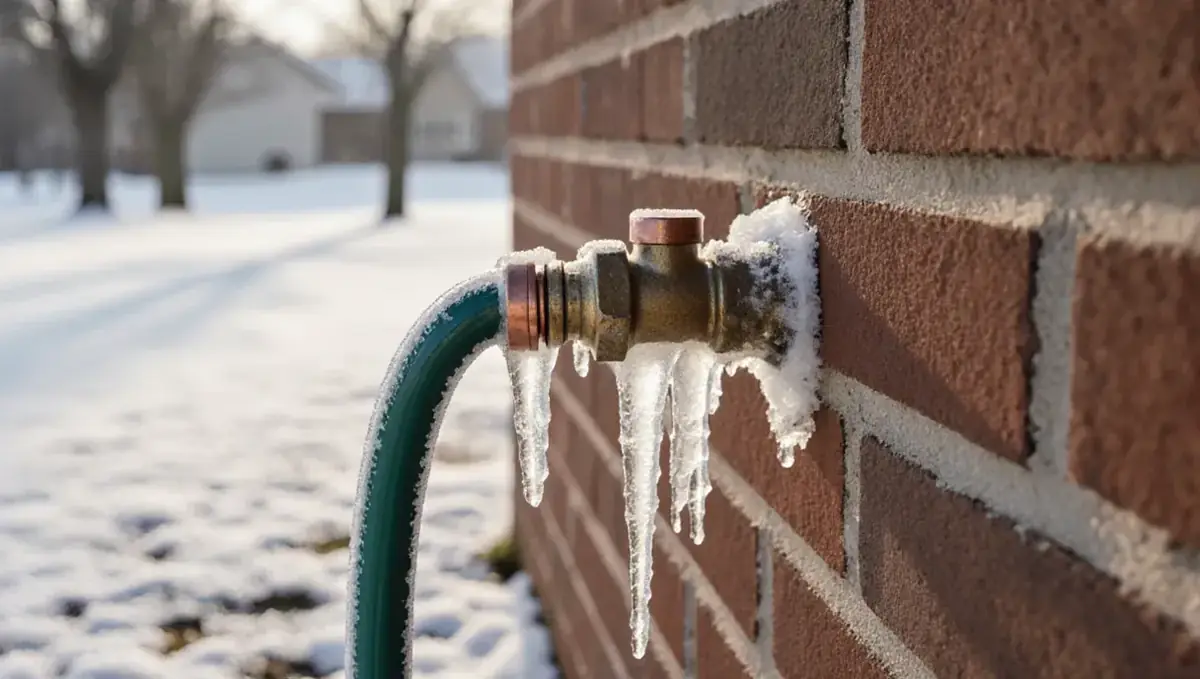
Waco's winters are usually mild, which is exactly why the February 2021 storm caused so much trouble. Waco Regional Airport stayed at or below freezing for 205 hours in a row, a new local record, and bottomed out at -1 F on February 16. That was longer than the stretch Dallas-Fort Worth endured during the same storm.
Pipes in attics, exterior walls, crawlspaces and garages are the usual casualties. Many owners did not discover the damage until the thaw, when split lines started spraying into ceilings and cabinets.
- Insulate exposed pipes and cover outdoor faucets before a hard freeze.
- Let faucets on outside walls drip during extreme cold, and open sink cabinets so warm air reaches the plumbing.
- Learn where your main shutoff is and keep any tool you need to turn it within reach.
- After a freeze, check the attic and under sinks for drips before turning everything back on.
If a pipe has already burst, call (888) 817-5061 and we will connect you with a local company that handles emergency water removal and drying.
Tornado History and Modern Storm Damage Cleanup
Waco knows severe weather. On May 11, 1953, an F5 tornado tore through downtown, killing 114 people and destroying 196 businesses and factories. Radar operators at Texas A&M spotted a hook echo on their screens that day, and the disaster helped lead to the Texas Radar Tornado Warning Network.
Most storms today are far less extreme, but wind and hail can still lift shingles, crack skylights and break windows. Rain that follows the wind often causes more lasting damage than the wind itself. For storm damage cleanup in Waco, the usual first moves are tarping the roof or boarding openings, removing wet debris and drying the structure before mold can settle in.
Sign up for the City of Waco's emergency notification system to get phone and email alerts about tornado warnings, water outages and neighborhood evacuations.
Right After You Find Water in the House
- Close the valve. Shut off the fixture or the main to stop the flow.
- Keep electricity and water apart. Stay out of standing water near outlets, cords and appliances. Flip breakers only if the panel is in a dry spot.
- Judge the source. Clean supply-line water (Category 1) is far less risky than sewage backup or outdoor flood water (Category 3). Treat dirty water as contaminated and keep kids and pets away.
- Record it. Shoot photos and video of the source, the water line on walls and damaged belongings.
- Save what you can. Move documents, electronics and keepsakes to a dry room and prop furniture off wet flooring.
Then get help. Calling (888) 817-5061 puts you in touch with a local restoration professional, any time of day.
From Extraction to Rebuild: How the Work Unfolds
Water removal
Crews use extractors to pull standing water from carpet, pad, tile and wood. The sooner bulk water is gone, the less soaks into drywall and cabinet bases.
Finding hidden moisture
Moisture meters and thermal imaging show where water has wicked into walls or traveled under flooring. Those readings guide the plan and support the insurance file.
Drying the structure
Dehumidifiers paired with high-velocity air movers stay in place, and a technician returns to log readings until the numbers hit target. Wet insulation and lower drywall may be removed so wall cavities dry. Learn more about structural drying.
Putting it back together
After materials test dry, water damage repair replaces drywall, flooring, trim and cabinetry. Ask each company about its licensing, insurance and training, such as IICRC certification, before hiring.
Older Neighborhoods, Student Rentals and Commercial Space
Waco's housing ranges from historic areas such as Castle Heights and Sanger Heights to newer subdivisions toward Hewitt and Woodway. Older homes may have aging supply lines, cast-iron drains or pier-and-beam floors where leaks can hide underneath.
Around Baylor, many homes and apartments are rentals. When water damage hits a rental, tenants should report it to the landlord or manager right away, and owners should document conditions before and after drying.
Downtown and along the riverfront, shops, restaurants and offices face their own risks, including roof drains, sprinkler lines and restroom supplies. Business owners and property managers can call (888) 817-5061 for water damage restoration in Waco that is planned around tenants and operating hours.
Mold Prevention and the Texas License Requirement
EPA guidance says mold can begin growing on damp materials in 24 to 48 hours, and Waco's warm, humid months speed that up. A slow drip behind a dishwasher or in a wall cavity can grow into a larger problem before anyone notices a smell.
In Texas, the Department of Licensing and Regulation (TDLR) oversees mold assessment and mold remediation. For Waco homes and businesses, licensing generally kicks in at 25 contiguous square feet of mold. The assessor who writes the protocol must be independent of the remediator who carries it out on the same job, and a Certificate of Mold Remediation is due within 10 days of finishing. Ask for that certificate and keep it with your home records.
See how mold removal uses containment and filtration to protect the rest of the building.
Coverage Questions Waco Owners Often Ask
Insurance is usually the next worry after the water stops. A few points to keep in mind:
- Burst pipes versus slow leaks. The Texas Attorney General notes that most homeowner policies in the state cover sudden and accidental leaks, and that mold cleanup may be excluded or capped. A pipe that splits during a freeze is a different claim from a drip that went unnoticed for months.
- Rising water needs flood coverage. Homeowners policies generally exclude flood. Buying NFIP or private flood insurance before storm season matters, since NFIP coverage typically starts after a 30-day wait.
- Documentation wins. Keep photos, moisture logs, invoices and receipts together.
WaterQ can't make promises about claims, but we can connect you with a local company that documents the job thoroughly.
Waco Neighborhoods and McLennan County Towns
WaterQ's free referral line connects callers throughout Waco and nearby McLennan County communities with independent local restoration providers.
Neighborhoods
- Downtown
- Baylor
- Castle Heights
- Sanger Heights
- Brook Oaks
- Dean Highland
- Cameron Park
- North Waco
- West Waco
- North East Riverside
- North Lake Waco
- Alta Vista
- Austin Avenue
- Carver
- Kendrick
- Oakwood
- Parkdale Viking Hills
- Richland Hills
- Timbercrest
- Mountainview
Nearby communities
- Hewitt
- Woodway
- Robinson
- Bellmead
- Lacy Lakeview
- China Spring
- McGregor
- Mart
- Crawford
Waco Water Damage FAQ
How long did Waco stay below freezing in February 2021?
According to the National Weather Service, Waco Regional Airport was at or below freezing for a record 205 consecutive hours, from February 10 to 19, and reached -1 F on February 16. Long freezes like that put pipes in attics and exterior walls at the highest risk.
Does Lake Waco protect my home from flooding?
The Lake Waco dam was built to control flooding on the Bosque River, and it has greatly reduced river flooding. It does not stop flash flooding from heavy local rain, roof leaks or plumbing failures, so check your FEMA flood map and consider flood insurance.
I rent near Baylor and my apartment has a leak. What should I do?
Tell your landlord or property manager immediately, take photos and move your belongings out of the wet area. The building owner usually arranges repairs, while renters insurance may help with your personal property.
How do I get emergency alerts from the City of Waco?
Register for the City of Waco emergency notification system online. It sends phone and email alerts about tornado warnings, water outages, road closures and evacuations.
Is WaterQ a restoration company?
No. WaterQ is a free referral service available 24/7. We connect you with an independent, local restoration company, and that company handles the inspection, drying and repairs.
Local emergency and flood resources
Official sources for alerts, flood maps and preparedness in and around Waco: