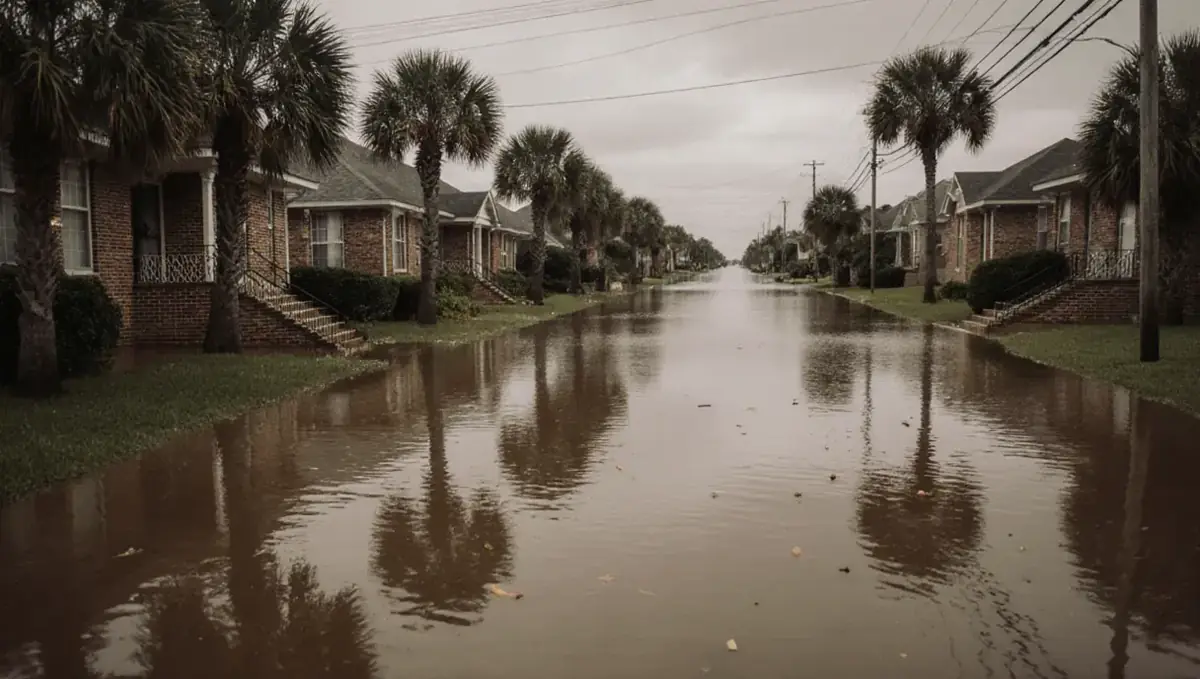
Flood cleanup is the urgent first phase
Flood cleanup covers the first days after water enters a home from outside: getting floodwater out, hauling away mud and ruined materials, and cleaning and sanitizing what is left so drying can begin. It is about safety and sanitation first.
The longer-term work that follows, such as drying the structure, rebuilding and working through a flood insurance claim, is covered on our flood damage restoration page.
Why floodwater is treated as Category 3
Under IICRC S500 terminology, floodwater that comes from rivers, streams, storm surge or overland flow is considered Category 3, or black water. It can carry sewage, bacteria, fuel, pesticides and other chemicals, along with sharp debris you cannot see under muddy water.
That changes the cleanup. Porous materials that soaked up floodwater, such as carpet and pad, upholstered furniture, mattresses, insulation and the lower portion of drywall, are usually discarded rather than dried. Hard surfaces are cleaned and disinfected. Workers wear protective gear throughout.
Safety before anything else
- Return only when authorities say it is safe. Watch for road closures and damaged structures.
- Treat all electrical equipment as dangerous. Do not turn on power if the panel, outlets or appliances got wet. Have an electrician check the system first.
- Watch for gas leaks. If you smell gas, leave immediately and call the gas company from outside.
- Never run a generator, pressure washer or other gas engine indoors or in a garage. Carbon monoxide can kill.
- Wear protection: rubber boots, waterproof gloves, eye protection and an N95 respirator, especially once mold may be present.
- Check the structure. Sagging ceilings, shifted foundations or buckled floors are signs to stay out.
- Keep children and pets away from floodwater and contaminated areas, and wash hands often.
What happens during professional flood cleanup
- Hazard assessment. The crew checks for electrical, gas and structural risks and sets up safe work areas.
- Water removal. Pumps and extractors remove standing water. In a flooded basement, water is often pumped out gradually, because draining it too fast while the ground outside is saturated can damage walls. See water extraction.
- Mud and debris removal. Silt, mud and debris are shoveled and hauled out.
- Removal of contaminated materials. Carpet, pad, insulation and wet drywall are removed, often with a flood cut above the water line.
- Cleaning and disinfection. Floors, framing, studs and hard surfaces are scrubbed and treated.
- Drying setup. Air movers and dehumidifiers go in to begin structural drying.
What to keep and what to throw out
Some items can be cleaned and saved, and some cannot. As a general guide:
- Usually discarded: mattresses, box springs, upholstered furniture, carpet and pad, stuffed toys, pillows, wet insulation, particleboard furniture, and any food, medicine or cosmetics that touched floodwater.
- Often salvageable: solid wood furniture, metal, glass, hard plastic, ceramic dishes and some clothing that can be laundered in hot water.
- Get specialist advice for: important papers, photographs, artwork, heirlooms and electronics.
Photograph everything before you throw it away, and keep a written list. Your insurance adjuster will want it.
Cleaning what you keep
Items and surfaces that can be saved still need careful cleaning, because floodwater leaves bacteria and residue behind even after it drains.
- Scrub hard surfaces such as floors, studs, counters and solid furniture with soap or detergent and clean water first, then rinse.
- If you use a disinfectant, follow the product label, open windows for ventilation and never mix bleach with ammonia or other cleaners.
- Wash flood-exposed clothing and linens separately in hot water, or have them professionally cleaned.
- Throw out canned goods with damaged seals, and anything you are unsure about.
- Let cleaned items dry completely before putting them back in the house.
Wash your hands with soap and clean water after any contact with floodwater or flood-soaked items, and before eating.
Insurance and cost basics
Flood cleanup costs depend on the depth of water, how much of the home was affected, how much material must be removed and hauled away, and how long the water sat.
Standard homeowners policies generally do not cover flood damage from rising surface water. Flood damage is typically covered through a separate flood policy, such as one from the National Flood Insurance Program or a private insurer. If you have flood insurance, report the claim as soon as you can. Learn more at FloodSmart.gov, the NFIP's official site.
Choosing a flood cleanup company
After a major flood, many contractors show up in hard-hit areas. Some are reputable and some are not. Ask:
- Are you licensed where required and insured, and can I verify it?
- Are your crews trained to handle Category 3 water, with proper protective equipment?
- Will you give me a written scope and estimate before starting?
- How will you document what is removed for my insurance claim?
- Can you handle drying and rebuilding later, or only cleanup?
Avoid anyone demanding large cash payments upfront or pressuring you to sign immediately.
How WaterQ can help
WaterQ is a free referral service. We do not do cleanup work ourselves. Call (888) 817-5061, available 24/7, and we will connect you with a trusted, local restoration company that handles flood cleanup in your area.
You can also check where local providers are available on our service areas page.
Find flood cleanup help near you
WaterQ connects callers with local restoration companies in these states. Choose yours to find your city:
Frequently Asked Questions
Is floodwater dangerous to touch?
Yes. Floodwater from outside is considered Category 3 or black water. It can contain sewage, bacteria and chemicals. Wear rubber boots, waterproof gloves and eye protection, wash your hands often and keep children and pets away.
Can drywall be saved after a flood?
Drywall soaked by floodwater is usually removed, often with a flood cut above the water line, because it absorbs contaminated water and is hard to sanitize. Framing behind it is typically cleaned, disinfected and dried.
How fast should I pump water out of a flooded basement?
Often gradually. If the soil outside is still saturated, pumping a basement out too quickly can let outside water pressure damage the walls. A professional can judge the right pace.
Does homeowners insurance cover flood cleanup?
Standard homeowners policies generally exclude flood damage from rising surface water. Flood coverage usually comes from a separate NFIP or private flood policy.
What is the difference between flood cleanup and flood damage restoration?
Flood cleanup is the urgent first phase: removing water, mud, debris and contaminated materials and sanitizing. Flood damage restoration includes the longer-term drying, rebuilding and insurance work that follows.
Can I use bleach to clean up after a flood?
Cleaning hard surfaces with soap and water comes first. If you use a disinfectant, follow the label, ventilate well and never mix bleach with ammonia or other cleaners.