Inland From the Bays, Downstream of the Hill Country
Victoria is a coastal plain city that is not quite on the coast. It sits about 30 miles from the Gulf of Mexico and roughly 20 miles from the nearest bay waters, at an elevation of about 95 feet, along and just east of the Guadalupe River. Coleto Creek and Coleto Lake lie to the west, and the Victoria Barge Canal ties the area to the Gulf Intracoastal Waterway.
That position changes the risk picture. Storm surge is far less of a concern than on Matagorda or Corpus Christi bays, but the Guadalupe carries water from a huge watershed that reaches into the Hill Country, where rivers can rise with startling speed. When heavy rain falls upstream, the river at Victoria can keep rising long after local skies clear.
The city averages about 41 inches of rain a year, with May, June, September and October the wettest months. Most of its severe weather, according to local climate records, comes in the form of flooding.
The Guadalupe's Big Crests: 1998 and Harvey
The October 1998 floods sent the Guadalupe River at Victoria to its highest stage since records began before 1840.
Hurricane Harvey in 2017 brought another serious test. The National Weather Service in Corpus Christi reported storm totals of about 9.8 to 17.1 inches across Victoria County, and the Guadalupe at Victoria was expected to crest near the second-highest level on record.
If you live or own property near the river or Riverside Park, river forecasts matter as much as local rainfall. A dry afternoon in Victoria does not mean the river has finished rising.
Hurricane Wind From Carla to Claudette
Being inland does not take Victoria out of hurricane range. Hurricane Carla in September 1961 remains the most intense hurricane to affect the city, and Hurricane Claudette in July 2003 was the most recent direct hit, with gusts to 83 mph.
For most homes, hurricane damage looks like a lifted roof covering, broken windows or a tree on the house, followed by days of rain getting in. Storm damage cleanup in Victoria usually starts by stopping the water with tarps or board-up, then removing wet ceiling drywall and insulation so the structure can dry.
If your roof or windows were damaged in a storm, call (888) 817-5061 to be connected with a local restoration company.
Practical Steps the Day Water Gets In
- Avoid live electricity. If outlets or appliances are underwater, keep out of the room and have the power shut off at the panel or by the utility.
- Turn off the supply. A burst pipe or failed water heater can release a lot of water quickly. Close the main shutoff before anything else.
- Treat river water as unsafe. Guadalupe floodwater and street runoff are Category 3. Use gloves and boots, and keep children and pets away.
- Make a photo record. Capture every room, the high-water mark and damaged items, and keep receipts for anything you buy for cleanup.
- Remove what you can. Get rugs, furniture, papers and electronics out of wet areas.
- Do not wait on drying. Water left in place for days spreads into framing and subfloors. Prompt water extraction limits the damage.
Drying Post-War Homes and Commercial Buildings
Victoria grew quickly after World War II, from about 16,000 residents in 1950 to more than 41,000 by 1970, as petrochemical plants and manufacturing expanded. Many homes in established neighborhoods were built during that growth, alongside new commercial and industrial buildings.
Extraction and cleanup
Pumps and extractors take out standing water and mud. After river flooding, surfaces are cleaned and sanitized before drying begins.
Measured drying
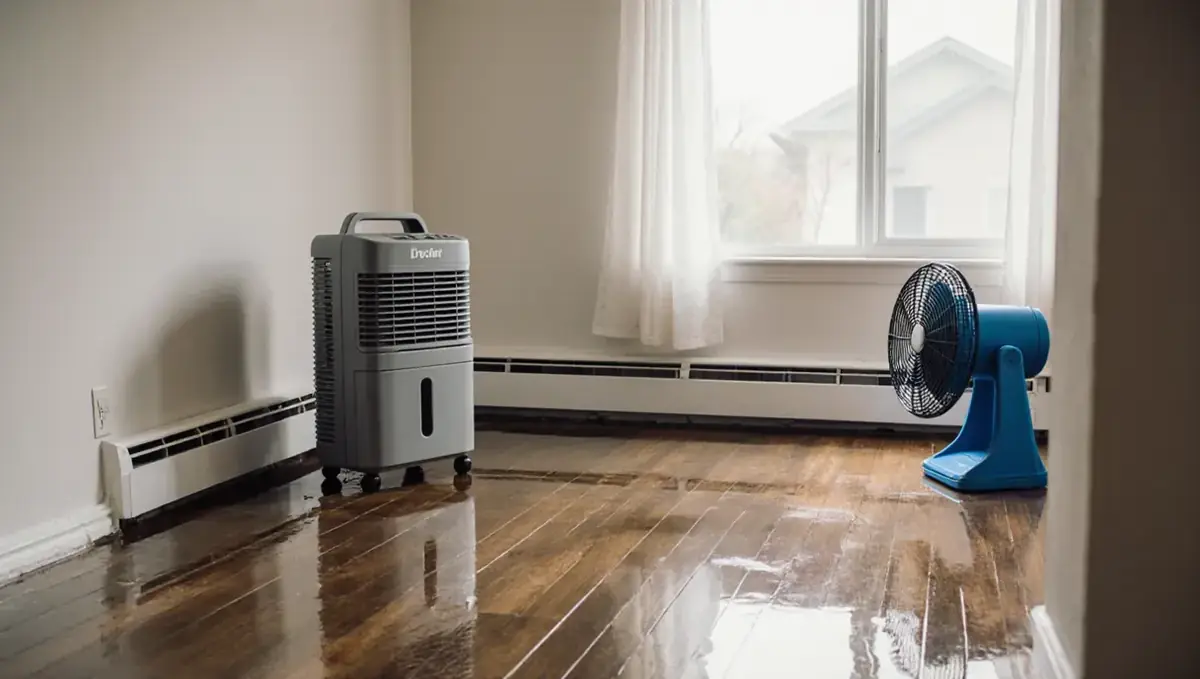
Technicians check moisture in drywall, framing, slabs and subfloors, then run dehumidifiers and air movers until readings reach dry standards. That is the heart of structural drying.
Rebuilding
Water damage repair in Victoria then restores drywall, flooring, trim and cabinets. With older homes, crews may find outdated materials or past repairs behind walls, so ask about the plan before demolition. It is also wise to ask any company about its licensing, insurance and training credentials, IICRC certification for example.
For offices, shops and warehouses, documented readings help owners plan when spaces can reopen.
Mold Prevention and TDLR Licensing in Victoria
The EPA notes that mold may begin to develop within 24 to 48 hours once materials get wet. Victoria's warm, humid summers give mold a head start, especially in closed-up rooms after a flood or a slow leak under a sink.
For mold removal in Victoria on a larger scale, Texas rules apply: TDLR generally requires licensed professionals when the affected area is 25 contiguous square feet or more. The assessment and the remediation must be handled by different licensed parties on the same project. When remediation is complete, a Certificate of Mold Remediation must be issued within 10 days, and that certificate travels with the home if it is sold.
You can verify licenses on the TDLR License Search before work starts. Our mold removal page covers containment and cleanup methods.
Coverage Questions for Victoria County Property Owners
- River flooding is flood. Water rising from the Guadalupe or overland runoff is generally excluded from homeowners policies. NFIP or private flood insurance covers it, and a new NFIP policy usually waits 30 days to start.
- Wind coverage varies by county. TWIA writes wind coverage in the 14 first-tier coastal counties, so confirm with your agent how your Victoria County policy handles wind and hail.
- Leaks and mold limits. The Texas Attorney General notes that most Texas homeowner policies cover only sudden, accidental leaks and may exclude or cap mold.
- Keep the paper trail. Photos, invoices and drying logs make a claim easier to support.
For flood cleanup in Victoria or a leak at your business, call (888) 817-5061. We connect you with a local restoration company; we cannot speak for your insurer, but clear documentation helps.
Victoria Areas and Nearby Crossroads Communities
WaterQ's free referral line connects callers in Victoria and nearby Victoria, Calhoun, Goliad, Jackson and DeWitt county communities with independent local restoration providers.
Neighborhoods
- Downtown Victoria
- DeLeon Plaza area
- Riverside Park area
- Guadalupe River corridor
Nearby communities
- Inez
- Bloomington
- Placedo
- Telferner
- Nursery
- Mission Valley
- Coletoville
- Port Lavaca
- Goliad
- Edna
- Cuero
Victoria Water Damage FAQ
Why can the Guadalupe flood Victoria when it has not rained much here?
The Guadalupe drains a large watershed that reaches into the Hill Country. Heavy rain upstream can raise the river at Victoria after local rain has stopped, so watch river forecasts, not just local weather.
What was the worst flood in Victoria's history?
The October 1998 floods pushed the Guadalupe River at Victoria to its highest stage since records began before 1840. During Hurricane Harvey in 2017, the river was expected to crest near the second-highest level on record.
Is storm surge a risk in Victoria?
Victoria sits about 30 miles inland at roughly 95 feet elevation, so surge is much less of a concern than on the bays. Hurricane wind and river flooding are the bigger threats.
Do I need a licensed company for mold in my Victoria home?
For mold covering about 25 contiguous square feet or more, Texas generally requires a TDLR-licensed assessor and a separate TDLR-licensed remediator.
What happens when I call WaterQ?
WaterQ is a free referral service, open 24/7. We connect you with an independent, local restoration company that serves the Victoria area, and that company does the inspection and the work.
Local emergency and flood resources
Official sources for alerts, flood maps and preparedness in and around Victoria: