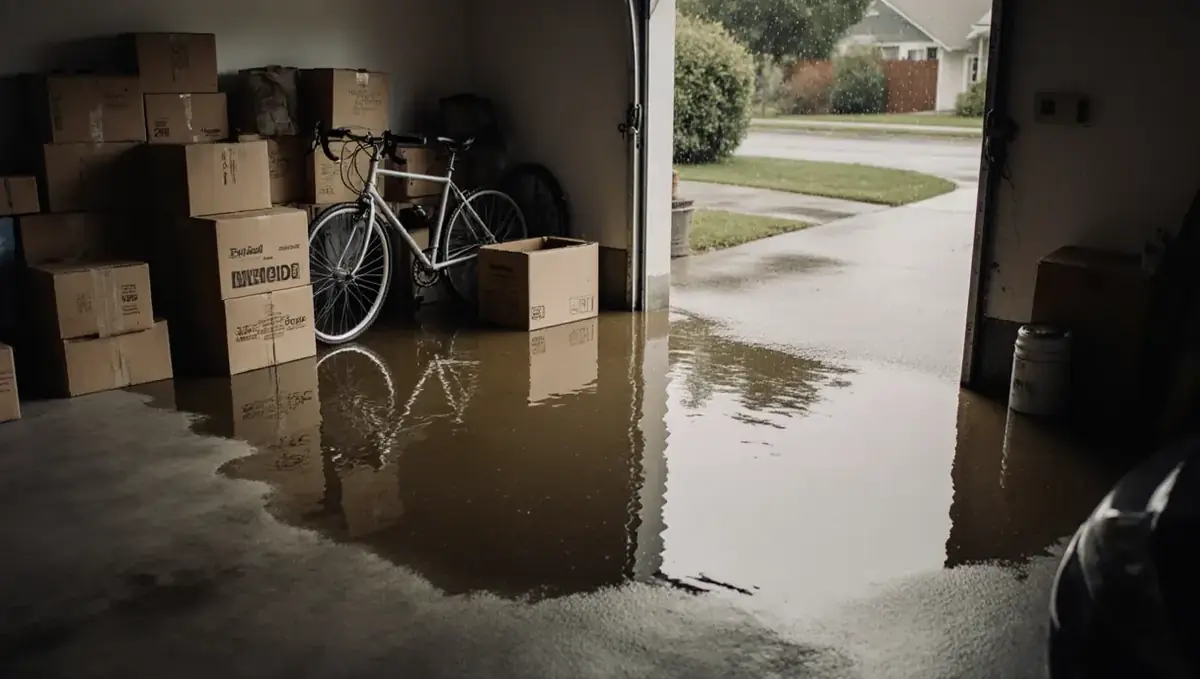
Between the Brazos and Oyster Creek
Missouri City sits mostly in Fort Bend County, with a small northern slice in Harris County, on flat ground roughly 75 feet above sea level. Oyster Creek runs south through the city, and the Brazos River curves along the west side of Sienna, the unincorporated community just to the south that was built behind a 10-mile flood-protection levee. That mix of creek, river and levee shapes how water damage in Missouri City tends to happen.
The biggest test came in 2017. During Hurricane Harvey, the National Weather Service reported record flooding on both the Brazos and San Bernard rivers in Fort Bend County. Between record rain and overflow from the Brazos River and Barker Reservoir, about 200,000 county residents were evacuated, and more than 6,800 homes in the county were damaged or destroyed. A tornado spun up by the storm also damaged or tore off the roofs of dozens of homes in Sienna Plantation.
Most calls are not that dramatic. Day to day, the usual causes are a burst supply line, a leaking water heater in the garage, a slab or roof leak, or a heavy thunderstorm that overwhelms street drainage for a few hours.
What to Do Before the Restoration Company Arrives
- Shut off the source. Close the main water valve, often near the street or in the garage, or the fixture shutoff under the sink or behind the toilet.
- Keep away from wet outlets. If water has reached cords, outlets or appliances, stay out of the area unless the breaker can be turned off from a dry spot.
- Identify the type of water. A clean supply line leak is Category 1. Water from a washer drain or dishwasher can be Category 2. Creek, river or street floodwater is Category 3 and can carry sewage and chemicals, so keep kids and pets out of it.
- Photograph before you clean. Capture the source, waterlines on walls, flooring and damaged belongings.
- Protect what you can. Set furniture on blocks or foil, pull up area rugs and move electronics and paperwork upstairs or to a dry room.
- Make one call. Dial (888) 817-5061 and we connect you with a local provider for emergency water extraction and drying.
From Standing Water to Rebuilt Rooms
Professional water damage restoration in Missouri City generally moves through four stages. Knowing them helps you ask good questions and follow the paperwork.
1. Getting the water out
Submersible pumps and extraction wands pull standing water off the floor and squeeze what they can from carpet and pad. Speed matters, because water keeps wicking up drywall and into baseboards while it sits.
2. Inspection and moisture mapping
Moisture meters and infrared cameras show where water traveled under tile, behind cabinets and into the next room. Those readings set the drying plan and support an insurance claim.
3. Structural drying
Air movers and dehumidifiers run for several days while readings are logged. Wet insulation and the bottom of soaked drywall are often removed so wall cavities can dry. Read more about structural drying.
4. Repairs
Once materials test dry, water damage repair replaces drywall, flooring, trim and cabinets. Before signing, ask any restoration company about its licensing, insurance and training, such as IICRC certification.
Older Quail Valley Homes and Newer Master-Planned Streets
Missouri City's housing spans several eras. Fondren Park dates to the early 1960s and Quail Valley to the late 1960s, while Riverstone and the Sienna area to the south are much newer master-planned communities. The city has been zoned since 1981, so most homes are single-family, and large apartment complexes are uncommon.
Age changes the job. In a 1960s home, crews often find decades-old supply lines, galvanized or patched plumbing and multiple layers of flooring that hide moisture. In newer construction, the common issues are failed appliance hoses, water heater leaks in attached garages and roof or window leaks after a storm. Either way, the drying plan should be built on moisture readings rather than guesswork.
Shops, offices, churches and schools along Texas Parkway and other corridors face the same risks on a larger scale. Property managers can call (888) 817-5061 to be connected with a company that handles commercial drying and documentation.
Storm Season, Flood Cleanup and Roof Damage
Atlantic hurricane season runs June 1 through November 30, with the peak usually from mid-August through October. In this part of Fort Bend County, tropical systems can bring two different problems at once: rising water from creeks and the river, and wind or tornado damage to roofs.
- Flood cleanup. Floodwater is treated as contaminated. Saturated drywall, insulation and carpet are typically removed, and surfaces are cleaned and sanitized before drying. See flood cleanup.
- Storm damage cleanup. Tarping a damaged roof quickly keeps the next rain out of the attic and ceilings. See storm damage cleanup.
- Know your floodplain. Look up your address on the Fort Bend County floodplain map, and sign up for city emergency alerts before a storm forms.
Hard freezes are a hazard too. During the February 2021 statewide freeze, pipes burst throughout Texas, so insulate exposed pipes and know where your shutoff is.
Mold After a Leak: Texas Licensing Basics
Following EPA guidance, mold can start growing on damp materials within 24 to 48 hours, and Fort Bend County's humidity rarely helps things dry on their own. Prompt drying is the best way to prevent it.
When mold does appear, Texas has specific rules. The Texas Department of Licensing and Regulation (TDLR) licenses mold assessment and remediation professionals, and a license is generally required for mold covering 25 contiguous square feet or more. The same person or company may not do both the assessment and the remediation on the same project. After remediation, a Certificate of Mold Remediation must be issued within 10 days, so ask for a copy and keep it with your home records.
You can verify a license through the TDLR License Search. Learn more about mold removal and mold cleanup in Missouri City, including how containment keeps spores from spreading.
Insurance Paperwork for Fort Bend Homeowners
- Flood is a separate policy. Standard homeowners insurance generally excludes flood. Coverage comes from the NFIP or a private flood policy, and a new NFIP policy typically has a 30-day waiting period.
- Sudden leaks vs. slow ones. The Texas Attorney General's office notes that a typical Texas homeowner policy pays for sudden, accidental leaks, not slow ones, and mold remediation may be excluded or capped. Check your own policy language and report damage quickly.
- Keep a clean file. Save photos, moisture logs, drying reports, receipts and any Certificate of Mold Remediation.
WaterQ cannot predict how an insurer will decide a claim, but organized records help. Call (888) 817-5061 to reach a local restoration professional who can document the damage as work begins.
Missouri City Neighborhoods and Nearby Communities
The free WaterQ line connects callers in Missouri City and nearby Fort Bend and Harris County communities with independent local restoration providers.
Neighborhoods
- Quail Valley
- Fondren Park
- Lake Olympia
- Olympia Estates
- Riverstone
- Brightwater
- Sienna
Nearby communities
- Sugar Land
- Stafford
- Houston
- Arcola
- Fresno
- Fifth Street
- Richmond
- Pearland
Missouri City Water Damage FAQ
Is Sienna part of Missouri City?
Not yet. Sienna is an unincorporated community in Missouri City's extraterritorial jurisdiction, bordering the city to the south. It was developed with a 10-mile levee along the Brazos River. The WaterQ line can connect residents of both areas with local restoration providers.
How do I find out if my Missouri City home is in a floodplain?
Fort Bend County publishes a floodplain map you can search by address. Homes near Oyster Creek, the Brazos River or levee-protected areas should check both the map and their flood insurance status, since standard homeowners policies generally exclude flood.
My water heater leaked into the garage and a bedroom. Is that a big job?
It depends on how far the water traveled. Clean water from a water heater is Category 1, but it can wick into drywall and under flooring quickly. A restoration crew uses moisture meters to find the wet areas and dries them before repairs begin.
Who can remove mold in a Texas home?
For mold covering 25 contiguous square feet or more, Texas generally requires TDLR-licensed professionals, and the assessor and the remediator must be different people or companies on the same project. You can check licenses on the TDLR License Search.
Does WaterQ do the restoration work itself?
No. WaterQ is a free referral service. Calling the 24/7 line connects you with an independent, local restoration company, which handles the inspection, drying and repairs.
Local emergency and flood resources
Official sources for alerts, flood maps and preparedness in and around Missouri City: