A Tornado Town That Knows Storm Recovery
Few North Texas suburbs have a storm history like Garland's. On May 9, 1927, an F4 tornado struck the young town and killed 15 people. Nearly nine decades later, on the night of December 26, 2015, an EF4 tornado moved north from Sunnyvale across southeast Garland and on into Rowlett, carving a 13-mile path. Nine people died in Garland, and hundreds of homes along the route were severely damaged or destroyed.
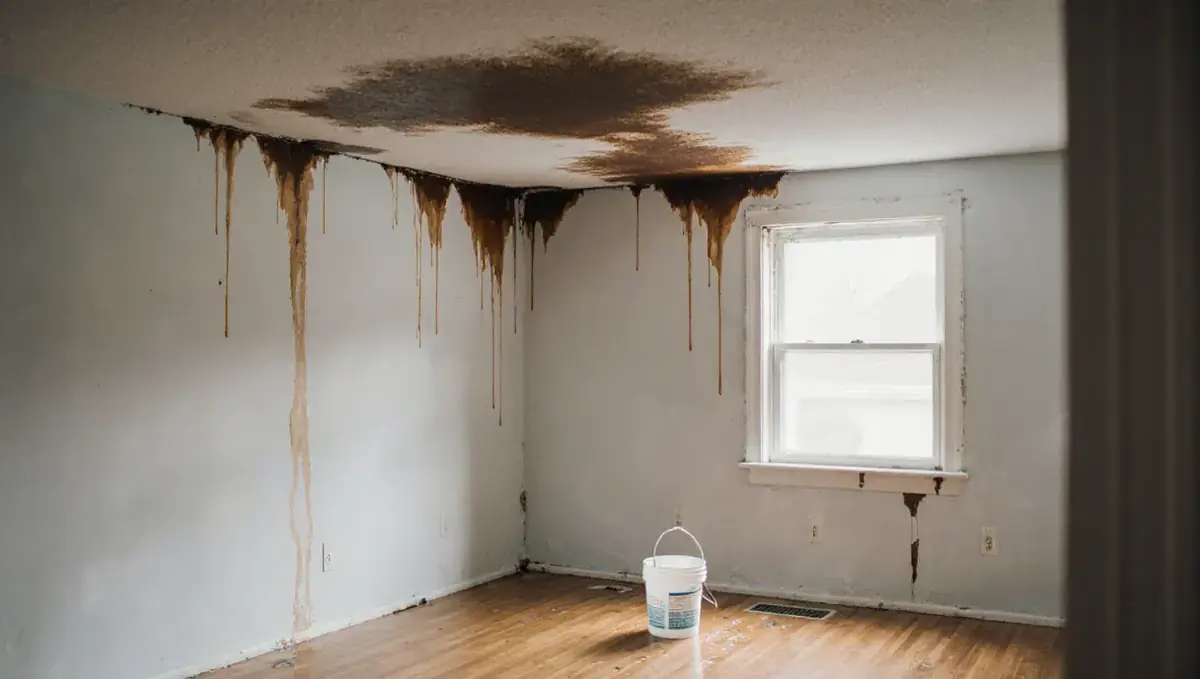
Most storms are far less violent, but the same pattern repeats on a smaller scale. Wind lifts shingles, hail cracks them, and rain finds its way into attics, wall cavities and ceilings. Water damage in Garland often starts with a storm and shows up days later as a stain overhead.
Where the Water Comes From in Garland Homes
Garland sits northeast of Dallas at about 551 feet, and very little of its 57 square miles is open water. Duck Creek, which gave one of the town's two original settlements its name, winds through the city, and Lake Ray Hubbard lies just to the east. In practice, most indoor water problems come from the sky or the plumbing:
- Roof and window leaks after hail, high wind or tornadoes.
- Aging plumbing. The post-World War II boom nearly quadrupled Garland's population by 1960, and many houses from that era and later have original or aging supply lines, drain lines and water heaters.
- Freeze breaks. In February 2021, DFW dropped to -2 F and spent 139 hours in a row at or below freezing, and pipes burst across the region.
- Heavy downpours. In August 2022, 9.19 inches of rain fell at DFW in 24 hours, and neighboring eastern Dallas County cities saw flooded roads and homes.
Garland First-Response Checklist
- Turn off the water. Locate the main shutoff, often near the street or where the line enters the house, and close it for any plumbing leak.
- Make it safe. Stay out of water that is near outlets or appliances, and watch for sagging ceilings that may give way.
- Identify the water. Clean water from a supply line is Category 1. Toilet overflows with waste, sewer backups and outside floodwater are Category 3 and carry health risks.
- Photograph first. Record the damage and its cause before you start cleaning.
- Salvage what you can. Move valuables, rugs and electronics to a dry room.
- Call for service. Dial (888) 817-5061 to be connected with a Garland-area restoration company for water extraction and drying.
After High Winds and Hail: Tarps, Attics and Ceilings
Storm damage cleanup in Garland usually has two tracks running at once. One is keeping more water out: tarping damaged roof sections, boarding broken windows and clearing debris. The other is drying what already got wet, which is easy to underestimate.
Wet attic insulation holds water against the ceiling drywall below it, and a ceiling that looks fine from underneath can be saturated. Restoration crews check attic spaces, ceilings and the tops of walls with moisture meters, remove insulation and drywall that cannot be dried, and set up equipment to dry framing before the roofer closes things up. Photograph exterior damage as well as interior stains for your insurer. If runoff or creek water got inside, flood cleanup in Garland adds sanitizing and removal of contaminated materials before drying. Read more about storm damage cleanup and water damage restoration.
How Pros Dry Out and Rebuild
A typical water damage restoration project moves through these stages:
- Inspect and map. Moisture meters and thermal imaging show where water spread, including under flooring and inside walls.
- Extract. Standing water is pumped or vacuumed out.
- Remove unsalvageable materials. Saturated carpet pad, drywall and insulation are cut out as needed.
- Dry and monitor. Dehumidifiers and air movers run while daily readings track progress. This is structural drying.
- Restore. Drywall, flooring, cabinets and paint are put back once the structure is dry.
For the final water damage repair in Garland, keep in mind that Texas licenses individual trades rather than general contractors. Plumbing work falls under the State Board of Plumbing Examiners, and electrical and HVAC work under TDLR. Ask a provider which trades it will bring in, what insurance it carries and what training its people have, such as IICRC certification.
Homes, Rentals and Local Businesses
Garland is home to more than 250,000 people and over 86,000 housing units, from older neighborhoods near downtown to newer development around Firewheel. Rentals and businesses face the same water risks with a few extra steps. Tenants should report leaks to the landlord immediately and check whether a renters policy covers their belongings. Landlords and commercial property owners should document the timeline and coordinate access for the restoration crew.
For shops, offices and warehouses, drying plans can often be staged so that unaffected areas stay open. If water is spreading in a building you manage, call (888) 817-5061 to reach a local provider.
Preventing Mold and Hiring a Licensed Remediator
Mold can begin to grow within 24 to 48 hours on wet drywall, carpet or wood, according to the EPA. A ceiling soaked by a slow roof leak is a common place for it to start unseen.
Texas handles mold work through TDLR, which licenses mold assessment and remediation technicians, consultants, contractors and companies. Licensing generally kicks in once mold covers 25 contiguous square feet or more. The assessor and the remediator on the same job must be different people or companies, and a Certificate of Mold Remediation must be issued within 10 days of finishing remediation. For mold removal in Garland, look up both companies on the TDLR License Search before work begins, and see our overview of mold removal.
Insurance Tips After a Garland Storm or Leak
- Wind and hail versus flood. Homeowners policies often cover wind and hail damage, but generally exclude flood. Flood coverage comes from an NFIP or private policy, and NFIP policies usually take 30 days to take effect.
- Sudden versus gradual. The Texas Attorney General notes that most Texas homeowner policies cover only sudden and accidental water leaks, and mold may be excluded or capped.
- Report early. Contact your insurer soon after the loss and ask what documentation they want.
- Keep everything. Save photos, receipts, moisture readings and the drying report.
Sign up for alerts through Dallas County's emergency alert systems so you hear about severe weather early.
Garland Communities and Nearby Cities
WaterQ's 24/7 referral line connects callers throughout Garland and the surrounding northeast Dallas County area with independent local restoration companies.
Neighborhoods
- Downtown Garland
- Embree
- Duck Creek
- Rose Hill
- Firewheel
- Eastern Hills
- Travis College Hill Historic District
- Southeast Garland
Nearby communities
- Dallas
- Rowlett
- Sunnyvale
- Mesquite
- Richardson
- Sachse
- Wylie
- Rockwall
Garland Water Damage FAQ
A storm passed through Garland and my ceiling has a new stain. Is that urgent?
Treat it as urgent. A stain usually means water is already in the attic insulation or ceiling drywall, and wet materials can start growing mold within 24 to 48 hours. Have the roof checked and the ceiling and attic tested for moisture.
My Garland house is from the 1960s. What leaks should I watch for?
Older homes often have aging supply lines, water heaters and drain lines. Watch for a rising water bill, damp cabinet bases, musty smells or warped flooring, and replace old washing-machine and toilet supply hoses.
Does homeowners insurance cover tornado damage?
Wind damage, including from tornadoes, is commonly covered by homeowners policies, but flood is generally excluded. Read your policy, report damage promptly and document everything with photos.
Do I need a licensed company for mold cleanup in Texas?
For mold of 25 contiguous square feet or more, TDLR generally requires licensed professionals, with the assessment and the remediation done by different parties. Ask for the Certificate of Mold Remediation when the job is done.
How does WaterQ work for Garland residents?
WaterQ is a free referral service. Call any time, day or night, and you are connected with an independent local restoration company, which inspects the damage and does the work.
Local emergency and flood resources
Official sources for alerts, flood maps and preparedness in and around Garland: