Two Waterways Running the Length of the Valley
San Jose fills much of the Santa Clara Valley, stretching from the southern edge of San Francisco Bay into the surrounding hills. Two major waterways cross it from south to north. The Guadalupe River starts in the Santa Cruz Mountains and flows through the city to the Bay at Alviso, while Coyote Creek begins on Mount Sizer and drains toward the south Bay.
At its northern edge, San Jose dips to 13 feet below sea level at the Bay in Alviso. The valley also has a history of land subsidence tied to groundwater pumping. Low ground near the Bay and creek corridors through older neighborhoods are where flood risk tends to concentrate.
Valley Water, the county's water and flood agency, reports that its projects have improved flood protection for more than 100,000 homes, businesses and properties. Even so, no levee or channel removes risk entirely.
February 2017: When Coyote Creek Overflowed
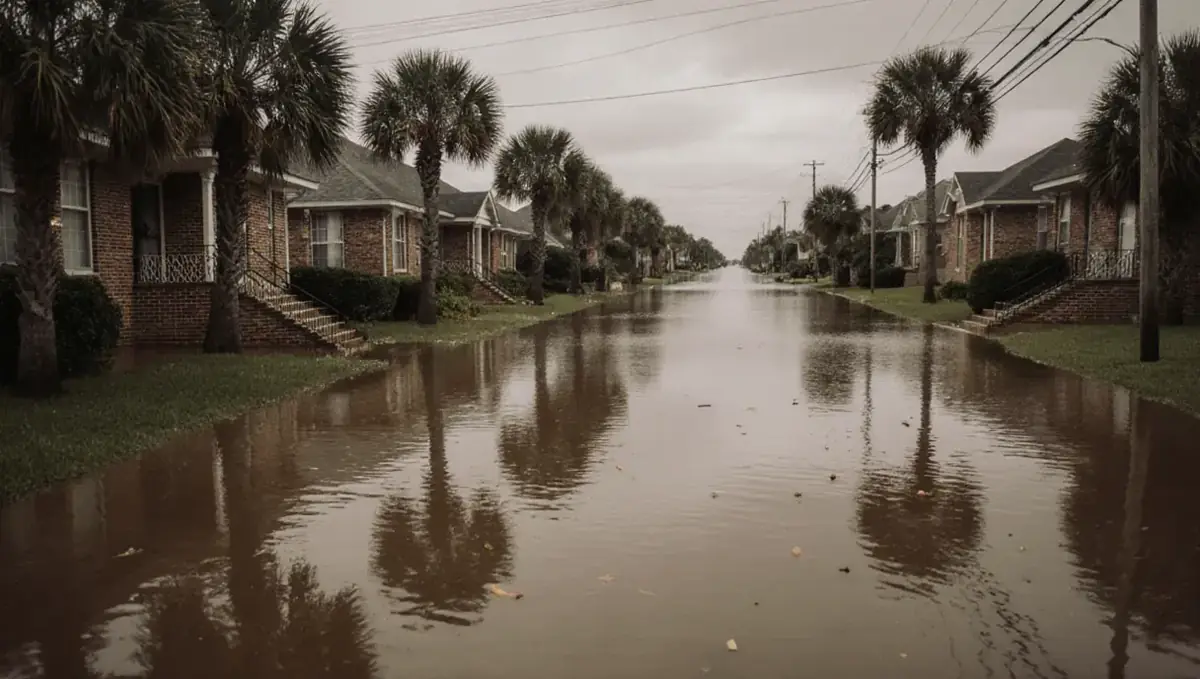
On February 20 and 21, 2017, unusually heavy rain pushed Anderson Reservoir past capacity, and Coyote Creek rose to a record 14.4 feet. About 14,000 people were forced from their homes. Nearly 500 homes were evacuated around Senter Road and Phelan Avenue, and William Street Park was completely underwater. Repair costs were estimated at more than $100 million.
That flood came during California's very wet 2016-17 winter, which caused more than $1 billion in flood losses statewide. For many San Jose residents it was a hard lesson that creek flooding can reach homes far from the Bay.
Homes that take in creek water need flood damage restoration, not just drying: floodwater is Category 3 and can carry sewage, chemicals and silt.
Sunny South Bay Weather and Its Short Rainy Season
San Jose averages about 16.14 inches of precipitation a year (1991-2020 normals), and most of it falls between November and March. The city sees roughly 298 days of sunshine, which makes the wet months easy to underestimate. Rain years swing widely, from just 5.33 inches in 2020-21 to 30.30 inches in 1889-90.
Because so much rain arrives in a few months, roofs, gutters and drainage systems that sat unused all summer get tested suddenly. Valley Water urges owners to consider flood insurance whether or not they are inside a FEMA Special Flood Hazard Area, and notes that coverage typically starts 30 days after purchase.
Getting Ready With Valley Water and AlertSCC
- Check your zone. The Your Valley Water map includes a FEMA flood hazard zone lookup for your address.
- Get free sandbags. Valley Water provides free, filled sandbags for Santa Clara County residents, along with loose sand and empty bags at various locations.
- Watch the creeks. Valley Water's alert system shares real-time creek and rainfall data during storms.
- Sign up for alerts. AlertSCC is Santa Clara County's official emergency alert and warning system.
See Valley Water's Get Flood Ready page for current details before the rainy season.
From the First Phone Call to the Final Repair
- Make it safe. Stop the water at the fixture or main, and stay out of standing water near outlets or appliances.
- Record it. Take photos and video before anything is moved or thrown away.
- Call for help. Reach (888) 817-5061 and you will be connected with a local restoration professional.
- Extraction. Crews pull out standing water and wet carpet pad; with creek water, soaked drywall and insulation are typically removed and surfaces disinfected.
- Drying. Structural drying equipment runs with daily moisture checks until materials reach dry standards.
- Rebuild. Water damage repair restores drywall, flooring, trim and cabinets.
California's CSLB requires a licensed contractor for jobs totaling $1,000 or more in labor and materials, or any job needing a permit. Before hiring, ask about licensing, insurance and training, such as IICRC certification, and verify the license with CSLB's online tool.
Mold Cleanup and Coverage Gaps in Santa Clara County
EPA guidance indicates mold can begin growing on damp materials within 24 to 48 hours. After a flood or a hidden leak, mold removal and cleanup should be planned alongside drying rather than afterward.
An industry roundup of state requirements indicates California has no state license specifically for mold assessors or remediators, and we found no statewide mold licensing program for San Jose homeowners to check against. Construction work done during remediation falls under CSLB licensing. Our mold removal page covers containment basics.
On coverage, standard homeowners policies leave out flood, mudslide and debris flow, so creek flooding needs NFIP or private flood insurance. Earthquake damage is also excluded, apart from fire caused by a quake. For other Bay Area cities, see Fremont or San Francisco.
San Jose Neighborhoods and South Bay Cities in Our Network
WaterQ's free referral line connects callers across San Jose's neighborhoods and nearby South Bay cities with independent local restoration providers.
Neighborhoods
- Downtown San Jose
- Japantown
- Rose Garden
- Midtown San Jose
- Willow Glen
- Naglee Park
- Burbank
- Alviso
- Alum Rock
- Communications Hill
- Little Portugal
- Blossom Valley
- Cambrian
- Almaden Valley
- Little Saigon
- Silver Creek Valley
- Evergreen Valley
- Mayfair
- Berryessa
- Santa Teresa
Nearby communities
- Santa Clara
- Milpitas
- Campbell
- Cupertino
- Los Gatos
- Sunnyvale
- Morgan Hill
- Mountain View
San Jose Water Damage FAQ
What happened during the 2017 Coyote Creek flood in San Jose?
On February 20-21, 2017, heavy rain pushed Anderson Reservoir past capacity and Coyote Creek reached a record 14.4 feet. About 14,000 people were forced from their homes, and repair costs were estimated at more than $100 million.
Where can San Jose residents get free sandbags?
Valley Water offers free, filled sandbags to Santa Clara County residents, plus loose sand and empty bags at various locations. Check Valley Water's Get Flood Ready page for current sites.
Do I need flood insurance if I'm not in a FEMA flood zone?
Valley Water recommends that property owners consider flood insurance whether they live inside or outside a FEMA Special Flood Hazard Area. Homeowners policies generally exclude flood, and flood policies typically have a 30-day waiting period.
How do I get emergency alerts in San Jose?
Sign up for AlertSCC, Santa Clara County's official emergency alert and warning system. Valley Water also publishes real-time creek and rainfall data during storms.
Does WaterQ do the restoration work in San Jose?
No. WaterQ is a free referral service available 24/7. We connect you with an independent local restoration company, which inspects your property and completes the work.
Local emergency and flood resources
Official sources for alerts, flood maps and preparedness in and around San Jose: