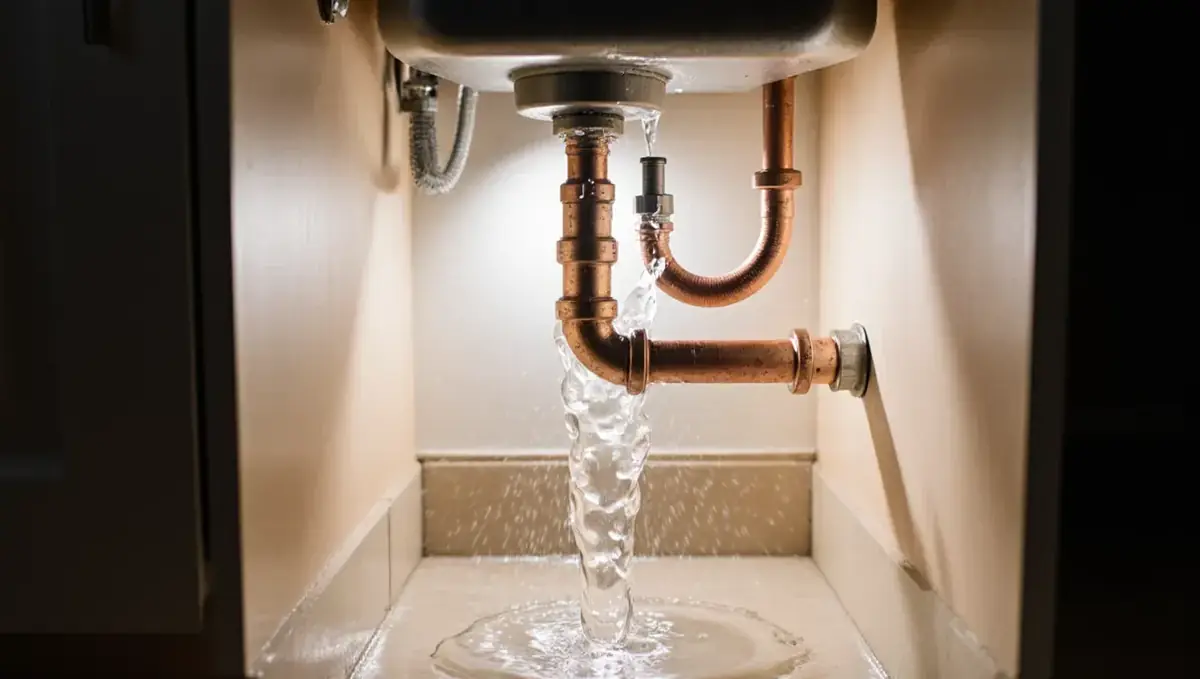
Why Water Damage Happens in a Dry City
Los Angeles has a Mediterranean-type climate, with dry summers and most of its rain falling between November and March, often in a handful of intense storms. Rainfall swings widely from year to year, and a string of dry years can be followed by a very wet one.
That pattern catches people off guard. After long stretches without rain, clogged gutters, worn roofing and poor drainage often go unnoticed until the first big winter storm. Meanwhile, plumbing leaks continue all year, so many calls for water damage repair in Los Angeles have nothing to do with the weather at all.
The city's geography adds variety. Flatland neighborhoods in the Los Angeles Basin and San Fernando Valley sit along drainage channels such as the Los Angeles River and Ballona Creek, while hillside homes in the Santa Monica Mountains and other ranges face runoff, mudslides and debris flows.
Slab Leaks, Old Pipes and Aging Water Mains
Much of LA's water damage starts underground or inside walls. About 30 percent of LADWP's water main lines are more than 80 years old, and main breaks have flooded streets and nearby properties. Inside homes, older supply lines, water heaters and drain pipes fail too.
In homes built on a concrete slab, a leaking pipe under the floor can soak flooring and baseboards slowly before anyone sees a puddle. Warning signs include:
- Warm spots or dampness on floors
- Cupping hardwood, loose tile or a musty carpet smell
- The sound of running water when every fixture is off
- A water bill that jumps without explanation
Once a plumber locates and fixes the leak, the wet structure still needs to be dried. A restoration crew uses moisture meters to trace how far water spread under flooring and into walls before setting up structural drying. If a city main or street flooding is affecting your property, report it through MyLA311.
When an Atmospheric River Rolls In
Winter atmospheric rivers can deliver extreme rain in a short time. In February 2024, downtown Los Angeles recorded 7.03 inches over two days, its third-wettest two-day span on record, and Bel Air saw about 12.4 inches in 24 hours, with landslides across Southern California.
These storms often arrive in back-to-back waves, so a roof leak or overwhelmed drain on the first day can get worse with the next system. Common results include water through roofs and windows, runoff into lower levels and garages, and flooded yards that seep under doors.
Heavy storms have shaped the city for a long time. The 1938 flood destroyed thousands of homes and businesses and led to the concrete channelization of the Los Angeles River. Today, clearing gutters and drains before November and fixing roof or grading problems ahead of the season are still the best defense. For water that gets inside anyway, see our guide to storm damage cleanup.
Living Below a Burn Scar
Wildfires strip hillsides of the plants that hold soil in place. When rain follows, burned slopes can send mud and debris flows into streets and homes below. LA County Public Works warns that burn areas less than two years old are especially at risk, and the January 2025 Palisades Fire left a large burn scar above neighborhoods that now face this danger.
- Watch LA County Public Works' debris and mudflow potential forecast during storms, and sign up for NotifyLA alerts.
- Keep drainage routes clear and use sandbags to direct runoff away from structures. Sandbag sites are listed at READY.LACounty.gov.
- LA County offers free engineering consultations for at-risk properties at 1-800-675-HELP.
- Evacuate when told to. No belongings are worth the risk of a debris flow.
Mud and debris that enter a home are treated as contaminated. Cleanup usually means removing sediment, cutting out soaked drywall and insulation, cleaning and disinfecting surfaces, and then drying the structure. Our flood cleanup page explains more.
First Steps When Water Gets In
- Turn off the water. Know where your main shutoff valve is. For a burst pipe or failed water heater, closing it right away limits the damage.
- Watch for electrical hazards. Do not step into water near outlets or appliances. Shut off the breaker only from a dry spot.
- Move what you can. Lift rugs, electronics and furniture off wet floors and put foil or blocks under furniture legs.
- Take photos and video. Record the source, the affected rooms and damaged items before cleanup starts.
- Bring in professionals. Call (888) 817-5061, available 24/7, and we'll connect you with a local company for water extraction and drying.
Even in LA's drier air, mold can begin growing within 24 to 48 hours on materials that stay wet, especially inside wall cavities and under flooring.
What Professional Water Damage Restoration Involves
A typical water damage restoration project in Los Angeles moves through these stages:
- Inspection and classification. The source is confirmed and the water is classified as clean, gray or black water, which determines what can be dried and what must go.
- Extraction. Standing water is pumped and extracted from floors, carpet and pad.
- Moisture mapping. Meters and thermal imaging trace moisture into walls, cabinets and subfloors so nothing wet is sealed up.
- Drying. Air movers and dehumidifiers run for several days, with readings taken until materials return to normal.
- Repairs. Drywall, flooring, cabinetry and paint are restored once everything tests dry.
Mold Cleanup and Checking a Contractor's License
Hidden moisture from a slow leak behind a shower or under a slab is a common source of mold in LA homes. If you notice a musty smell, staining or visible growth, ask about a mold assessment. Larger problems are usually handled with containment, HEPA filtration and removal of affected materials; see mold removal.
California does not appear to have a state license specific to mold remediation, but work that involves construction falls under Contractors State License Board rules. Since January 1, 2025, a CSLB license is required for jobs totaling $1,000 or more in labor and materials, or any job that needs a permit. Use CSLB's Check a License tool to confirm a license, bond and workers' comp, and be extra careful after disasters, when unlicensed operators are common. Ask any restoration company about its training too, for example IICRC certification.
Insurance Gaps Angelenos Should Know About
The California Department of Insurance says standard homeowners policies do not cover flood, mudslide or debris flow. NFIP flood insurance covers mudflow but not landslides, and a new policy generally takes effect 30 days after purchase. If you live below a recent burn scar, your flood and debris-flow risk stays higher for several rainy seasons.
Sudden plumbing failures, such as a burst supply line, are often treated differently from long-term leaks, so read your policy and report damage promptly. Keep photos, plumber invoices, drying logs and receipts for emergency services together in one place. Earthquake damage is also excluded from standard homeowners policies, apart from fire caused by an earthquake; the California Earthquake Authority sells coverage through participating insurers.
Hillside Homes, Apartments and Commercial Buildings
A water problem in a Hollywood Hills home is very different from one in a Koreatown apartment building or a Van Nuys warehouse. Hillside properties may need drainage and erosion work alongside drying. In multifamily buildings, a single leak can travel through ceilings into several units, so property managers need moisture readings for every affected space and clear communication with tenants and insurers.
Offices, restaurants and retail spaces have to limit downtime as well as damage. Whatever the property, help is available around the clock. Call (888) 817-5061 to be connected with a local restoration company serving Los Angeles and communities across California.
From the Valley to the Coast: Areas Covered
WaterQ connects callers across the City of Los Angeles and neighboring cities with local restoration companies that serve their area.
Neighborhoods
- Downtown Los Angeles
- Hollywood
- Hollywood Hills
- Los Feliz
- Silver Lake
- Echo Park
- Koreatown
- Mid-City
- Boyle Heights
- Highland Park
- Eagle Rock
- Westwood
- Brentwood
- Bel Air
- Pacific Palisades
- Venice
- Playa del Rey
- Studio City
- Sherman Oaks
- Encino
- Van Nuys
- North Hollywood
- Northridge
- San Pedro
Nearby communities
- Santa Monica
- Beverly Hills
- West Hollywood
- Culver City
- Inglewood
- Burbank
- Glendale
- Pasadena
- Malibu
- Calabasas
- Torrance
- Long Beach
Los Angeles Water Damage FAQ
Does homeowners insurance cover mudflow or flood damage in Los Angeles?
According to the California Department of Insurance, standard homeowners policies do not cover flood, mudslide or debris flow. NFIP flood insurance covers mudflow but not landslides, and a new policy generally takes effect 30 days after purchase.
What are signs of a slab leak?
Common signs include warm or damp spots on the floor, cupping hardwood, loose tile, a musty smell, the sound of running water when nothing is on, and an unexplained jump in your water bill. A plumber locates and repairs the leak, and a restoration company dries the affected flooring and walls.
Does a water damage contractor in California need a license?
Since January 1, 2025, a CSLB license is required for jobs totaling $1,000 or more in labor and materials, or any job that needs a permit. You can verify a license, bond and workers' compensation with CSLB's online Check a License tool.
Is WaterQ the company that does the work?
No. WaterQ is a free referral service. Calling (888) 817-5061 connects you with an independent, local restoration company that inspects the damage, gives its own estimate and performs the work.
How can I prepare my home for winter storms in LA?
Clear gutters and drains before the rainy season, fix roof or grading problems before November, and keep drainage paths open. Hillside and burn-area residents can find sandbag sites at READY.LACounty.gov and sign up for NotifyLA alerts.
Local emergency and flood resources
Official sources for alerts, flood maps and preparedness in and around Los Angeles: