Five Old Towns on an Alluvial Fan
Fremont was stitched together from five original towns, Mission San Jose, Centerville, Niles, Irvington and Warm Springs, and it covers about 88 square miles in southern Alameda County. Roughly 10 of those square miles are water, mostly along the San Francisco Bay shoreline on the city's west side. To the east, the land climbs toward Mission Peak.
Much of the flat ground in between is an alluvial fan built by Alameda Creek as it leaves Niles Canyon and spreads toward the bay under Fremont, Newark and Union City. That geography shapes how water behaves here: storm runoff from the hills heads west across a low, gently sloping city toward the bay and its marshes.
If water is already inside your home or building, call (888) 817-5061. WaterQ is a free referral line that connects you with a trusted, local restoration company for water damage in Fremont.
Alameda Creek and the Channel That Tamed It
Alameda Creek is the city's defining waterway. It cuts through the Diablo Range in Niles Canyon, passes the Niles district and then runs to the bay. In the early 1970s the U.S. Army Corps of Engineers channeled and rip-rapped the lower 12 miles of the creek, creating the trapezoidal Alameda Creek Flood Control Channel that stretches from the bay up to the Niles Canyon area.
The channel and the levees, pump stations and reservoirs around it are maintained by the Alameda County Flood Control and Water Conservation District. The system does its job most winters, but heavy, back-to-back storms can still overwhelm neighborhood storm drains, back water up against garage doors and push runoff into low rooms before it ever reaches the creek.
The district publishes a family flood plan and watershed maps, both worth a look before the rainy season starts.
Rain Shadow Winters and Atmospheric Rivers
Fremont sits in the rain shadow of the Santa Cruz Mountains, so it averages about 15.94 inches of rain a year, with January and February the wettest months at around 3 inches each. Summers are nearly dry. That modest total can be misleading, because most of it arrives in a handful of storms.
Atmospheric rivers deliver the heaviest of those storms. Between December 26, 2022 and January 17, 2023, nine of them struck California, and the Bay Area was hit hard by creek flooding, landslides and coastal high water. When storms stack up like that, soil stays saturated, gutters overflow and small roof defects turn into ceiling stains.
- Clean gutters and downspouts each fall, and make sure they drain away from the foundation.
- Check that yard drains and street inlets near your driveway are clear.
- Look over roof flashing, skylights and vents before November.
- If storm water does get in, treat it as contaminated and plan for professional storm damage cleanup.
Living Along the Hayward Fault
The Hayward Fault runs along the western base of the East Bay hills, right through Fremont. The 1868 Hayward earthquake collapsed buildings throughout the Fremont area, and the fault still creeps slowly enough to crack and offset curbs, sidewalks and roads. The USGS-backed UCERF3 forecast puts the chance of a magnitude 6.7 or larger quake somewhere in the Bay Area at 72 percent before 2045.
Earthquakes are a water damage risk as much as a structural one. Shaking can snap supply lines, tip water heaters and break sprinkler pipes, flooding rooms that never see rain. A few precautions help:
- Strap your water heater and know where the main shutoff valve is.
- Use braided steel supply lines on toilets, sinks and the washing machine.
- Remember that standard homeowners policies exclude earthquake damage. California insurers must offer earthquake coverage, and the California Earthquake Authority sells policies through participating insurers.
What to Do While Water Is Still Spreading
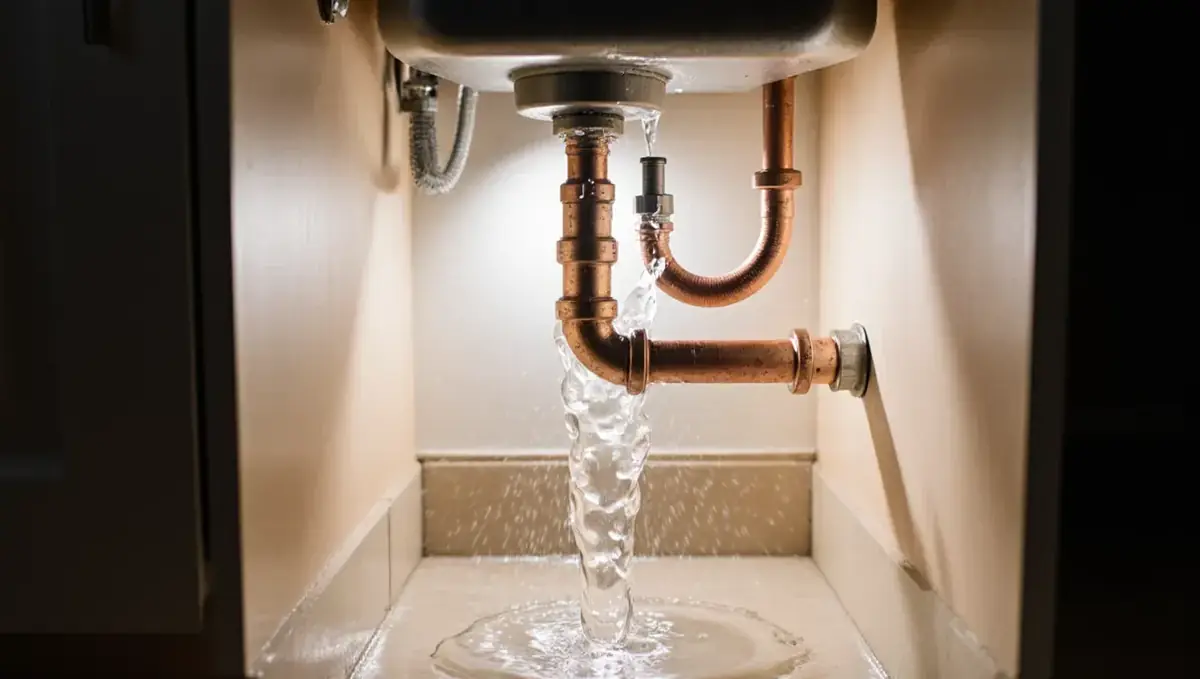
- Close the valve. Shut off the fixture valve or the main. If you don't know where the main is, find it now, before you need it.
- Keep away from electricity. Don't step into standing water near outlets, power strips or appliances. Switch off the breaker for wet rooms only if you can reach it without walking through water.
- Figure out what kind of water it is. A burst supply line is clean (Category 1), while a toilet overflow or water that came in from outside can carry contaminants (Category 2 or 3). Keep kids and pets out of anything questionable.
- Take pictures first. Photograph the source, the standing water and damaged belongings before cleanup changes the scene.
- Get help on the way. Call (888) 817-5061 and we connect you with a local company that can start emergency water extraction.
Mold can begin growing on wet materials within 24 to 48 hours, according to EPA guidance, so the first day matters.
How a Fremont Drying and Repair Job Unfolds
Local restoration companies follow a fairly consistent sequence, adjusted for the size of the loss:
Inspection and water removal
The crew finds the source, confirms it is stopped and pulls out standing water with portable or truck-mounted extractors. Wet carpet pad is usually removed.
Measuring and mapping
Moisture meters and thermal cameras show how far water wicked into drywall, baseboards, cabinets and subfloors. Those readings guide the drying plan and support your insurance claim.
Structural drying
Air movers and dehumidifiers run for several days while technicians check readings. Wall cavities are sometimes opened so trapped moisture can escape. See how structural drying works.
Rebuild
Once materials test dry, water damage repair replaces drywall, flooring, trim and cabinetry. For a job of $1,000 or more, or anything that needs a permit, California requires a CSLB-licensed contractor. Check any license on the CSLB website before you sign.
Mold, Flood Coverage and Business Properties
As far as an industry roundup of state rules shows, there is no California license aimed specifically at mold assessment or mold remediation. The Toxic Mold Protection Act of 2001 directed the state health department to study mold standards, but no statewide mold licensing program has been found. Remediation that involves construction still falls under CSLB contractor rules, so ask about licensing, insurance and training, such as IICRC certification, before mold removal begins.
On the insurance side, standard homeowners policies do not cover flood, mudslide or debris flow. NFIP flood insurance covers mudflow but not landslides, and a new policy generally takes effect 30 days after purchase, so don't wait for a storm forecast.
Fremont's offices, labs and light industrial buildings in Warm Springs and the Bayside area have their own needs: wet carpet tiles, server rooms and ceilings below rooftop equipment. Property managers can call (888) 817-5061 to reach a local provider for commercial flood cleanup and drying. Neighbors to the north can find help through the Hayward page as well.
Fremont Districts and Tri-City Neighbors We Connect
WaterQ's free referral line connects callers in every part of Fremont, plus Newark, Union City and the surrounding East Bay, with independent local restoration providers.
Neighborhoods
- Mission San Jose
- Centerville
- Niles
- Irvington
- Warm Springs
- Central
- North Fremont
- South Fremont
- Bayside
- Baylands
- Hill Areas
Nearby communities
Fremont Water Damage FAQ
Can Alameda Creek still flood parts of Fremont?
The lower 12 miles of Alameda Creek run in a flood control channel built by the Army Corps of Engineers in the early 1970s, and the Alameda County Flood Control District maintains it. Large storms can still overwhelm local storm drains, so check the district's watershed maps and keep a family flood plan.
Does homeowners insurance cover a pipe that breaks in an earthquake?
Standard homeowners policies exclude earthquake damage, apart from fire caused by an earthquake. Earthquake coverage is sold separately, including California Earthquake Authority policies offered through participating insurers. Review your policy so you know what applies.
Why does Fremont get less rain than some nearby cities?
Fremont sits in a rain shadow cast by the Santa Cruz Mountains. It averages about 15.94 inches a year, most of it falling between October and April, with January and February the wettest months.
Is a special license required for mold remediation in Fremont?
California does not appear to have a state license specifically for mold remediators. Work that involves construction still requires a CSLB-licensed contractor for jobs of $1,000 or more or any job needing a permit.
Who shows up when I call WaterQ about water damage in Fremont?
WaterQ is a free referral service, not a contractor. The line is answered 24/7, and we connect you with an independent local restoration company that inspects the property and does the work.
Local emergency and flood resources
Official sources for alerts, flood maps and preparedness in and around Fremont: