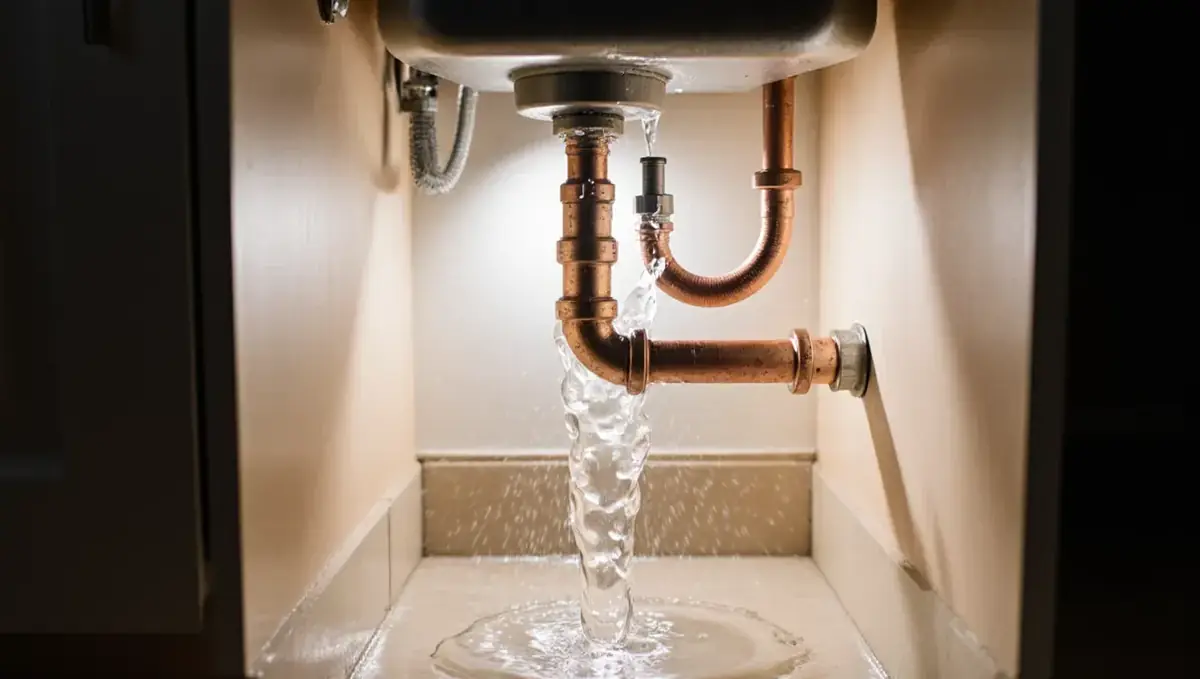
A Desert City Built on a River Delta
Bakersfield gets only about 6.36 inches of precipitation in an average year, and its climate is classified as hot desert. It is easy to assume water damage is someone else's problem here. The ground the city stands on tells a different story.
The Kern River built a broad alluvial plain, an inland delta, at the southern end of the San Joaquin Valley. Early settlers knew the area as Kern Island, a tule-reed marsh, and the river once ran through what is now downtown. In 1861, floods swept away the original settlement that had been founded only a year earlier. Snowmelt kept sending torrential floods toward the city until Isabella Dam was completed upstream in 1953.
Today much of the riverbed through town is usually dry because of diversions, and the Kern River Parkway follows it for roughly 30 miles. That calm look depends on infrastructure. For most households, though, the more common sources of trouble are indoors: a failed water heater, a cracked supply line or a slow leak behind a cabinet. Those everyday events are where water damage restoration in Bakersfield usually starts.
Lake Isabella, the Dam and Living Downstream
Isabella Dam sits about 40 miles northeast of the city and is operated by the U.S. Army Corps of Engineers. In 2006 it was found too unstable to hold a full reservoir, and about 37 percent of a full lake had to be released because the dam crosses an active fault. A retrofit project was substantially completed in 2022.
In February 2023, the Corps asked to let the lake fill to full capacity for the first time in nearly 15 years. That is a reminder that big snow years upstream matter to people who live along the river corridor, even when Bakersfield itself stays dry.
Statewide, the National Weather Service notes that Central Valley floodplains are exposed to river flooding, levee failure and snowmelt. If your home or business is near the river or a canal, it is worth looking up your flood zone and keeping an eye on official notices from the City of Bakersfield and the County of Kern during wet winters.
Pipes, Coolers and Water Heaters in a Hot Climate
Most calls for water damage repair in Bakersfield do not involve weather at all. Long, hot summers put plumbing and appliances to work, and small failures can run unnoticed for hours while a home is empty.
- Water heaters in garages and closets can leak slowly or fail all at once.
- Supply lines to toilets, sinks, refrigerators and washers are a frequent source of sudden indoor flooding.
- Rooftop and window cooling equipment and AC condensate lines can drip into ceilings and walls.
- Roof leaks may only show up during the January to March stretch, when more than half of the year's rain usually falls.
Bakersfield also has a history of strong shaking. The 1952 Kern County earthquake destroyed nearby Tehachapi and Arvin, and an aftershock that August struck directly under the city's center. After any significant quake, check under sinks, around the water heater and along exposed lines for drips. Keep in mind that standard homeowners policies do not cover earthquake damage, apart from fire caused by an earthquake.
Your First Moves After a Kern County Leak
- Close the valve. Find your main shutoff now, before you need it. It is often where the water line enters the house, or in a box near the street.
- Keep away from wiring. Stay out of standing water near outlets, cords or appliances. Shut off breakers to wet rooms only if you can reach the panel from a dry spot.
- Sort out what kind of water it is. A burst supply line is generally Category 1 clean water. Sewer backups and outdoor runoff are Category 3 and need protective gear and professional cleanup.
- Take pictures. Photograph the source, the water line on walls and every damaged item before you move anything.
- Pull out what you can. Move rugs, electronics, papers and small furniture to a dry room.
- Call for help. Dial (888) 817-5061 any time, day or night, and we will connect you with a local restoration professional for emergency water removal.
Extraction and Drying When the Air Is Already Dry
Low humidity helps, but it does not dry the inside of a wall or the pad under carpet on its own. Wet materials still need a plan.
Getting the water out
A restoration crew removes standing water with extraction equipment, which shortens drying time for everything else.
Finding hidden moisture
Moisture meters and thermal imaging show where water has wicked into drywall, baseboards and slab-on-grade flooring. Those readings guide the work and support an insurance file.
Controlled drying
Dehumidifiers and air movers stay in place, with daily readings, until materials test dry. Learn more about structural drying. Drywall or insulation that stayed wet too long is often cut out.
Rebuild
Once the structure is verified dry, repairs replace flooring, drywall, trim and cabinets. See our overview of restoration services for the full process.
Winter Storms, Runoff and Flood Cleanup
When winter storms do arrive, hard-packed yards and streets can shed water quickly toward garages and low entries. Flood cleanup in Bakersfield after outdoor water gets inside should always be treated as contaminated work: wet drywall, insulation and carpet usually come out, and surfaces are cleaned and sanitized before drying begins.
Strong wind can also damage roofs and let rain into attics. Storm damage cleanup typically starts with temporary protection such as tarping, then moves on to drying and repairs. Read more about flood cleanup and storm damage cleanup.
Flood, mudslide and debris flow are not covered by standard homeowners policies, according to the California Department of Insurance. NFIP flood insurance is separate and a new policy generally takes effect 30 days after purchase, so it is not something to buy once a storm is on the forecast.
Mold Removal and Hiring Rules in Kern County
Per EPA guidance, mold can begin growing on damp materials within 24 to 48 hours. Dry outdoor air does not stop it inside a wet wall cavity, under a sink or behind a leaking water heater.
Mold work is less regulated here than many owners expect: California does not have a state license specifically for mold assessors or remediators, according to an industry roundup of state requirements. The Toxic Mold Protection Act of 2001 directed the state health department to study and develop mold standards, but no statewide mold licensing program was found. Mold removal in Bakersfield that involves construction work still falls under Contractors State License Board rules.
Since January 1, 2025, a CSLB license is required for jobs totaling $1,000 or more in labor and materials, or for any job that needs a permit. Check a company with the CSLB Check a License tool, and ask about insurance and training such as IICRC certification. More on mold cleanup.
Homes, Rentals and Commercial Properties
About 40 percent of Bakersfield's housing units were renter-occupied as of 2010, so many water losses involve both a tenant and an owner. Tenants should report leaks to the landlord or manager right away and photograph the damage. Owners should check what their policy requires for notice and mitigation.
Offices, retail spaces, warehouses and agricultural businesses face the same basic process at a larger scale, often with a need to keep part of the building open during drying. Property managers can call (888) 817-5061 to be connected with a local company that handles commercial jobs. Keep moisture logs, invoices and photos together for your adjuster. Claim decisions belong to the insurer, and organized records make that review smoother.
If you have property elsewhere in the valley, see our pages for Fresno and Santa Clarita.
Bakersfield Areas and Kern County Communities
The WaterQ referral line connects callers across Bakersfield and nearby Kern County communities with independent local restoration companies.
Neighborhoods
- Downtown Bakersfield
- East Bakersfield
- North Bakersfield
- Northeast Bakersfield
- Northwest Bakersfield
- Southwest Bakersfield
- Southeast Bakersfield
- South Bakersfield
- West Bakersfield
Nearby communities
- Oildale
- Rosedale
- Lamont
- Greenacres
- Shafter
- Arvin
- Wasco
- Delano
- McFarland
- Taft
- Tehachapi
Bakersfield Water Damage FAQ
Bakersfield barely gets rain. What usually causes water damage here?
Most cases come from plumbing and appliances, such as water heaters, supply lines, washers and cooling equipment condensate. Roof leaks tend to show up from January to March, when more than half of the year's rain usually falls.
Why does Isabella Dam matter to Bakersfield homeowners?
Before the dam was finished in 1953, Kern River snowmelt periodically flooded Bakersfield. The Army Corps of Engineers operates the dam and completed most of a safety retrofit in 2022. People near the river corridor should still know their flood zone.
Will my homeowners policy pay for earthquake-related leaks?
Standard homeowners policies do not cover earthquake damage, apart from fire caused by an earthquake. California insurers must offer earthquake coverage, and the California Earthquake Authority sells policies through participating insurers. Ask your agent how a broken pipe after a quake would be handled.
Does a mold remediation company need a license in California?
California has no state license specifically for mold remediators, according to an industry roundup. Work that involves construction falls under CSLB rules, and jobs of $1,000 or more or those needing a permit require a CSLB license.
Is WaterQ a Bakersfield restoration company?
No. WaterQ is a free referral service available 24/7. We connect you with an independent local restoration company, and that company inspects the damage and does the work.
Local emergency and flood resources
Official sources for alerts, flood maps and preparedness in and around Bakersfield: