Where Two Creeks Become a River
Temecula sits at about 1,020 feet in the Temecula Valley, with Murrieta to the north and the Pechanga Indian Reservation and San Diego County line to the south. Its defining water feature is the meeting of two creeks: Murrieta Creek and Temecula Creek join about half a mile southeast of the city center to form the head of the Santa Margarita River.
Murrieta Creek alone runs 13 miles through Wildomar, Murrieta and Temecula and drains more than 220 square miles, collecting flow from tributaries such as Warm Springs Creek and Tucalota Creek below Lake Skinner. A lot of upstream land funnels toward one valley, so heavy rain far to the north can matter here.
Water has shaped Temecula before. In the late 1880s, a series of floods washed out the railroad tracks through the canyon, and that section of line was eventually abandoned.
Rainy Season in a Semi-Arid Valley
Temecula averages about 13.05 inches of precipitation a year, with February usually the wettest month at roughly 3.74 inches. Most months are dry, and that is part of the problem: hard, dry ground and long paved streets shed water quickly when a strong storm finally arrives.
Statewide, Southern California has seen how extreme a single storm can be. When Tropical Storm Hilary moved through in August 2023, it caused catastrophic flash flooding and debris flows across the region. Back-to-back winter atmospheric rivers can have a similar effect as soils stay saturated.
- Look up your address on Riverside County Flood Control's Am I in a Floodplain? map.
- Keep yard drains, gutters and side-yard swales clear before winter.
- Never drive or walk into moving water at a creek crossing.
For water that reaches living areas, see flood damage restoration.
Wind, a Rare Tornado and Roof Openings
From late fall into winter, strong, dry Santa Ana winds blow out of the northeast. They can lift roof tiles, damage flashing around vents and chimneys, and pile debris in gutters. Temecula has even recorded a rare F1 tornado, which touched down in a neighborhood on February 19, 2005.
Wind damage often turns into water damage at the next rain. If you notice a new ceiling stain, a drip from a can light or damp insulation after a storm, the roof is the first place to look. A local crew can help with tarping, extraction and drying as part of storm damage cleanup.
Leaks in a City That Grew Up Fast
Temecula's growth was dramatic. The population went from 1,783 in 1980 to 27,099 in 1990, then to 57,716 by 2000 and past 100,000 by 2010, much of it after Interstate 15 was completed in 1985. The city incorporated in 1989 and annexed the Redhawk master-planned community in 2005.
That means a large share of homes were built in the same few decades, and their original components are aging at the same time. Water heaters, supply lines, angle stops and washing machine hoses are common culprits in the earliest subdivisions. Hot summers add strain on AC condensate lines and drain pans.
A plumbing leak that runs overnight can soak carpet, baseboards and the bottom of drywall in several rooms. Shut off the main and call (888) 817-5061 so we can connect you with a local company for water extraction.
What Happens on a Restoration Job
- Make it safe. Stop the source and keep away from wet outlets and appliances.
- Document. Take photos and video of the source and every wet area before anything is moved.
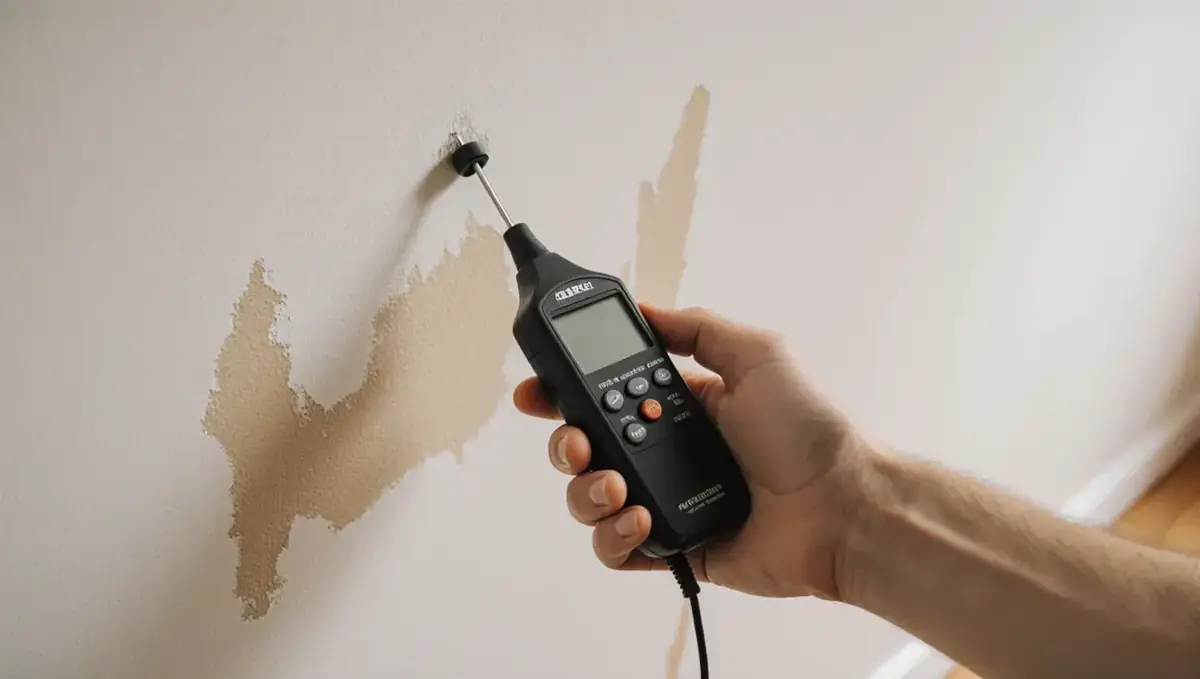
- Inspect and classify. The restoration company identifies whether it is clean, gray or black water and maps moisture with meters and thermal imaging.
- Extract and remove. Standing water is pulled out, and materials that cannot be saved, such as soaked pad or lower drywall, are removed.
- Dry and verify. Air movers and dehumidifiers run with daily readings during structural drying.
- Repair. With dry readings confirmed, water damage repair restores drywall, flooring, cabinets and paint.
Keeping Mold Out of Temecula Homes
Following EPA guidance, damp materials can develop mold within one to two days. In Temecula, hidden moisture is the usual cause: a slow leak under a kitchen sink, a shower pan failure or water trapped under tile and laminate after a quick surface cleanup.
Based on available information, California has no statewide license designed specifically for mold remediators or assessors. Mold work that involves construction is still covered by Contractors State License Board rules, and since January 1, 2025, a CSLB license is needed for jobs adding up to $1,000 or more in labor and materials, or any job requiring a permit. Look up a company with CSLB's Check a License tool and ask about its training, for example IICRC certification. More on mold removal.
Wineries, Rentals and Insurance Paperwork
Temecula Valley Wine Country has nearly 50 wineries and more than 3,500 acres of vineyards, along with tasting rooms, event venues and rural homes on larger lots. Water losses in a production building, restaurant or rental property need fast drying and careful records for owners, tenants and insurers. Business owners can call (888) 817-5061 any time, day or night.
For homeowners, a key point from the California Department of Insurance: flood, mudslide and debris flow are left out of standard homeowners policies. NFIP flood coverage includes mudflow but not landslides, and a new policy typically takes about 30 days to begin. Report losses promptly and keep photos, drying logs and invoices together. WaterQ also connects callers in nearby Murrieta.
Temecula Neighborhoods and Nearby Valley Communities
WaterQ's free referral line connects callers across Temecula and the surrounding southwest Riverside County communities with independent local restoration companies.
Neighborhoods
- Old Town Temecula
- Redhawk
- Vail Ranch
- Temecula Valley Wine Country
Nearby communities
- Murrieta
- French Valley
- Wildomar
- Lake Elsinore
- Menifee
- Pechanga Indian Reservation
- Fallbrook
- Hemet
- Aguanga
Temecula Water Damage FAQ
Where do Murrieta Creek and Temecula Creek meet?
The two creeks join about half a mile southeast of Temecula's city center to form the head of the Santa Margarita River. Murrieta Creek drains more than 220 square miles upstream, so storms well north of the city can raise its flow.
How can I find out if my Temecula home is in a floodplain?
Riverside County Flood Control offers an Am I in a Floodplain? online map, and FEMA's Flood Map Service Center shows official flood zones. For non-emergency flooding, the district lists (951) 955-1200 during business hours and (951) 955-1230 after hours.
Will homeowners insurance pay for storm water that floods my house?
Usually not. Per the California Department of Insurance, standard homeowners policies exclude flood, mudslide and debris flow. NFIP flood insurance can cover mudflow but not landslides, and new policies generally take effect after 30 days.
Can WaterQ help a winery or commercial building?
Yes. The line is available 24/7 for homes and businesses, and we connect you with an independent local restoration company that can handle commercial drying.
Is WaterQ the company that comes out?
No. WaterQ is a free referral service. Calling (888) 817-5061 connects you with an independent local restoration company, which inspects, estimates and completes the work.
Local emergency and flood resources
Official sources for alerts, flood maps and preparedness in and around Temecula: