Creeks That Run From the Santa Ynez Mountains to the Shore
Santa Barbara is squeezed into a narrow coastal plain between the Santa Ynez Mountains and the Pacific, on the longest south-facing coastline on the West Coast outside Alaska. Downtown sits at about 49 feet, but the mountains rise steeply just behind the city.
Short, steep creeks connect the two. Mission Creek, the creek in Sycamore Canyon and Arroyo Burro carry mountain runoff across neighborhoods to the ocean and the harbor. In a heavy storm these channels can rise fast, and the coastal plain itself is built partly on old debris-flow deposits, a sign of how much material the mountains have sent downhill over time.
The city averages roughly 19 inches of rain a year, more than many Southern California coastal cities, with January and February each averaging about 4.4 inches. Most of that falls in a handful of storms, so drainage, roofs and grading get tested hard in a short window.
Fire Seasons and the Lesson of January 2018
Wildfire is part of life on Santa Barbara's mountain front. The 1990 Painted Cave Fire, the 2008 Tea Fire, which destroyed 210 homes, the 2009 Jesusita Fire and the 2017 Thomas Fire all burned the slopes above the city and its neighbors.
The danger does not end when the fire is out. On January 9, 2018, about half an inch of rain fell in five minutes on the Thomas Fire burn scar above neighboring Montecito. Mud and boulders raced down the creeks, killing 23 people, destroying more than 100 homes and damaging 300 more. U.S. 101 was closed until January 21, cutting off Santa Barbara's direct road link to Los Angeles.
For homes in the Riviera, Mission Canyon, San Roque and other foothill areas, that history is worth taking to heart:
- Follow evacuation guidance from the county's ReadySBC emergency site during storms after a fire.
- Keep culverts, swales and creek-side drains clear of brush and debris.
- Plan on a longer wait for materials or crews if major roads close.
When mud does get inside, storm damage cleanup begins with careful removal of sediment and contaminated materials.
Restoring Spanish Colonial Revival and Older Homes
The magnitude 6.3 earthquake of 1925 damaged much of downtown and killed 13 people. Rebuilding favored Spanish Colonial Revival and Mediterranean Revival design, which still gives the city its look today.
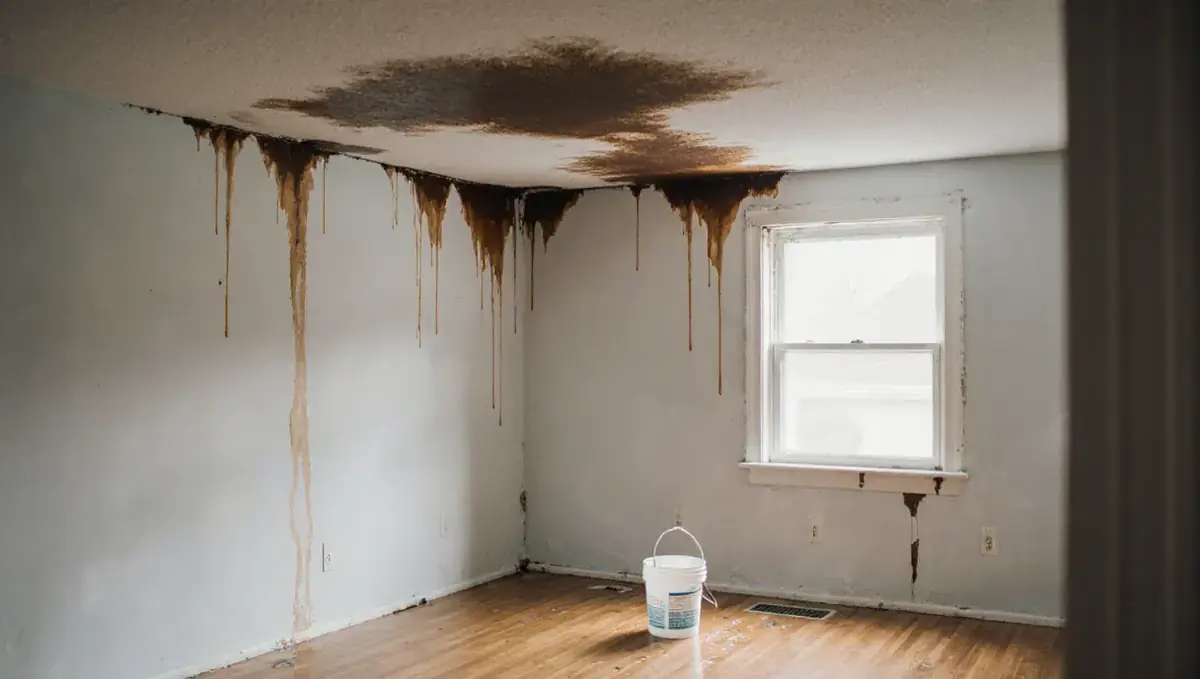
Those buildings bring their own water damage concerns. Clay tile roofs can hide cracked underlayment, flat roof sections and parapets can trap water, and thick plaster walls hold moisture for a long time. A good restoration plan for an older Santa Barbara home tries to dry and save original plaster, tile and wood where possible instead of tearing everything out.
Ask the company you hire how it will protect historic finishes, and talk with the City about any permits before structural repairs. Problems such as blocked storm drains or creek pollution can be reported through the City's SB Connect system.
Steady Steps for the Moment You Find Water
- Stop it at the valve. Close the fixture supply or the main. In older homes the main may be in a basement, crawlspace or near the street.
- Put safety first. Keep away from water near wiring, outlets and appliances. Only touch the breaker panel from dry ground.
- Classify the water. Clean supply-line water is Category 1. Creek overflow, mud and sewage are Category 3 and should be treated as contaminated.
- Gather evidence. Take wide photos of each room, then close-ups of the source and damaged items.
- Save what you can. Move art, rugs, paperwork and electronics out of harm's way.
- Line up help. Ring (888) 817-5061, and WaterQ will match you with a South Coast restoration provider for emergency water extraction.
Inside a Santa Barbara Drying and Repair Job
Water damage restoration in Santa Barbara moves through a predictable set of stages, adapted to each building.
Remove the water
Extractors pull water out of carpets, rugs and hard floors. With mud or creek water, the crew also removes sediment and porous materials that cannot be sanitized.
Measure the moisture
Moisture meters and thermal cameras show how far water traveled under tile, into plaster and behind built-ins. Those readings guide the drying plan and support your claim.
Dry with control
Coastal air slows natural drying, so dehumidifiers and air movers run until readings reach dry standards. Our structural drying page explains the process.
Repair and rebuild
Then comes water damage repair. California's CSLB requires a license for work of $1,000 or more in labor and materials, or any job that needs a permit, and you can verify a license online.
Mold Cleanup in a Mild, Damp Coastal Climate
Mold can begin growing on wet drywall, wood and fabric within 24 to 48 hours, based on EPA guidance. Santa Barbara's mild temperatures and marine air mean a hidden leak can feed mold quietly for weeks.
An industry roundup of state rules lists California as having no license aimed specifically at mold assessors or remediators. Under the Toxic Mold Protection Act of 2001, the state health department was tasked with studying and developing mold standards, yet we could not find any statewide mold licensing program. If remediation includes construction, CSLB contractor licensing rules still apply.
For mold removal in Santa Barbara, expect containment, removal of affected porous materials and cleaning of what can be saved. See our mold removal overview.
Coverage for Mudflow, Earthquake and Everyday Leaks
- Mud and flood are excluded from most homeowners policies. The California Department of Insurance notes that standard policies do not cover flood, mudslide or debris flow. An NFIP policy covers mudflow but not landslide and normally takes effect 30 days after purchase.
- Earthquake needs its own policy. Homeowners coverage does not include earthquake damage apart from fire caused by a quake. The California Earthquake Authority sells policies through participating insurers.
- Burn scars raise risk for years. Homes below a recent fire area face higher flood and debris-flow risk for several rainy seasons.
- Keep thorough records. Photos, moisture logs and invoices make claims smoother for homeowners, landlords and businesses downtown.
WaterQ has no say in what an insurer pays, but it can link you with local pros who keep careful records. Call (888) 817-5061, available 24/7.
Santa Barbara Neighborhoods and Surrounding Communities
WaterQ's free referral line connects callers throughout Santa Barbara and the South Coast with independent local restoration companies.
Neighborhoods
- Downtown
- Funk Zone
- Mesa
- Riviera
- Upper State Street
- San Roque
- Samarkand
- Upper Eastside
- Lower Eastside
- Westside
- Mission Canyon
Nearby communities
- Goleta
- Montecito
- Isla Vista
- Carpinteria
- Hope Ranch
- Summerland
Santa Barbara Water Damage FAQ
Why is debris flow such a concern in Santa Barbara?
Steep mountains rise directly behind the city, and wildfires regularly burn those slopes. Burned ground sheds rain quickly, and in January 2018 intense rain on the Thomas Fire scar sent deadly debris flows into neighboring Montecito.
How much rain does Santa Barbara get?
About 19 inches a year on average, with January and February the wettest months at roughly 4.4 inches each. Most of it arrives in a few winter storms.
Can plaster walls in an older Santa Barbara home be dried instead of replaced?
Often, yes. Plaster holds moisture longer than drywall, but with proper dehumidification and monitoring many original walls can be dried and saved. A restoration company can tell you after taking moisture readings.
Where do I find emergency information for Santa Barbara County?
ReadySBC, run by the Santa Barbara County Office of Emergency Management, offers preparedness, emergency and recovery information, maps and news.
Is WaterQ a Santa Barbara restoration company?
No. WaterQ is a free referral service that connects you with an independent local restoration company, which inspects the damage and does the work. You can call any time, day or night.
Local emergency and flood resources
Official sources for alerts, flood maps and preparedness in and around Santa Barbara: