Three Lagoons, Two Creeks and a Bluff-Top Coast
Carlsbad covers about 39 square miles of North County coastline, where ocean-side cliffs front wide sandy beaches. The city is defined by water in a way few places are, with three coastal lagoons spread along its shore:
- Buena Vista Lagoon on the northern border with Oceanside, fed by Buena Vista Creek.
- Agua Hedionda Lagoon near the center of the city, fed by Agua Hedionda Creek and kept open to the ocean by dredging every two to four years since 1954.
- Batiquitos Lagoon on the southern border with Encinitas, a 610-acre lagoon that collects water from San Marcos Creek and Encinitas Creek across a drainage basin of about 55,000 acres.
Lake Calavera sits farther inland. Homes near lagoon edges, creek corridors and canyon bottoms are where storm runoff naturally gathers, while bluff-top and hillside properties deal more with roof and drainage issues.
Carlsbad's Short Rainy Season
Carlsbad averages about 263 sunny days a year and around 11.84 inches of precipitation, most of it in winter. January is typically the wettest month at about 2.94 inches.
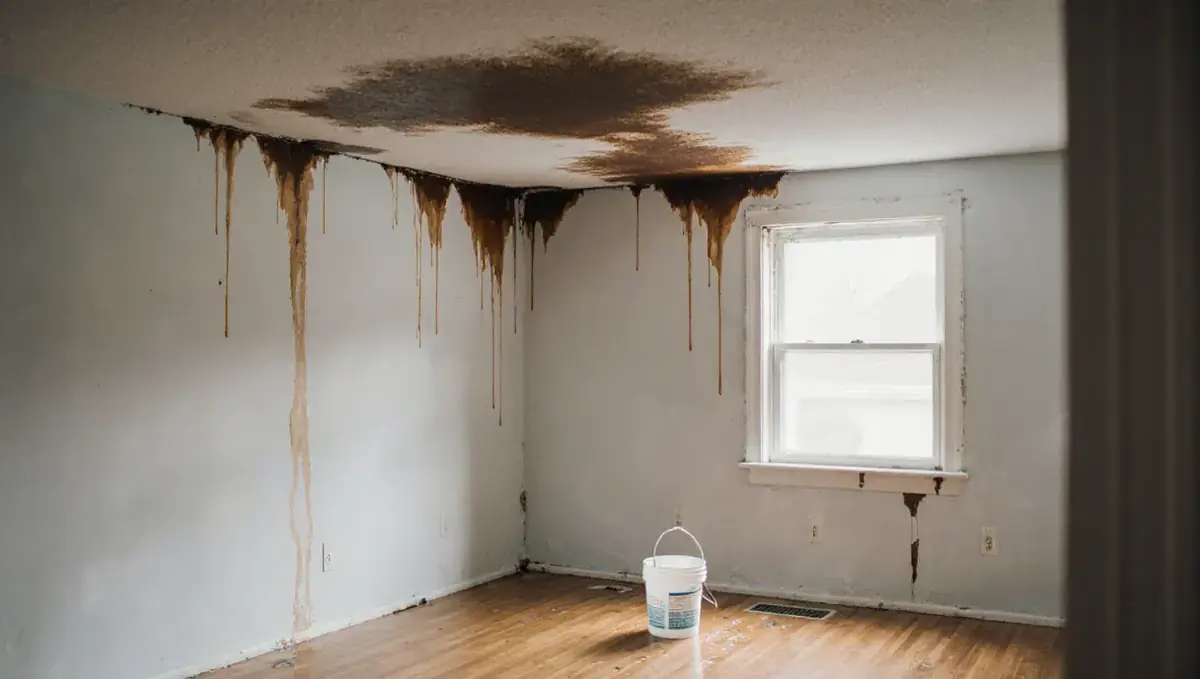
Statewide, atmospheric rivers drive most major California floods, and they often arrive in back-to-back waves. In a city with so many dry months, roof flashing, skylights, sliding door tracks and gutters can go untested until a strong storm finds the weak spot. Ceiling stains, swollen baseboards and water at the threshold of a patio door are typical first signs.
When that happens, storm damage cleanup covers emergency tarping, removal of wet debris and drying. Call (888) 817-5061 and we will connect you with a local company.
After the Poinsettia Fire: Wildfire and Water
Fire is part of Carlsbad's water story too. The Poinsettia Fire burned about 600 acres in the city from May 14 to 17, 2014, destroying eight homes, an 18-unit condominium complex and two commercial buildings. It was the second most destructive of the May 2014 San Diego County wildfires.
Across California, burned slopes shed water and soil far faster than vegetated ones, and heavy rain over a burn scar can send mud and debris downhill for several rainy seasons. Firefighting itself also leaves water behind in homes that survive a fire.
If your home took on water from fire suppression, mud or storm runoff, a local provider can handle extraction, cleaning and structural drying. Review Alert San Diego's wildfire and flood preparedness guidance before the next season.
What to Do the Moment You Find Water
- Find the shutoff. Close the fixture valve or the main supply line to the house.
- Keep electrical safety first. Do not touch switches or cords while standing in water. Turn off a breaker only from a dry location.
- Know the category. Clean supply water is Category 1. Water from a toilet overflow is Category 2. Storm runoff, lagoon or creek water and sewage are Category 3.
- Take photos and video. Record the source and all damage before cleanup.
- Protect contents. Move rugs, artwork, paperwork and electronics to a dry area.
- Call for extraction. Mold can begin growing within 24 to 48 hours, so get water extraction started quickly.
Drying a Carlsbad Home the Right Way
A careful restoration job is measured, not guessed. The company you are connected with will typically:
Measure
Moisture meters and thermal imaging trace water under tile and wood flooring, inside walls and behind cabinets, including spots you cannot see.
Remove
Extractors pull out standing water. Saturated pad, insulation and drywall that cannot be dried, or that touched contaminated water, are cut out.
Dry and verify
Air movers and dehumidifiers run, with daily readings logged until materials meet dry standards.
Repair
Water damage repair restores drywall, paint, flooring and cabinetry. California requires a CSLB license for jobs of $1,000 or more in labor and materials, or any job needing a permit, so check the license online before work starts.
Mold Prevention Near the Coast
Mild coastal weather does not cause mold on its own, but it does nothing to dry out a wet wall cavity. Leaks behind showers, under sinks and around windows are the usual sources of mold problems in local homes.
Reporting from an industry roundup of state requirements indicates California has no license tailored to mold assessors or mold remediators. While the Toxic Mold Protection Act of 2001 directed state health officials to research and develop mold standards, a statewide mold licensing program has not been found. Any remediation that crosses into construction remains under CSLB licensing.
Professional mold removal in Carlsbad generally includes containment, removal of affected materials, HEPA cleaning and confirmation that the area is dry. Ask any provider about insurance and training such as IICRC certification.
Owners, Renters and Insurance Documentation
About 65 percent of Carlsbad's occupied homes are owner-occupied and about 35 percent are rentals, so both owners and tenants often have a stake in the same leak.
- Flood and mud are not standard coverage. The California Department of Insurance notes homeowners policies exclude flood, mudslide and debris flow; NFIP policies cover mudflow and generally have a 30-day waiting period.
- Renters should report fast. Notify the landlord or HOA in writing, and photograph personal property for a renters claim.
- Get county alerts. Sign up through AlertSanDiego for emergency notifications.
- Save the drying records. Moisture logs, photos and invoices support a smoother claim.
Homeowners, landlords and businesses can call (888) 817-5061 to be connected with local help for water damage restoration in Carlsbad.
Carlsbad Neighborhoods and Nearby Coastal Cities
WaterQ's free referral line connects callers from the Village to La Costa, and in neighboring North County cities, with independent local restoration companies.
Neighborhoods
- Carlsbad Village
- The Barrio
- Olde Carlsbad
- La Costa
- Aviara
- Bressi Ranch
- Calavera Hills
Nearby communities
Carlsbad Water Damage FAQ
What are Carlsbad's three lagoons?
Buena Vista Lagoon on the Oceanside border, Agua Hedionda Lagoon near the city center, and Batiquitos Lagoon on the Encinitas border. Each collects runoff from creeks, so properties near their edges should know their flood zone.
When is the rainy season in Carlsbad?
Most rain falls in winter, and January is typically the wettest month at about 2.94 inches. The city averages roughly 11.84 inches of precipitation a year.
Can a wildfire raise my risk of water damage?
It can. Burned hillsides shed water, soil and debris quickly when heavy rain follows, and homes that survive a fire are often soaked by firefighting water. Carlsbad's 2014 Poinsettia Fire burned about 600 acres in the city.
Do Carlsbad mold remediators need a state license?
California does not have a state license specifically for mold assessors or remediators, according to an industry roundup. Remediation that involves construction still falls under CSLB contractor licensing.
Is WaterQ a local restoration company?
No. WaterQ is a free referral service, available 24/7. We connect you with an independent, local restoration company that performs the inspection and the work.
Local emergency and flood resources
Official sources for alerts, flood maps and preparedness in and around Carlsbad: