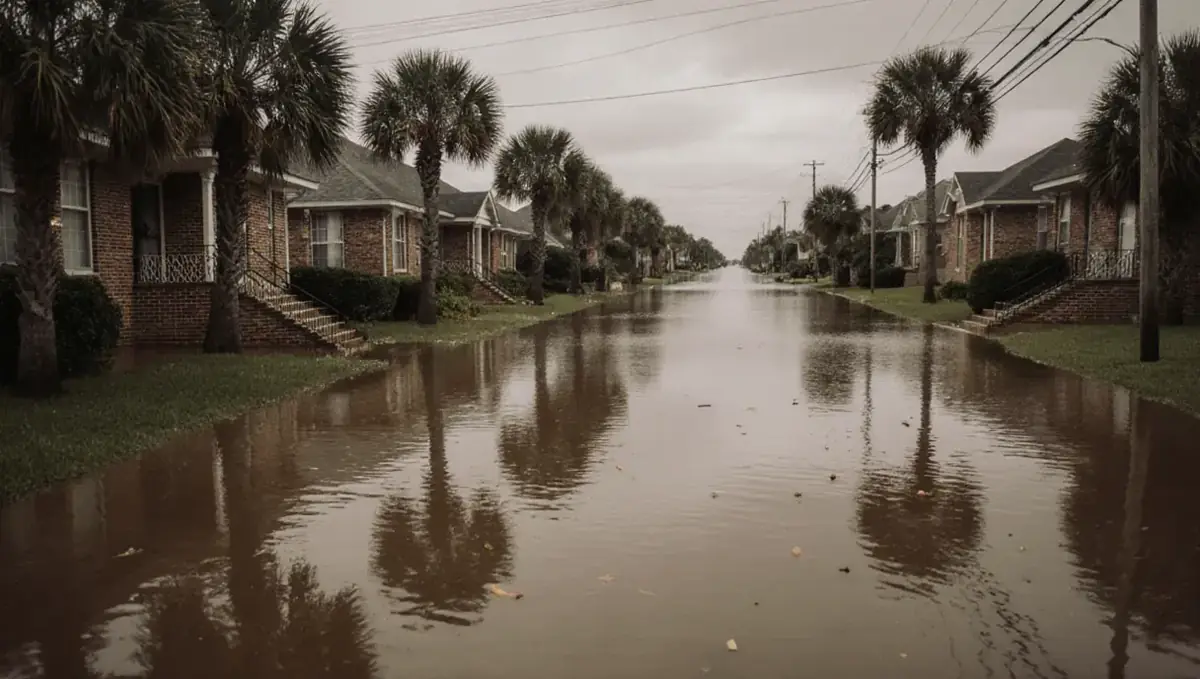
A City Built Around Bays, Canals and a River Mouth
Few Southern California cities are as tied to the water as Long Beach. Roughly a third of the city's 78 square miles is water, and it wraps around San Pedro Bay about 20 miles south of downtown Los Angeles. The Los Angeles River empties into the bay on the Long Beach side, and to the east, Alamitos Bay sits at the mouth of the San Gabriel River, with the canal islands of Naples in the middle of it.
That setting shapes the kinds of water damage people here call about:
- Coastal storm surge and sea level rise. The City's Climate Action and Adaptation Plan names both among the hazards it is preparing for, which matters most for bayfront blocks in Naples, Belmont Shore and the Peninsula.
- Old seawalls. Naples was built with about 13,000 linear feet of concrete bulkhead. Work to replace the aging seawall began in 2015 but has stalled over funding.
- Short, heavy rainy seasons. Long Beach averages about 12 inches of rain a year, and about 81 percent of it falls from December through March.
- Everyday plumbing failures. Water heaters, washing machine hoses and supply lines cause damage all year, rain or no rain.
Your First Hour With a Leak or Flooded Room
- Shut off the water. Close the fixture valve or the main. In an apartment, ask the manager where your unit's shutoff is before you need it.
- Stay clear of electricity. Keep out of standing water near outlets, cords or appliances, and only switch off a breaker if you can reach it from a dry spot.
- Judge the water. A clean supply-line leak (Category 1) is very different from street runoff or bay water pushed inland (Category 3), which should be treated as contaminated.
- Take pictures. Photograph the source, the water line on walls and every damaged item before you move things.
- Protect belongings. Lift furniture off wet carpet and move rugs, papers and electronics to a dry room.
- Call for help. A local pro can start emergency water extraction and set up drying equipment.
Mold can begin growing on wet materials within 24 to 48 hours, so it pays to get drying underway early.
From Extraction to Rebuild: How Long Beach Jobs Usually Run
Removing the water
Crews use portable or truck-mounted extractors to pull water from carpet, pad and hard floors. The sooner bulk water is gone, the less wicks up into drywall and baseboards.
Finding hidden moisture
Moisture meters and thermal cameras show where water moved under flooring, behind cabinets or into the unit next door. Those readings guide the drying plan and support your insurance file.
Drying the structure
Air movers and dehumidifiers run until readings reach dry standards. Wet insulation or soaked drywall may be cut back so the cavity can dry. You can read more about structural drying here.
Putting it back together
Once materials test dry, the job shifts to water damage repair, such as new drywall, flooring and trim. California's CSLB requires a contractor license for jobs of $1,000 or more in labor and materials, or any job that needs a permit, so check the license before signing.
Winter Storms, Storm Surge and the River's Edge
The Los Angeles River carries runoff from a huge part of the region down to Long Beach. In the 1938 flood, a bridge at the mouth of the river collapsed and ten people died. The river has since been heavily engineered, but neighborhoods near its banks and near the San Gabriel River still see the effects of big winter storms, especially when drains back up.
On the coast, storm surge and high water can push into low-lying bayfront streets. The City also lists tsunamis among the hazards tied to its Pacific Rim location. After any storm, flood cleanup starts with removing contaminated water and materials, then cleaning, sanitizing and drying. For roof leaks and wind-driven rain, local pros also handle storm damage cleanup in Long Beach.
Sign up for Alert Long Beach to receive emergency notices by text, voice or email.
Mold After a Leak Near the Coast
Long Beach is mild year-round, and a leak inside a wall or under a sink can stay damp for weeks without anyone noticing. Musty smells, bubbling paint and dark spots on baseboards are common early signs.
California does not have a state license specifically for mold assessors or remediators, according to an industry roundup of state requirements, and we found no statewide mold licensing program. Remediation that involves construction work still falls under CSLB contractor licensing rules, so ask for a license number and look it up before work begins. For mold cleanup in Long Beach, learn how containment and cleanup work on our mold removal page.
Insurance Points for Long Beach Owners and Renters
- Flood needs its own policy. According to the state Department of Insurance, a regular homeowners policy leaves out flood, mudslide and debris flow. NFIP flood policies generally take effect 30 days after purchase.
- Earthquake is separate too. Homeowners policies do not cover earthquake damage, apart from fire caused by an earthquake. The California Earthquake Authority sells policies through participating insurers.
- Renters need their own coverage. A landlord's policy usually covers the building, not your furniture and electronics.
- Keep the paper trail. Hold on to your photos, repair receipts, and the drying logs your restoration company produces.
Nobody at WaterQ can tell you how an adjuster will decide, yet a thorough file tends to make that conversation smoother. Call (888) 817-5061 when you are ready to be connected with a local restoration company.
Long Beach Neighborhoods and Neighboring Cities
WaterQ's free referral line connects callers from the harbor to El Dorado Park with independent restoration providers serving Long Beach and the surrounding cities.
Neighborhoods
- Downtown Long Beach
- East Village
- Alamitos Beach
- Belmont Heights
- Belmont Shore
- Naples
- Peninsula
- Bluff Park
- Bixby Knolls
- California Heights
- Los Cerritos/Virginia Country Club
- Wrigley
- North Long Beach
- West Long Beach
- El Dorado Park Estates
- Los Altos
- University Park Estates
- Lakewood Village
- Marina Pacifica
- Cambodia Town
Nearby communities
- Signal Hill
- Lakewood
- Seal Beach
- Carson
- Bellflower
- Paramount
- Los Alamitos
- Compton
- Cerritos
- Hawaiian Gardens
Long Beach Water Damage FAQ
When does Long Beach get most of its rain?
About 81 percent of Long Beach's roughly 12 inches of annual rain falls from December through March. Clearing gutters and drains in the fall helps you get ahead of the first big storm.
A neighbor's leak came through my apartment ceiling. What should I do?
Tell your landlord or building manager right away, photograph the damage and move belongings out of the way. Moisture readings from a restoration company can show how far the water traveled, which helps owners and insurers sort out responsibility.
Does homeowners insurance cover bay or storm surge flooding?
Generally no. Flood is covered by an NFIP or private flood policy, not a standard homeowners policy, and NFIP policies usually have a 30-day waiting period before they take effect.
Is mold remediation licensed in California?
California does not appear to have a state license specifically for mold remediators. Work that involves construction is covered by CSLB contractor licensing, so ask for a license number and check it with the CSLB.
Will WaterQ itself come to my Long Beach property?
No. WaterQ is a free referral service. The line is available 24/7 and connects you with an independent, local restoration company that performs the inspection and the work.
Local emergency and flood resources
Official sources for alerts, flood maps and preparedness in and around Long Beach: