A Hillside City at the Foot of the Puente Hills
Whittier sits higher than most of the Los Angeles Basin, at about 367 feet, across 14.7 square miles on the southern side of the Puente Hills. Locally, the western end of that range is called the Whittier Hills, and its open space, including Hellman Wilderness Park, rises north of Whittier Boulevard.
That setting shapes how water behaves. Whittier averages about 14 inches of rain a year, a little more than many coastal cities, and nearly all of it falls in winter. On sloped lots, runoff moves downhill quickly and can push against foundations, pool at the back of a house or find its way into a garage. On flatter streets, heavy downpours are more likely to back up drains and gutters.
The City of Whittier opens sandbag distribution when rain is in the forecast. Placing sandbags to steer water away from doors and garages before a storm is one of the easiest ways to prevent flood cleanup in Whittier afterward.
What the 1987 Earthquake Means for Water Damage Today
At 7:42 a.m. on October 1, 1987, a magnitude 5.9 earthquake struck at Whittier Narrows. Eight people were killed, and many of Uptown Whittier's historic buildings were damaged. The quake revealed a previously unknown fault, now called the Puente Hills thrust system, which runs from downtown Los Angeles toward the Puente Hills.
Earthquakes and water damage are closely linked. Shaking can break supply lines, crack drain pipes, topple unstrapped water heaters and set off fire sprinklers, sometimes in many buildings at once. In 1987, more than 1,000 gas leaks were reported across the region.
Standard homeowners policies exclude earthquake damage, apart from fire caused by a quake. Separate coverage is available through participating insurers, including policies from the California Earthquake Authority. Strapping the water heater and knowing where your main water and gas shutoffs are can make a big difference after shaking.
Historic Uptown Buildings and Aging Plumbing
Uptown Whittier's old commercial district holds the city's oldest buildings, which were also damaged by an earthquake in 1929. Older roofs, parapets, windows and plumbing are more likely to leak, and water can travel a long way through plaster walls and wood framing before anyone sees it.
Across the city's roughly 30,000 housing units, the most common culprits are familiar:
- Water heaters and washing machine hoses that fail without warning
- Worn supply lines and angle stops under sinks and toilets
- Drain and sewer backups into lower floors
- Roof leaks after a long dry season
- Water entering at the uphill side of a house during long storms
Owners of older commercial buildings and rental properties can call (888) 817-5061 to be connected with a local provider for water damage repair and drying.
Immediate Steps for Whittier Residents
- Stop the source. Close the fixture valve or main shutoff. If water is coming in from outside, redirect it with sandbags or towels only if it is safe.
- Avoid electrical danger. Do not walk through water near outlets or appliances. After an earthquake, leave if you smell gas.
- Classify the water. Category 1 is clean supply water. Sewer backups and storm runoff are Category 2 or 3 and should be handled as contaminated.
- Photograph everything. Document the source, the water level and damaged items for your insurer.
- Move valuables. Relocate rugs, electronics, papers and keepsakes to a dry room.
- Call for help. We connect you with a local company for water extraction and drying, any time of day.
How Restoration Crews Handle a Whittier Job
Water damage restoration in Whittier generally moves through a few stages.
Extraction and cleanup
Standing water is removed from carpet, pad and hard floors. If outdoor runoff or sewage was involved, affected porous materials are removed and surfaces are cleaned and sanitized.
Moisture tracing
Meters and thermal cameras show where water went inside walls, under floors and into lower levels. The readings drive the drying plan and are kept for insurance.
Drying
Dehumidifiers and air movers run until materials reach dry standards, with progress checked along the way. Learn about structural drying.
Repairs
Drywall, plaster, flooring and trim are repaired once the structure is dry. In older buildings, ask whether repairs may require permits. It is also reasonable to ask any company about its licensing, insurance and training, for example IICRC certification.
Storm Damage Cleanup and Mold Control
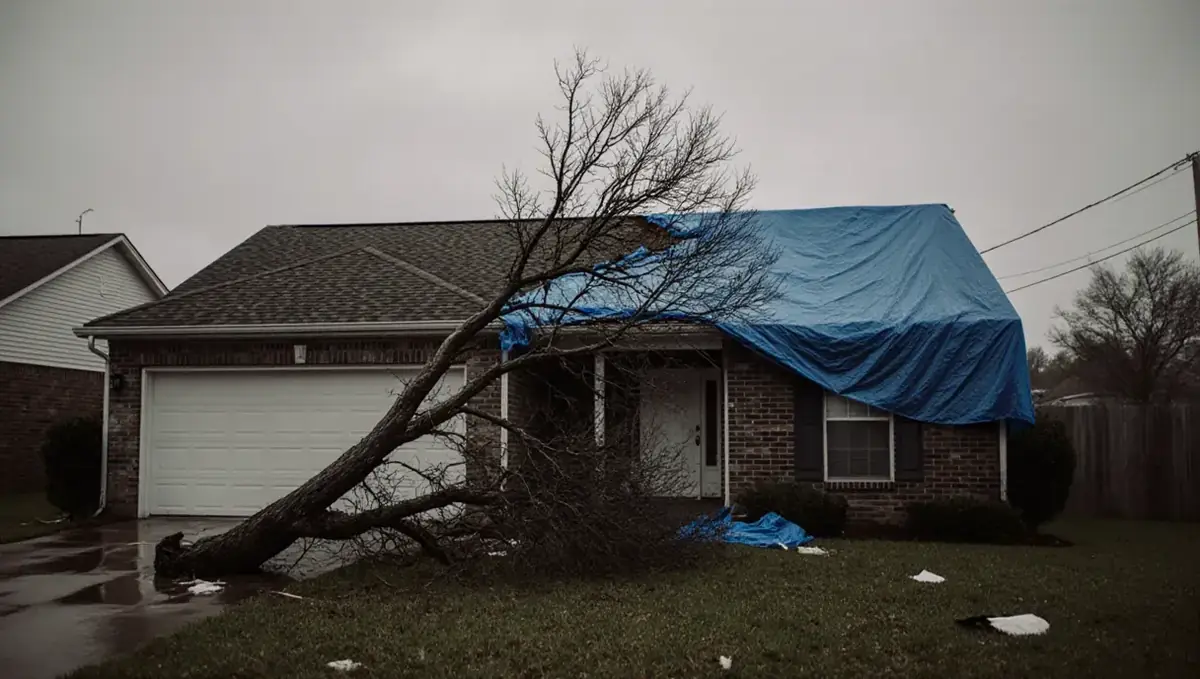
Southern California's largest rainstorms usually arrive as atmospheric rivers. In February 2024, downtown Los Angeles recorded 7.03 inches in two days, and landslides were reported across the region. In Whittier, storms like that can tear roofing, overwhelm hillside drainage and push water under doors. Storm damage cleanup often starts with tarping and temporary protection before drying begins.
Mold can begin growing within 24 to 48 hours on materials that stay wet, according to EPA guidance. Mold cleanup in Whittier works best once the leak or drainage problem is fixed.
California has no state license that specifically covers mold assessors or remediators, according to an industry roundup of state requirements. Remediation involving construction falls under the Contractors State License Board, and since January 1, 2025, a CSLB license is required for jobs of $1,000 or more or any job needing a permit. See mold removal for more.
Insurance Details Whittier Owners Often Miss
- Flood and mudflow: The California Department of Insurance says standard homeowners policies exclude flood, mudslide and debris flow. NFIP flood insurance covers mudflow but not landslides, and new policies generally take effect after 30 days.
- Earthquake: Needs separate coverage, as noted above.
- Sudden versus gradual: Many policies treat a sudden pipe burst differently from a slow leak, so report damage promptly.
- Records: Keep photos, moisture logs, invoices and drying reports in one place.
WaterQ has no say in how a claim is decided, but solid documentation helps. When you are ready, call (888) 817-5061 to be connected with a local restoration company for a home or business.
Whittier Districts and Neighboring Communities
Our free referral line connects callers throughout Whittier and nearby communities on both sides of the Puente Hills with independent local restoration providers.
Neighborhoods
- Uptown Whittier
- Friendly Hills
- College Hills
- Central Park
- Hadley-Greenleaf
- Starlite Estates
- East Whittier
Nearby communities
- Hacienda Heights
- City of Industry
- Pico Rivera
- La Habra Heights
- La Habra
- Santa Fe Springs
Whittier Water Damage FAQ
Does homeowners insurance cover water damage after an earthquake in Whittier?
Standard homeowners policies exclude earthquake damage except fire caused by a quake. Separate earthquake coverage, including California Earthquake Authority policies sold through participating insurers, may apply. Check your policy wording on broken pipes after shaking.
Where can I get sandbags in Whittier?
The City of Whittier opens sandbag distribution when rain is in the forecast, and Ready LA County lists county sandbag locations. Pick them up before the storm arrives.
How much rain does Whittier get each year?
Mean annual rainfall in Whittier is about 14 inches, falling mostly in winter. A single strong storm can still bring enough rain to cause roof leaks and runoff problems.
Who actually does the work when I call WaterQ?
WaterQ is a free referral service available 24/7. We connect you with an independent local restoration company, and that company inspects the damage and performs the work.
Local emergency and flood resources
Official sources for alerts, flood maps and preparedness in and around Whittier: