A City on a Mesa, a Mile From the Ocean
Costa Mesa sits on a raised mesa about 98 feet above sea level, with its southern edge only about a mile from the Pacific. The Santa Ana River runs along the bluffs on the west side of town, and Upper Newport Bay lies just to the southeast. That higher ground spares much of the city from the deep river flooding that older parts of Orange County remember, but it does not make homes here immune to water damage.
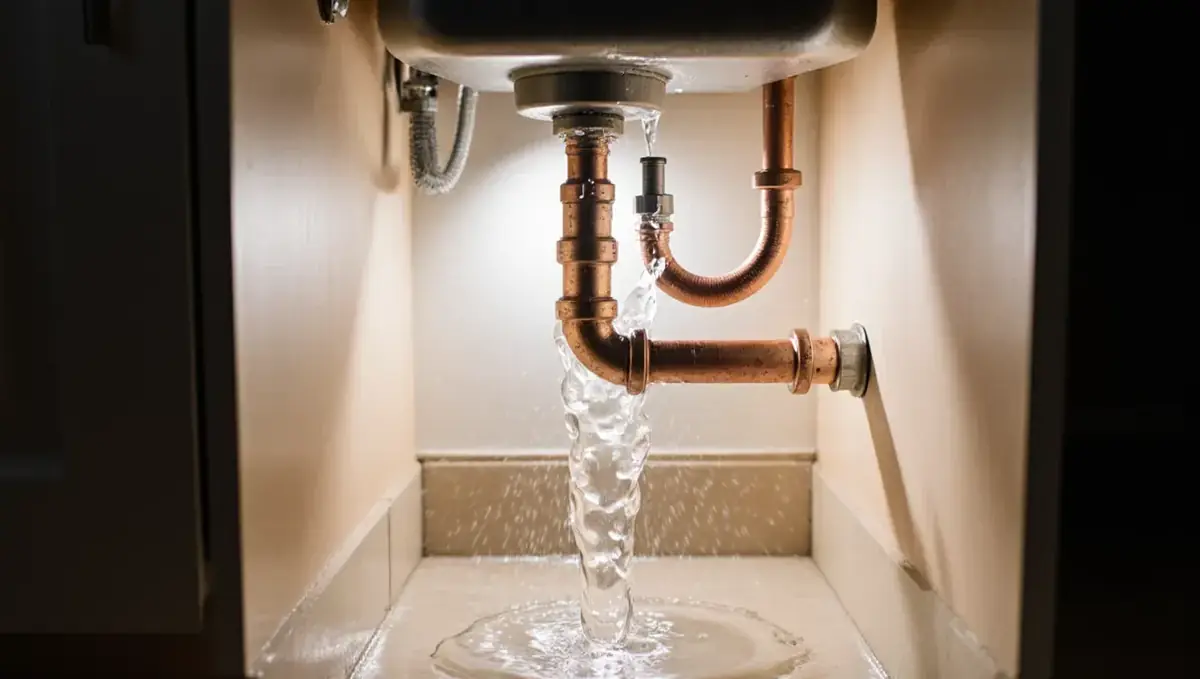
Most water damage in Costa Mesa starts indoors or overhead: a failed water heater, a cracked supply line, an overflowing dishwasher, or a roof that gave way during a winter storm. When it does, the goal is the same as anywhere else. Stop the water, get it out fast, and dry the structure before mold has a chance to start.
If you need water damage restoration in Costa Mesa right now, call (888) 817-5061. WaterQ is a free referral line that connects you with a trusted, local restoration company.
Dry Summers, Concentrated Winter Rain
Costa Mesa averages about 11.18 inches of rain a year (1991-2020 normals), and nearly all of it arrives in winter. January alone averages about 2.59 inches, while June averages close to nothing. That pattern creates a specific kind of risk.
- Problems hide all summer. A cracked roof tile, clogged gutter or failing flashing can go unnoticed for months, then leak during the first real storm.
- Storms arrive in bunches. Statewide, atmospheric rivers often come in back-to-back waves. Nine of them hit California between late December 2022 and mid-January 2023, causing widespread flooding.
- Drainage gets tested all at once. Heavy rain over a short period can pond against stucco walls, back up patio drains or push water under sliding doors and into garages.
A ceiling stain or musty closet after a storm usually means water has been traveling for a while. That is the time to arrange storm damage cleanup before small leaks turn into replacement jobs.
What the Santa Ana River Taught Orange County
The Santa Ana River has a long flood history. In the Great Flood of 1862 it burst its banks after weeks of winter storms. In 1938 it flooded Anaheim and Orange under as much as 4 feet of water, and almost 60 people died across the region. Those floods shaped the flood control system that protects Costa Mesa and its neighbors today.
Prado Dam was built near Corona in 1941 to hold back floodwater from the Inland Empire, and the Santa Ana River Mainstem Project, which began construction in 1989, lined the lower 30.4 miles of the river with concrete. Orange County Public Works also maintains hundreds of miles of flood channels.
Engineering lowers the odds of a river disaster, but intense local rain can still overwhelm streets and yards. For flood cleanup after outside water gets in, treat it as contaminated and keep children and pets away until it has been removed and the area sanitized.
Your First Moves Once Water Is on the Floor
- Find the shutoff. Close the fixture valve or the main water valve. If you have never located your main valve, now is the time to find it.
- Keep away from wiring. Stay out of standing water near outlets, extension cords and appliances. Shut off breakers only if you can reach the panel without stepping in water.
- Identify the water. Clean supply-line water (Category 1) is handled differently than toilet overflow or outdoor floodwater (Category 3), which may carry sewage and bacteria.
- Record it. Photograph the source, the water line on walls and every damaged item before anything is thrown out.
- Protect what you can. Move rugs, electronics and paperwork to a dry room, and set furniture legs on foil or blocks.
- Call for help. Dial (888) 817-5061 to be connected with a local provider for emergency water extraction.
Extraction, Drying and Repair, Step by Step
The restoration company you are connected with will assess the job on site, but most projects move through the same stages.
Removing standing water
Portable or truck-mounted extractors pull water out of carpet, pad and hard floors. Getting bulk water out quickly keeps it from wicking up drywall and into cabinets.
Finding hidden moisture
Moisture meters and thermal cameras show where water moved under tile, behind baseboards and into the slab edge or wall cavities. Those readings guide the drying plan and support your insurance claim.
Drying the structure
Air movers and dehumidifiers run until materials reach target moisture levels, with readings taken along the way. Coastal air can be damp even in dry months, so structural drying is monitored rather than guessed at.
Putting it back together
Once materials test dry, water damage repair replaces drywall, insulation, flooring and trim. Ask any contractor about licensing, insurance and training, such as IICRC certification, before you sign.
Postwar Ranch Homes and South Coast Metro Towers
Costa Mesa grew quickly during and after World War II, when many people who trained at the Santa Ana Army Air Base came back with their families. The city incorporated in 1953, and its population nearly quintupled within three decades. A lot of today's housing stock dates from that boom, which means original plumbing, water heaters and roofs may be well past their prime.
The city also has a very different side. South Coast Metro, around South Coast Plaza, mixes offices, retail, performing arts venues and high-rise residential towers. In a multi-story building, one leaking unit can reach the floors below, and commercial spaces may need drying planned around business hours. Property managers can call (888) 817-5061 to be connected with a provider experienced in commercial jobs.
Nearby, coastal homes in Newport Beach and Huntington Beach face their own mix of risks closer to the water.
Mold, Contractor Licenses and Insurance in California
The EPA notes that mold may start growing within 24 to 48 hours once building materials stay wet. Wet carpet pad, drywall behind cabinets and closets on exterior walls are common trouble spots. Proper mold removal uses containment so spores are not spread through the house during cleanup.
California does not appear to have a state license specifically for mold assessors or remediators, based on an industry roundup of state requirements. The Toxic Mold Protection Act of 2001 directed the state health department to study mold standards, but no statewide mold licensing program was found. Mold cleanup that involves construction still falls under Contractors State License Board rules. Since January 1, 2025, a CSLB license is required for jobs of $1,000 or more in labor and materials, or any job that needs a permit. You can verify a contractor with the CSLB Check a License tool.
- Standard homeowners policies generally do not cover flood, mudslide or debris flow. Flood coverage comes from an NFIP or private flood policy, and NFIP policies usually take effect 30 days after purchase.
- Keep photos, moisture logs, invoices and the drying report together for your adjuster.
- WaterQ cannot predict how an insurer will rule, but solid documentation helps the process.
Costa Mesa Areas and Neighboring Cities
The WaterQ referral line connects callers throughout Costa Mesa and nearby Orange County cities with independent local restoration companies.
Neighborhoods
- South Coast Metro
- Mesa Verde
- Eastside
- Westside
- College Park
- Mesa del Mar
Nearby communities
- Newport Beach
- Santa Ana
- Huntington Beach
- Fountain Valley
- Irvine
- Tustin
Costa Mesa Water Damage FAQ
Costa Mesa gets so little rain. Why do storms still cause leaks?
Because almost all of the city's roughly 11 inches of annual rain falls in winter, roof and drainage problems can go unnoticed for months. The first heavy storm of the season often exposes them all at once.
Do I need a licensed contractor for mold cleanup in Costa Mesa?
California does not appear to have a mold-specific license, but work involving construction falls under CSLB rules. A CSLB license is required for jobs of $1,000 or more in labor and materials or any job that needs a permit, and you can check one online.
Where can Costa Mesa residents get emergency alerts?
Orange County's ReadyOC site explains how to sign up for AlertOC, which notifies the public of emergencies that may require immediate action. ReadyOC also has flooding preparedness tips.
Will my homeowners policy pay for flood damage?
Usually not. Standard homeowners policies generally exclude flood, mudslide and debris flow. Flood coverage requires an NFIP or private flood policy, and NFIP policies typically have a 30-day waiting period.
Is WaterQ a restoration contractor?
No. WaterQ is a free referral service. Calling the 24/7 line connects you with an independent, local restoration company that inspects the damage and performs the work.
Local emergency and flood resources
Official sources for alerts, flood maps and preparedness in and around Costa Mesa: