Two Rivers, Barrancas and a Coastline
Ventura is really two landscapes. On the west side, the city stretches north up the Ventura River in a narrow valley with steep slopes. On the east side, homes and businesses spread across a flat alluvial plain that runs toward the Oxnard Plain. The Santa Clara River forms the city's southern edge, and the Pacific is its front yard.
Between those two rivers, a series of barrancas carry runoff from the foothills down across town to the Santa Clara River. In a strong storm, those drainages and the streets around them move a lot of water quickly. Properties next to a barranca, at the bottom of a hillside street or in low spots on the east side are the ones most likely to see water at the door.
The city's official elevation is only about 36 feet. Marine air keeps humidity up for much of the year, which is one reason wet drywall and flooring in Ventura can stay damp longer than owners expect.
The Ventura River's Long Flood Record
The Ventura River is short, about 16 miles, but it drains roughly 226 square miles of steep mountain terrain above Ojai. Since 1933, major or moderate floods have occurred on it about once every five years on average.
- January 1969: The watershed above Ojai took in 43 inches of rain in nine days. Floodwater and debris swamped homes in Casitas Springs and Live Oak Acres and wiped out large areas of citrus groves.
- 1995: Flooding killed one man and forced 12 other people to evacuate near the Main Street bridge, close to the river mouth.
On the city's other boundary, the Santa Clara River carried the 1928 St. Francis Dam flood to the sea, a disaster that took more than 600 lives. These events are a reminder that Ventura's rivers can change quickly when Pacific storms stall over the mountains.
FEMA's Flood Map Service Center lets you look up the flood zone for any Ventura address.
After the Thomas Fire: Hillsides That Still Need Watching
The Thomas Fire began on December 4, 2017, and destroyed more than 500 Ventura homes on its first night alone. Hillside neighborhoods such as Clearpoint, Ondulando and Skyline were hit hardest, and apartment buildings above downtown were damaged or lost as well.
A few weeks later, heavy rain on the burn scar in neighboring Santa Barbara County sent deadly debris flows into Montecito on January 9, 2018. Burned slopes shed water fast, and the National Weather Service warns that rain on a burn area can carry mud, rocks and debris into homes below.
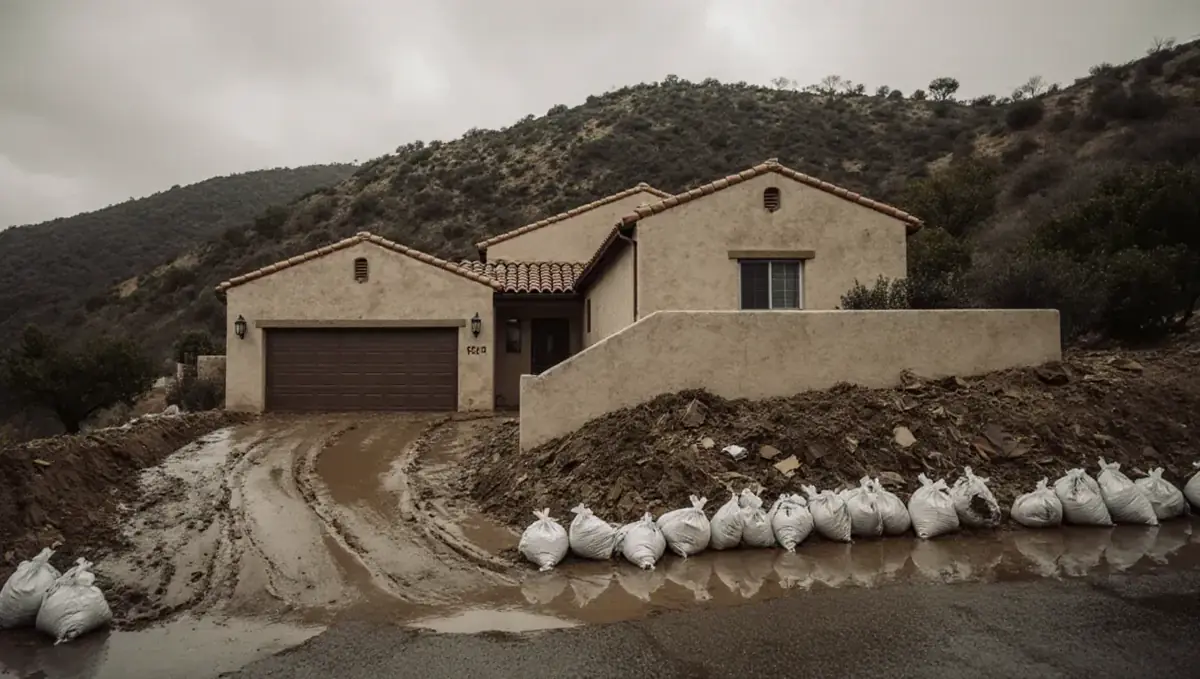
Many rebuilt Ventura homes sit at the base of slopes that burned. Keep swales and culverts clear, check that downspouts discharge away from the foundation, and treat any heavy rain forecast seriously. If mud reaches the house, storm damage cleanup and flood damage restoration begin with removing sediment and contaminated materials before drying.
Your To-Do List When Water Shows Up
- Cut off the supply. Shut the nearest fixture valve or the main valve for the house.
- Watch for shock risk. Keep away from water that touches cords, outlets or appliances, and use the breaker panel only from a dry place.
- Identify the water type. Clean tap water is Category 1; river water, mudflow and sewage backups are Category 3 and carry contaminants, so keep kids and pets away.
- Build a photo record. Shoot each room, the cause and damaged property before cleanup starts.
- Protect your belongings. Move keepsakes, paperwork and electronics to higher ground or another room.
- Reach a local company. Call (888) 817-5061 and WaterQ will connect you with a Ventura-area restoration provider for emergency water removal.
How a Ventura Restoration Project Usually Runs
Water damage restoration in Ventura is a sequence, and each step depends on the last one being done right.
Inspection and extraction
The crew finds the source, confirms it is stopped and then removes standing water with powerful extractors. For flood or mud jobs, they also clear out debris and contaminated materials.
Moisture mapping
Meters and thermal imaging trace where water has spread inside walls and under floors. Those readings form the baseline for drying and for your insurance documentation.
Drying in a coastal climate
Because Ventura's marine air carries moisture, dehumidifiers do much of the work, supported by air movers. Readings are taken daily until materials hit dry targets. See structural drying for details.
Rebuild
The final phase is water damage repair: drywall, paint, flooring, cabinets and trim. California's CSLB requires a license for work totaling $1,000 or more, or any job that needs a permit.
Keeping Mold From Taking Hold Near the Coast
EPA guidance notes that mold may appear on wet building materials within a day or two. In a damp coastal city, a leak that seems dried on the surface can keep growing mold behind baseboards or under vinyl flooring.
California has no state license specifically for mold assessors or remediators, according to an industry roundup of state requirements. Ventura homeowners may hear about the Toxic Mold Protection Act of 2001, which had the state health department study mold and develop standards, but it did not produce a statewide license for mold contractors that we could find. Any remediation that involves construction work still falls under CSLB contractor licensing.
For mold removal in Ventura, ask the company how it will isolate the work area, what it will remove and how it will verify the job is done. Our mold removal page has more background.
Insurance, Rentals and Ventura Businesses
- River and mud damage need flood coverage. The California Department of Insurance explains that standard homeowners policies exclude flood, mudslide and debris flow. NFIP flood insurance can cover mudflow but not landslides, and a new NFIP policy usually starts after 30 days.
- Fire, then flood. If you live below a recent burn scar, your debris-flow risk stays higher for several rainy seasons, so review coverage now rather than after the next storm.
- Apartments and storefronts. Owners of downtown rentals and shops along Main Street should keep a plan for who shuts off water and who calls for help after hours.
- Documentation. Keep photos, moisture readings and invoices together for your adjuster.
WaterQ cannot tell you how a claim will be decided. It can connect you, at no charge, with local pros who document the work well. Call (888) 817-5061 any time.
Ventura Neighborhoods and Nearby Communities
WaterQ's free referral line connects callers throughout Ventura and nearby Ventura County communities with independent local restoration companies.
Neighborhoods
- Downtown Ventura
- Midtown
- Montalvo
- Saticoy
- Clearpoint
- Ondulando
- Skyline
Nearby communities
- Oxnard
- Ojai
- Oak View
- Casitas Springs
- Live Oak Acres
- Santa Paula
- Camarillo
- Carpinteria
Ventura Water Damage FAQ
How often does the Ventura River flood?
Since 1933, major or moderate floods on the Ventura River have happened about once every five years on average. Notable floods include January 1969 and 1995, when one man was killed and others evacuated near the Main Street bridge.
My Ventura home was rebuilt after the Thomas Fire. Am I at risk from mud?
Homes below burned slopes face higher runoff and debris-flow risk for several rainy seasons after a fire. Keep drainage paths open, watch weather warnings closely and consider flood insurance, since standard homeowners policies exclude mudflow.
How do I look up my flood zone in Ventura?
Enter your address in FEMA's Flood Map Service Center to see the current flood map for your property. A low-risk zone does not mean no risk, especially near barrancas or the rivers.
Does a Ventura mold remediation company need a state license?
California does not appear to license mold remediators specifically. If the job includes construction, the contractor generally needs a CSLB license, which you can check online.
Will WaterQ send a crew to my Ventura property?
No. WaterQ is a free referral service that connects you with an independent local restoration company, which inspects the damage and does the work. The line is open 24/7.
Local emergency and flood resources
Official sources for alerts, flood maps and preparedness in and around Ventura: