Twice the Rain of Much of the Bay Area
Santa Rosa averages about 32 inches of precipitation a year over roughly 74 days, about double what East Bay cities such as Hayward and Fremont typically see. December and February each bring more than 6 inches on average, and January is close behind. In February 1998 the city recorded 19.42 inches in a single month.
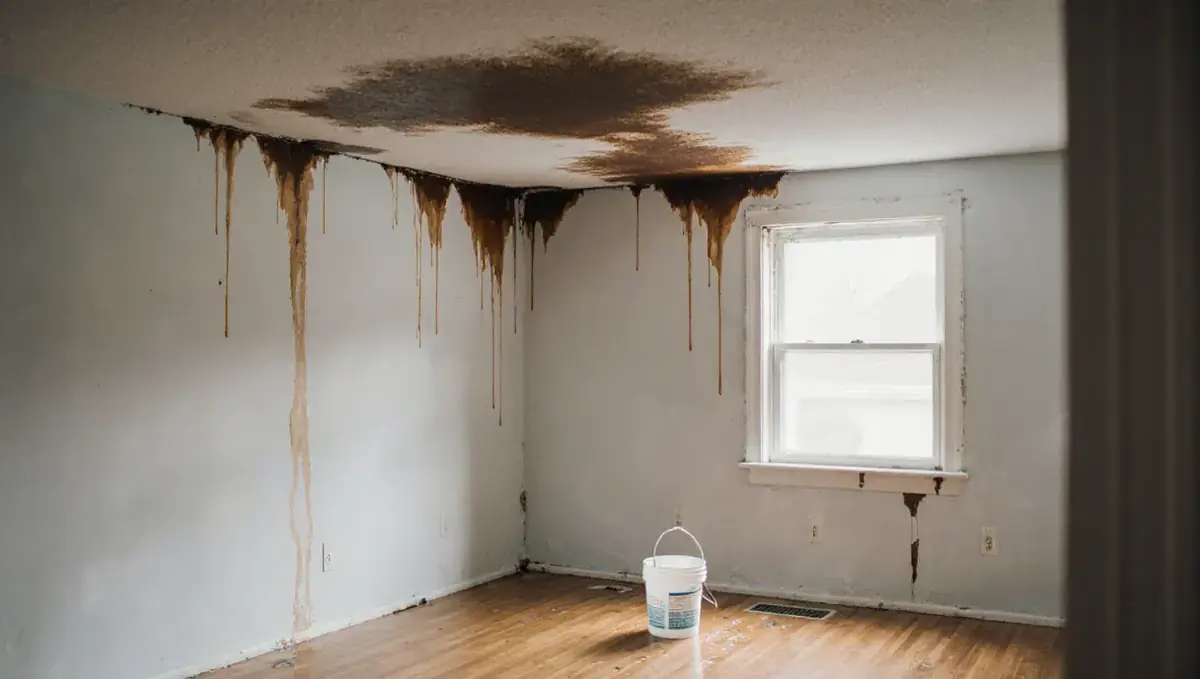
That much winter rain puts real pressure on roofs, gutters, foundations and drainage. A small gap in flashing that would barely matter in a drier city can soak attic insulation and stain ceilings over a few storms here.
If you already have water damage in Santa Rosa, call (888) 817-5061. WaterQ is a free referral service that connects you with a trusted restoration company in Sonoma County.
Santa Rosa Creek, Its Tributaries and the Laguna
Santa Rosa Creek rises on Hood Mountain and runs about 22 miles before reaching the Laguna de Santa Rosa by way of the Santa Rosa Flood Control Channel. Brush, Piner, Matanzas and Colgan creeks all feed it, and Matanzas Creek joins near Santa Rosa and Sonoma avenues. Much of the creek in the city core was channelized after political pressure in the 1960s, and a downtown restoration project in the late 1990s reopened a stretch now followed by the Prince Memorial Greenway.
Downstream, the Laguna de Santa Rosa acts as a natural floodplain during heavy winter rain. It can store more than 80,000 acre-feet of stormwater from a 254-square-mile basin. When it fills, low ground on the west side of town drains slowly.
Homes near any of these creeks should keep yard drains clear, know their flood zone and treat creek water that enters a building as contaminated. Professional flood cleanup is the safe route.
Rebuilt Neighborhoods After the Tubbs Fire
The October 2017 Tubbs Fire destroyed about 2,900 homes in Santa Rosa. In Coffey Park an estimated 1,300 structures were leveled, Fountaingrove lost many homes along with the Fountaingrove Inn and the historic Round Barn, and 116 of the 160 units at Journey's End Mobile Home Park burned.
Many of those neighborhoods have since been rebuilt, which means a large number of newer homes with newer plumbing, roofs and appliances. New construction still has its own water issues: a supply line that was never fully tightened, a shower pan that wasn't sealed or a roof detail that leaks in the first big storm. Keep an eye on warranty deadlines and report problems promptly.
On slopes that burned, rain can carry soil and ash downhill until vegetation recovers. If mud or runoff reaches your home, arrange storm damage cleanup before drying starts.
Caring for Victorian-Era Homes and Historic Districts
Almost all of Santa Rosa's houses survived the 1906 earthquake, and most are still standing. That legacy shows up in historic districts such as Burbank Gardens, Cherry Street, McDonald Mansion, St. Rose and West End, where older homes have original wood floors, trim and plaster walls.
Older materials need a gentler approach after a leak. Plaster can often be dried in place if it is caught early, and hardwood floors may respond to specialized drying mats rather than removal. Ask the restoration company how it plans to protect original features, and photograph them before work begins.
Santa Rosa also felt two earthquakes of magnitudes 5.6 and 5.7 in 1969. Strapping water heaters and replacing brittle supply lines are simple ways to reduce water damage the next time the ground shakes.
Before the Restoration Crew Gets There
- Turn the water off. Use the valve under the sink or toilet, or close the main.
- Watch for electrical risks. Stay out of standing water near outlets and appliances. If a ceiling is sagging with water, keep people out of the room; it may come down.
- Know the category. Clean supply-line water is Category 1. Creek water, runoff and sewage are Category 3 and can carry bacteria.
- Document first. Photograph the water, the source and damaged items in every affected room.
- Lift and remove. Move valuables, rugs and electronics to a dry space.
Then call (888) 817-5061. A Sonoma County restoration provider can then start emergency water removal. EPA guidance says mold can start growing within 24 to 48 hours on wet materials, so quick drying pays off.
Drying Out a Home in a Wet Winter
Most jobs start with extraction to remove standing water and soaked carpet pad. Technicians then map moisture with meters and thermal imaging, following water into walls, under flooring and into attic insulation when the source is a roof leak.
During structural drying, dehumidifiers matter as much as fans. Outdoor air during a Santa Rosa winter storm is cool and damp, so crews typically close up the space and control the indoor air rather than relying on open windows. Daily readings show when materials have reached their dry targets.
The last stage is water damage repair: drywall, insulation, flooring, paint and, after roof leaks, the roof itself. In California, a contractor needs a CSLB license for any job of $1,000 or more in labor and materials or any permitted job. Check licenses with the CSLB lookup.
Mold Licensing, Coverage and Commercial Spaces
A wet climate gives mold more chances to grow. An industry review of state requirements found that California has no license dedicated to mold assessors or mold remediators; the Toxic Mold Protection Act of 2001 called for a state study of standards rather than a licensing program. Remediation that involves construction still requires a CSLB-licensed contractor. Ask about insurance and training, including IICRC certification, before mold removal starts.
Standard homeowners policies in California exclude flood, mudslide and debris flow. NFIP coverage includes mudflow but not landslides, and a new policy generally waits 30 days before taking effect. Keep photos, moisture logs and receipts together for any claim.
Downtown storefronts, Railroad Square businesses and offices around the city can call (888) 817-5061 to reach a local provider for commercial drying. Sign up for SoCoAlert to get Sonoma County emergency notices.
Santa Rosa Neighborhoods and Sonoma County Towns We Connect
WaterQ's free referral line connects residents and businesses across Santa Rosa and nearby Sonoma County communities with independent local restoration companies.
Neighborhoods
- Coffey Park
- Fountaingrove
- Bennett Valley
- Roseland
- Rincon Valley
- Railroad Square
- Junior College
- Montgomery Village
- Oakmont Village
- Burbank Gardens
- Cherry Street Historic District
- St. Rose Historic District
- West End
- Spring Lake
- Skyhawk
- Stonegate
- Hidden Valley
- Annadel Heights
- South Park
- Juilliard Park
Nearby communities
- Windsor
- Sebastopol
- Rohnert Park
- Petaluma
- Healdsburg
- Sonoma
- Guerneville
- Larkfield-Wikiup
- Calistoga
- Bodega Bay
Santa Rosa Water Damage FAQ
How much rain does Santa Rosa get in a typical year?
About 32 inches, falling on roughly 74 days. December and February are the wettest months, each averaging more than 6 inches, and the record is 19.42 inches in February 1998.
What is the Laguna de Santa Rosa and why does it matter for flooding?
It is a wetland and floodplain west of the city where Santa Rosa Creek drains. During heavy winter rain it can store more than 80,000 acre-feet of stormwater, and low areas nearby can drain slowly when it is full.
How do I get emergency alerts in Santa Rosa?
Sign up for SoCoAlert through Sonoma County's emergency management site, socoemergency.org. The same site has an evacuation zone map. For general emergency information you can call 2-1-1 or (707) 565-2121.
Can water-damaged plaster or wood floors in an older Santa Rosa home be saved?
Often, if drying starts quickly. Plaster and hardwood can sometimes be dried in place with the right equipment. Ask the restoration company how it plans to protect original materials before demolition begins.
Is WaterQ a Santa Rosa restoration company?
No. WaterQ is a free referral service available 24/7. We connect you with an independent local restoration company, which inspects the damage and performs the work.
Local emergency and flood resources
Official sources for alerts, flood maps and preparedness in and around Santa Rosa: