Why Fullerton's Water Problems Usually Start Underground or Overhead
Fullerton sits at about 160 feet in northern Orange County, with the West Coyote Hills ridge rising on its north side. The city has almost no open water of its own, apart from features like Laguna Lake in the Sunny Hills area and the Brea Dam Recreational Area. So when a Fullerton home floods, the cause is more often a pipe, a water main, a water heater or a leaking roof than an overflowing river.
That matters because hidden leaks can soak a slab, wall cavity or subfloor long before anyone sees a puddle. Fast action keeps a small repair from becoming a full tear-out. For water damage in Fullerton, call (888) 817-5061 and WaterQ will connect you with a trusted local restoration company.
Lessons From the 2014 La Habra Earthquake
On March 28, 2014, a magnitude 5.1 earthquake centered in Brea, about a mile east of La Habra, shook north Orange County. In Fullerton, thirteen water mains broke, and roughly 70 families were displaced after their homes were declared temporarily uninhabitable.
That event is a useful reminder that in Southern California, shaking can turn into a water problem fast. After any noticeable quake:
- Check under sinks, behind the washer and around the water heater for drips or pooling.
- Look for new cracks in ceilings and walls that could signal a leak from above.
- Watch the water meter with every fixture off. A moving dial points to a hidden leak.
- Keep in mind that standard homeowners policies do not cover earthquake damage itself, apart from fire caused by an earthquake. The California Earthquake Authority sells separate policies through participating insurers.
Rainy Months and What They Do to Older Roofs
Fullerton averages about 11.86 inches of rain a year, with February (about 3.02 inches) and January (about 2.85 inches) the wettest months. July and August see almost none. Measurable precipitation falls on only around 38 days a year, so each storm tends to count.
Statewide, atmospheric rivers often arrive in waves, and back-to-back storms are what expose worn shingles, clogged gutters and poorly sloped yards. The City of Fullerton has reported higher numbers of property damage calls during storms with heavy rain and high winds, including downed trees.
If wind-driven rain gets into the attic or a tree comes down on the roof, storm damage cleanup usually starts with tarping and water removal, then moves into drying. If outside water reaches the floor, treat it as contaminated and plan on professional flood cleanup.
Steps to Take Before the Restoration Crew Arrives
- Turn off the water. Close the valve at the fixture or the home's main shutoff. If a city main has broken in the street, stay clear and report it to the city.
- Be careful with power. Do not touch outlets, cords or appliances while standing in water. Switch off breakers only from a dry spot.
- Sort out the water type. Clean water from a supply line (Category 1) is the least risky. Sewage backups and floodwater (Category 3) need protective handling.
- Take photos first. Document the source, the depth and damaged belongings for your insurance claim.
- Salvage what you can. Lift furniture, pull up loose rugs and move papers and electronics out of the wet area.
- Get help on the way. Call (888) 817-5061, available 24/7, to be connected with a local provider for water extraction.
How Local Pros Handle Water Damage Restoration in Fullerton
Each restoration company has its own process, but most Fullerton jobs follow the same path.
Inspection and moisture readings
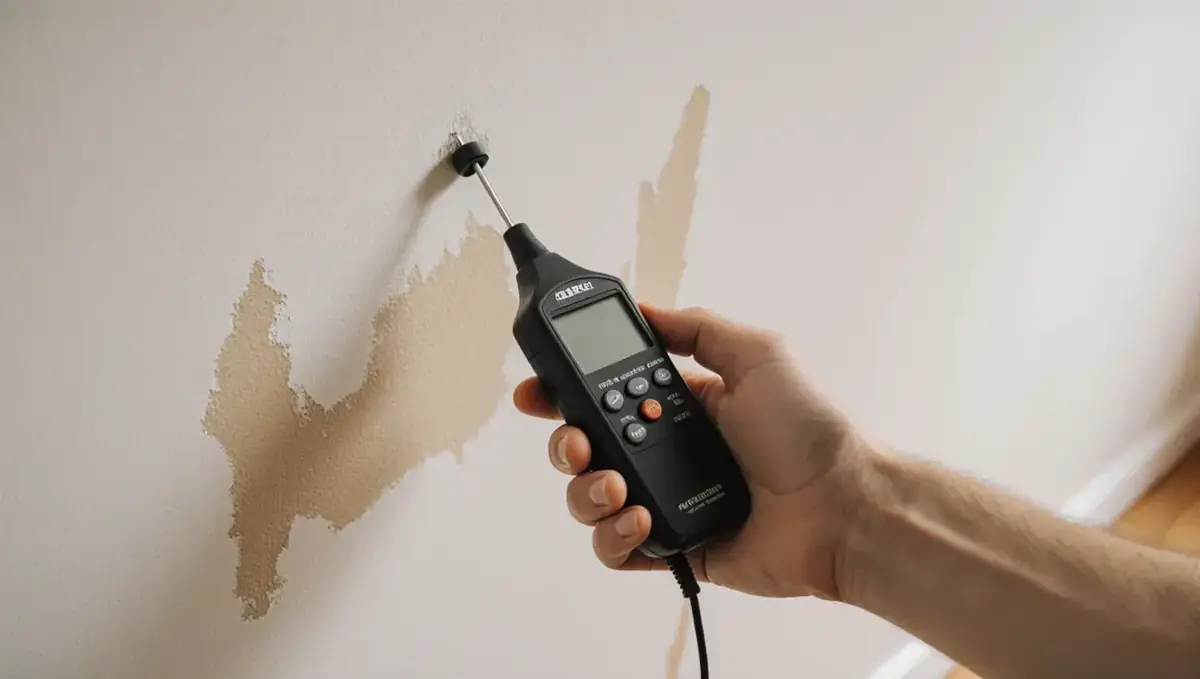
Technicians trace the water with moisture meters and thermal imaging, checking under flooring, inside walls and in nearby rooms. Those readings become the baseline for drying and part of your claim file.
Water removal
Extractors pull water from carpet, pad and hard surfaces. Wet pad and saturated drywall are often removed so the structure underneath can dry.
Drying and monitoring
Air movers and dehumidifiers run until materials reach dry targets, checked on a schedule. Learn more about structural drying and why it is measured, not guessed.
Rebuild
Water damage repair covers drywall, insulation, flooring, baseboards and cabinets once everything tests dry. Before you sign, ask any contractor about licensing, insurance and training, such as IICRC certification.
From Citrus Town to College Town: Fullerton's Buildings
Fullerton incorporated in 1904 and grew on Valencia oranges, oil from the Brea-Olinda field and, later, aerospace. After World War II, veterans bought homes in new subdivisions built on former farmland. Many of those houses still have original plumbing, water heaters near the end of their lives or roofs that have been patched more than once.
Newer areas look different. Amerige Heights was built on the former Hughes Aircraft campus in western Fullerton between 2001 and 2004. Around Cal State Fullerton and Fullerton College, apartments and rentals mean leaks can affect neighbors and landlords as well as tenants. Downtown and the SOCO entertainment district include older commercial buildings where a single leak can close a business.
Owners and property managers can call (888) 817-5061 to be connected with a company that handles residential and commercial work. Nearby, Anaheim and Orange share much of the same climate and history.
Mold Prevention and Checking a Contractor in California
Mold can begin to form on damp drywall, carpet pad and wood framing in as little as 24 to 48 hours, according to EPA guidance. Closets on outside walls, bathrooms and spaces behind kitchen cabinets are frequent problem areas after a leak. Professional mold cleanup isolates the work area so spores do not travel through the home.
Based on an industry roundup of state requirements, California does not appear to issue a state license specifically for mold assessors or remediators. The state's Toxic Mold Protection Act of 2001 called for the health department to study mold standards, but no statewide licensing program was found. Remediation that includes construction is still covered by Contractors State License Board rules. Since January 1, 2025, a CSLB license is needed for jobs of $1,000 or more in labor and materials, or for any job that requires a permit.
Insurance-wise, standard homeowners coverage generally excludes flood, mudslide and debris flow. Flood insurance through the NFIP or a private carrier usually takes effect 30 days after purchase. Keep photos, moisture logs and invoices organized for your adjuster.
Fullerton Neighborhoods and North Orange County Communities
WaterQ's free line connects callers across Fullerton and neighboring north Orange County cities with independent local restoration companies.
Neighborhoods
- Downtown Fullerton
- SOCO (south of Commonwealth)
- Sunny Hills
- Amerige Heights
- West Coyote Hills
Nearby communities
Fullerton Water Damage FAQ
Can an earthquake cause water damage in Fullerton?
Yes. The 2014 La Habra earthquake broke thirteen water mains in Fullerton and displaced roughly 70 families. After a quake, check for leaks around water heaters, under sinks and behind appliances.
Does homeowners insurance cover earthquake damage?
Standard homeowners policies do not cover earthquake damage, apart from fire caused by an earthquake. Separate coverage is available, including through the California Earthquake Authority via participating insurers.
What is the rainy season in Fullerton?
Most rain falls in winter, with January and February the wettest months. The city averages about 11.86 inches a year, and summers are nearly dry.
How do I sign up for emergency alerts in Orange County?
The county's ReadyOC website explains how to register for AlertOC, which notifies the public about emergencies that may require immediate action.
Does WaterQ do the restoration work itself?
No. WaterQ is a free referral service available 24/7. We connect you with an independent local restoration company, which inspects the damage and does the work.
Local emergency and flood resources
Official sources for alerts, flood maps and preparedness in and around Fullerton: