One Set of Pipes for Rain and Sewage
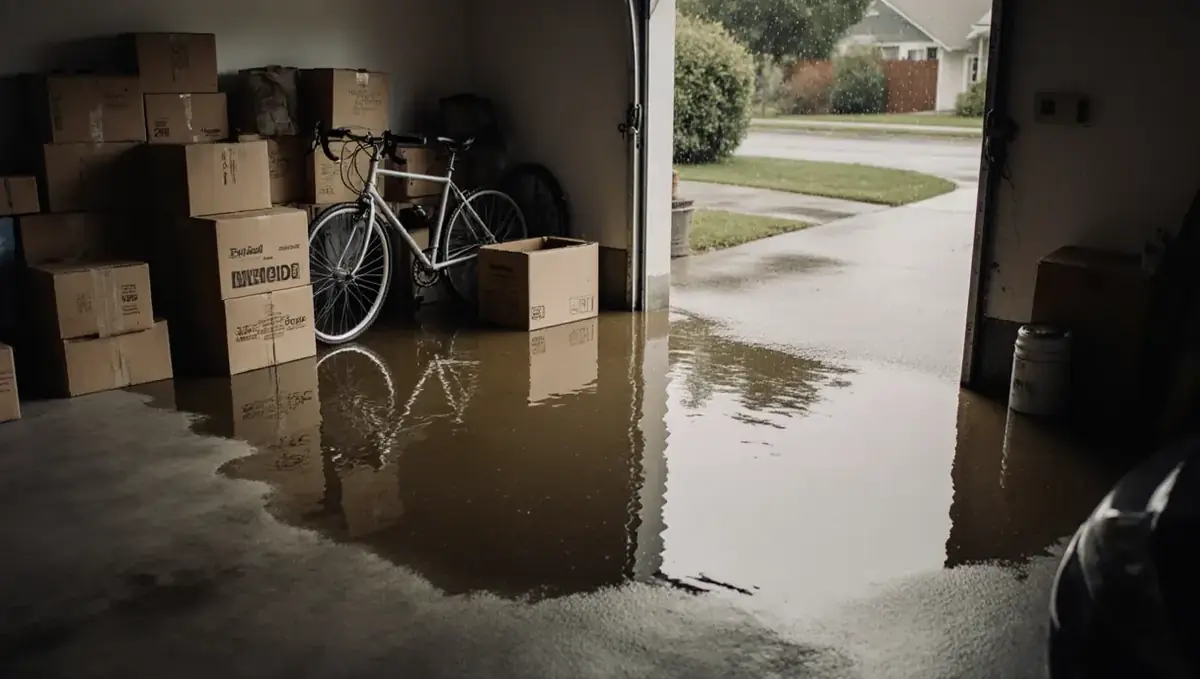
Most cities send rainwater and sewage through separate networks. San Francisco does not. Its combined sewer system collects both in the same pipes, so a heavy downpour can overwhelm the system and push water back up through drains, toilets and floor drains in lower levels.
The SFPUC notes that this kind of storm can cause street flooding, especially in low-lying areas that used to be creeks or bays, along with property damage. Anything that came up out of a drain or in from the street during a storm should be handled as Category 3 water, meaning it may carry sewage and bacteria.
Private sewer laterals add another risk. Tree roots, wipes and grease can clog the line between your building and the street and cause a backup even in dry weather. SFPUC recommends having a plumber inspect your lateral regularly.
Rainy Season on a Foggy Peninsula
San Francisco is known more for fog than for rain, but it averages about 23.65 inches of precipitation a year across roughly 73 rainy days. Nearly all of it falls from November through April, with December averaging 4.76 inches and January 4.40 inches.
Storms can also stack up. On December 31, 2022, the city recorded its second wettest day on record with 5.46 inches of rain, part of 13.59 inches that fell between December 26 and January 11, 2023. US 101 flooded in South San Francisco during that stretch. Days like that test every roof, gutter, window seal and below-grade room in the city.
Between storms, the damp marine air slows natural drying. That is one reason soaked flooring and walls usually need dehumidifiers rather than open windows to dry properly.
Know Whether Your Block Is in the 100-Year Storm Zone
The SFPUC publishes a 100-Year Storm Flood Risk Map showing parcels where deep, continuous flooding from stormwater runoff is highly likely during a 100-year storm. The map flags flooding of at least 6 inches across an area about half a city block or larger, and it now includes flood elevation zones.
It does not cover flooding from the Bay, the Pacific or lakes, so it is not a replacement for FEMA flood maps. San Francisco law also requires sellers and landlords to disclose to buyers or tenants when a property falls within the mapped zone.
- Floodwater Grant Program. Eligible owners who have flooded from the sewer system or public right-of-way during heavy rain may receive up to $100,000 for approved flood-protection projects.
- Free sandbags. San Francisco Public Works offers them to residents before storms.
- Report and stay informed. Report flooding to 311 by phone, app or sf311.org, and sign up for AlertSF by texting your ZIP code to 888-777.
If Water Is Coming Up Through a Drain Right Now
- Stop using water. Avoid flushing toilets or running sinks, dishwashers and washers until the backup is cleared, and shut the main valve if a supply pipe is the cause.
- Stay away from power. Keep out of standing water around outlets, water heaters and electrical panels in garages and basements.
- Treat it as contaminated. Sewer and street water are Category 3. Wear gloves and boots, and keep children and pets out.
- Take photos. Capture the water level, the source, the drain and damaged items before cleanup starts.
- Report it. Call 311 about street flooding or a public sewer problem.
- Get cleanup started. Call (888) 817-5061 and we will connect you with a local restoration company for water extraction and sanitizing.
From Extraction to Rebuild in a San Francisco Building
Restoration work in tight city buildings tends to follow the same core steps. The local pros you are connected with first remove standing water with portable or truck-mounted extractors, then map moisture with meters and thermal imaging to track water under flooring and inside shared walls.
For sewage or street water, porous items such as carpet, pad, drywall and insulation that the water touched are usually removed and discarded, and surfaces are cleaned and disinfected. After that, structural drying with air movers and dehumidifiers continues until readings reach dry standards.
The final stage is water damage repair. California's CSLB requires a licensed contractor for jobs totaling $1,000 or more in labor and materials, or any work needing a permit. Ask about licensing, insurance and training, such as IICRC certification, and confirm the license on the CSLB website before work begins.
Mold Cleanup in a City That Rarely Dries Out
Per EPA guidance, mold can appear on wet materials within 24 to 48 hours, and cool, damp air off the ocean does little to stop it. Ground-floor rooms, garages converted to living space and walls behind slow leaks are common trouble spots.
California does not appear to license mold assessors or remediators at the state level, according to an industry roundup of state requirements, and we found no statewide mold licensing program. If remediation includes construction work like replacing drywall, CSLB contractor rules still apply. Read more about mold removal and containment.
Property managers, landlords and businesses can use the same 24/7 line for commercial jobs. To compare flood cleanup across the Bay, see our Oakland and San Jose pages, or call (888) 817-5061.
San Francisco Neighborhoods and Peninsula Communities Covered
WaterQ's free referral line connects callers throughout San Francisco's neighborhoods and nearby Peninsula and Bay communities with independent local restoration providers.
Neighborhoods
- Mission District
- SoMa
- Marina District
- Sunset District
- Inner Sunset
- Richmond District
- Bayview
- Hunters Point
- Mission Bay
- Noe Valley
- Haight-Ashbury
- Pacific Heights
- Excelsior
- Potrero Hill
- Dogpatch
- Castro
- North Beach
- Chinatown
- Financial District
- Western Addition
Nearby communities
San Francisco Water Damage FAQ
Why does water come up through my floor drain during heavy rain in San Francisco?
San Francisco has a combined sewer system that carries stormwater and sewage in the same pipes. In intense storms the system can back up, especially in low-lying areas that were once creeks or bay. A clogged private sewer lateral can also cause backups, so have a plumber inspect yours regularly.
How do I find out if my property is in the 100-year storm flood zone?
Check the SFPUC 100-Year Storm Flood Risk Map online. It shows parcels likely to see deep stormwater flooding in a 100-year storm, but it does not cover flooding from the Bay or the ocean, so also review FEMA flood maps.
Is there financial help for flood-proofing a San Francisco property?
The SFPUC Floodwater Grant Program offers up to $100,000 for approved flood-protection projects to eligible owners whose property flooded from the sewer system or public right-of-way during heavy rain.
Where can I get sandbags and storm alerts?
San Francisco Public Works provides free sandbags. For emergency alerts, sign up for AlertSF by texting your ZIP code to 888-777, and report street flooding to 311.
Does WaterQ do the cleanup in San Francisco?
No. WaterQ is a free referral service available 24/7. We connect you with an independent local restoration company, which inspects the property and performs the work.
Local emergency and flood resources
Official sources for alerts, flood maps and preparedness in and around San Francisco: