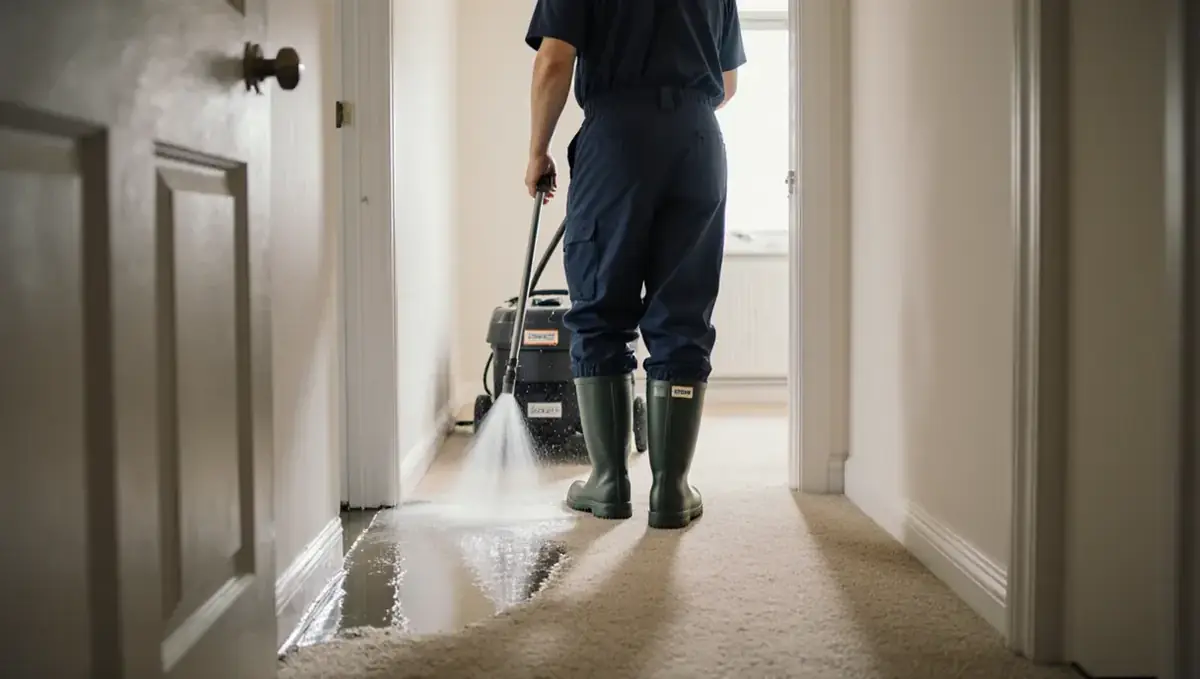
Life Inside 'The Box': How El Cajon's Valley Handles Rain
El Cajon takes its name from the box-like valley it fills, about 17 miles east of downtown San Diego and around 433 feet above sea level. Foothills wrap the city on most sides, with La Mesa and San Diego to the west, Spring Valley to the south and Santee to the north.
That shape matters when storms arrive. Rain that lands on the surrounding hillsides heads for the valley floor, collecting in streets, storm drains and channels that feed Forester Creek, a tributary of the San Diego River. Homes at the base of slopes, in older neighborhoods with flat lots, or next to drainage channels tend to see water first.
The City of El Cajon runs a storm water and storm drain program and posts sandbag information on its website, which is worth bookmarking before the rainy months. City Hall can be reached at 619-441-1716 for questions.
Under 12 Inches of Rain, but Not Under Zero Risk
El Cajon averages about 11.63 inches of precipitation a year, and February is usually the wettest month at about 2.6 inches. Low totals can lull owners into skipping roof and gutter checks, so the first strong storm after a dry stretch often finds cracked flashing, clogged downspouts and grading that slopes the wrong way.
Big bursts do happen in this part of the county. On January 22, 2024, rain fell at 1.5 to 2.5 inches per hour over eastern San Diego, damaging about 1,000 homes there. El Cajon is a separate city, but the event shows how quickly a single storm can overwhelm drainage in an inland valley.
Heat is the other side of the climate. The city hit 114 degrees on September 5, 2020, and long summers keep air conditioners, condensate drains and garage water heaters working hard. Those quiet indoor failures account for a large share of water damage in El Cajon year round.
Post-War Growth and the Plumbing It Left Behind
El Cajon incorporated in 1912 with only a few hundred residents, and it had just 469 people in 1920. The big growth came after World War II, and the population reached nearly 100,000 by 2010 and about 106,000 in 2020. Many houses, duplexes and apartment complexes were built during that boom.
Homes of that age often still have some original components. Watch for these warning signs:
- Rust-colored water or low pressure, which can point to aging galvanized pipe.
- Warm spots on a slab floor or the sound of running water when every fixture is off.
- Stains around toilet bases, under sinks or below a second-floor bathroom.
- A water heater older than its rated life, especially one without a drain pan.
In apartments and multi-unit buildings, one failed line can reach several households. Tenants should notify the property manager right away, and managers can call (888) 817-5061 to be connected with a restoration provider who handles multi-unit losses.
Burn Scars in the East County Hills
El Cajon's backcountry neighbors know wildfire well. The 2003 Cedar Fire burned more than 273,000 acres, destroyed over 2,200 homes and reached Lakeside, Alpine, Harbison Canyon, Lake Jennings and Crest. Rain on freshly burned slopes runs off fast and can carry soil and debris down into developed areas, the National Weather Service warns.
If a fire has burned the hills above your property, plan ahead for the next few winters. Keep debris out of drainage swales, store valuables off garage floors, and sign up for county notifications through AlertSanDiego. If mud or debris does reach the house, flood cleanup and storm damage cleanup start with safe removal of sediment before any drying begins.
Steps to Take Before Help Gets There
- Close the valve. Turn off the fixture supply or the home's main shutoff. Know its location before you ever need it.
- Keep clear of electricity. Do not step into water near plugged-in devices, and leave breakers alone unless you can reach the panel from a dry floor.
- Sort out the source. Supply-line water is Category 1. Runoff from outside or anything from a sewer line is Category 3 and should be handled as contaminated.
- Record the scene. Use your phone to capture wide shots and close-ups of each wet room, the failed part and damaged belongings.
- Rescue what matters. Get photos, documents, medication and electronics up high or into a dry room.
- Get a pro on the way. Phone (888) 817-5061 so WaterQ can put you in touch with an East County provider that handles water extraction and drying.
From Extraction to Final Repairs in El Cajon
Water damage restoration in El Cajon generally moves in four stages. First, extractors remove standing water from carpet, pad, tile and laminate. Next, technicians map moisture with meters and infrared cameras, since water often travels under baseboards and into neighboring rooms or units.
Third comes drying. Air movers and dehumidifiers are set up based on room size and how wet the materials are, and readings are logged until targets are met. Wet insulation and drywall below the waterline are often removed to let wall cavities dry. Our structural drying page explains this stage in more depth.
Finally, water damage repair restores drywall, paint, flooring and cabinets. In California, CSLB requires a licensed contractor for jobs totaling $1,000 or more, or any job needing a permit, so look up the license number before work starts.
Mold, Licensing Gaps and Paying for the Job
Wet drywall and carpet can grow mold within 24 to 48 hours, per EPA guidance, even in a dry inland city. Mold removal in El Cajon should include containment so spores are not spread through the rest of the house during cleanup; see our mold removal overview.
There is no California license dedicated to mold assessors or remediators, going by an industry roundup of state rules. The 2001 Toxic Mold Protection Act sent the state health department off to research mold and draft standards; even so, a statewide mold licensing program does not appear to exist. Remediation that includes construction is still subject to CSLB contractor licensing.
On insurance, the California Department of Insurance notes that ordinary homeowners coverage excludes flood, mudslide and debris flow. Separate flood insurance through NFIP can cover mudflow, though not landslide, and new policies normally have a 30-day waiting period. Keep every photo, invoice and moisture log for the claim. WaterQ cannot say what an insurer will pay, but you can call (888) 817-5061 any time to reach a local restoration provider.
El Cajon Neighborhoods and Nearby East County Communities
Our free referral line connects callers in El Cajon and the surrounding East County with independent local restoration companies.
Neighborhoods
- Downtown El Cajon
- Fletcher Hills
- Bostonia
- Rancho San Diego
Nearby communities
- La Mesa
- Santee
- Spring Valley
- Lakeside
- Crest
- Harbison Canyon
- Alpine
- Lake Jennings
- San Diego
El Cajon Water Damage FAQ
Why does storm water collect in parts of El Cajon?
El Cajon sits in an enclosed valley surrounded by foothills, so runoff from the slopes drains toward the valley floor and the channels feeding Forester Creek. Low lots and homes at the base of hills tend to see water first.
Where can El Cajon residents find sandbag information?
The City of El Cajon lists sandbag information among its most requested pages on its website, along with its storm water and storm drain program. You can also call City Hall at 619-441-1716.
My El Cajon apartment was flooded by a neighbor's leak. What now?
Stop using electrical items near the water, take photos, and tell your property manager or landlord right away so they can find the source. Renters insurance may cover your belongings, while the building owner usually handles the structure.
Does California license mold remediation companies?
California does not appear to have a mold-specific license for assessors or remediators. If the work includes construction, the contractor generally needs a CSLB license, which you can verify online.
Is WaterQ the company that fixes my El Cajon home?
No. WaterQ is a free referral service that connects you with an independent local restoration company. That company inspects the damage and does the work, and our line is answered 24/7.
Local emergency and flood resources
Official sources for alerts, flood maps and preparedness in and around El Cajon: