Creeks That Disappear Into Culverts
Berkeley climbs from the eastern shore of San Francisco Bay up to Grizzly Peak, 1,754 feet above sea level. Several creeks drain those slopes, including Strawberry Creek, Codornices Creek and Schoolhouse Creek. Once they reach the flat plain west of the hills, most of them run largely through underground culverts.
Out of sight does not mean out of mind. When a big storm sends more water down the hills than drains can take, it shows up on the surface, and the City warns that storms can flood intersections and roadways. The City also links to real-time streamflow readings for Strawberry and Codornices Creeks, a useful check during a heavy storm.
Homes on slopes deal with fast-moving runoff, retaining walls and drainage behind foundations. Flatland homes in West and South Berkeley are more likely to see water pooling at the street and pushing toward low entries, driveways and below-grade rooms.
A Wetter Corner of the Bay
Berkeley averages about 25.40 inches of precipitation a year, spread over roughly 64 wet days. February is typically the wettest month, averaging more than 5 inches. The Bay Area's late-December 2022 to January 2023 storms showed how quickly back-to-back atmospheric rivers can pile up; neighboring Oakland logged a record 4.75 inches on December 31, 2022.
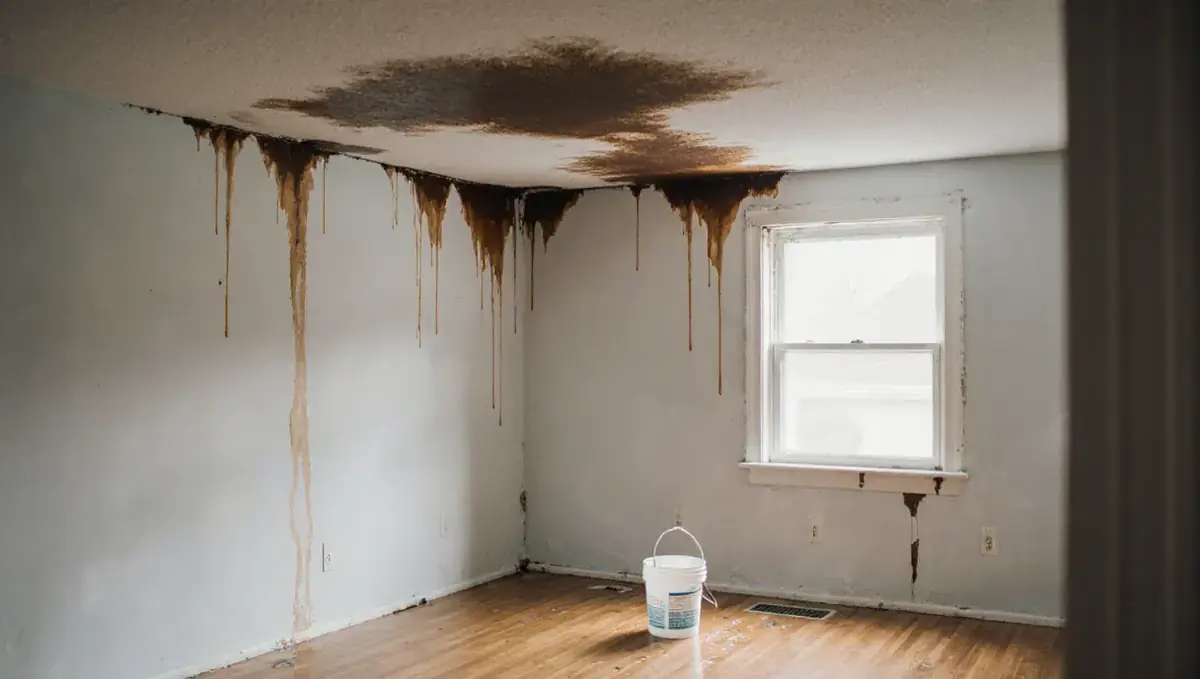
For local homes, the rainy season is when roof valleys, chimney flashing, clogged gutters and failing downspouts let water in. Taking care of those items in the fall is far cheaper than drying out a ceiling and attic in February.
Sandbags, Drain Care and Who to Call in Berkeley
- Free sandbags. During storm season, Berkeley residents and businesses can pick up free sandbags at the City's Corporation Yard, Monday through Friday from 8 am to 3 pm, with ID. Hardware stores sell them too, and residents are responsible for disposal.
- Adopt a Drain. The City's program invites residents to keep the storm drains on their street clear of leaves and debris.
- Report problems. Street flooding, clogged storm drains and sewer overflows go to Public Works at (510) 981-6620 or through the City's online reporting tools.
- Power outages. Report them to PG&E at (800) 743-5002.
The City's winter storm preparedness page has the latest details before each season.
Earthquakes, Fire History and Water Damage
The Berkeley Hills run along the Hayward Fault, and the City keeps earthquake and tsunami preparedness guidance alongside its storm information. A strong earthquake can crack supply lines, break a water heater loose or damage fire sprinklers, sending water into walls and floors.
Fire history is part of the picture too. The 1923 fire destroyed about 640 structures, and the October 20, 1991 firestorm destroyed 2,449 single-family homes and 437 apartment and condominium units. After fire, rain on burned slopes can carry soil and debris downhill, and water from firefighting often leaves its own damage behind.
Standard homeowners insurance excludes earthquake damage other than fire caused by a quake, and it excludes flood, mudslide and debris flow as well. Separate earthquake and NFIP flood policies exist, and new NFIP coverage generally begins 30 days after purchase.
Getting a Berkeley Property Dry and Rebuilt
- Secure the scene. Shut off water at the fixture or main and avoid any wet area near outlets or appliances.
- Document. Take photos and video of the source, the water and damaged items.
- Extraction. The local pros you are connected with remove standing water with portable or truck-mounted units. Street runoff and sewer overflow are Category 3 and call for removal of soaked porous materials plus disinfection.
- Drying. Structural drying with air movers and dehumidifiers continues, with daily moisture readings, until walls and subfloors reach dry standards.
- Repair. Drywall, flooring, trim and cabinets are replaced during water damage repair.
CSLB requires a licensed contractor for work of $1,000 or more, counting labor and materials, or any job that needs a permit. Ask about licensing, insurance and training, such as IICRC certification, and check the license on the CSLB website. Learn more about flood cleanup after storms.
Preventing Mold After Leaks and Storms
EPA guidance says mold can develop on wet materials in 24 to 48 hours. Cool, damp Bay Area winters slow natural drying, so attics under roof leaks, closets on exterior walls and basements near the hills are worth checking after every storm.
California does not appear to have a state license for mold assessors or remediators, based on an industry roundup of state requirements, and we found no statewide mold licensing program. Remediation that includes construction falls under CSLB contractor licensing. Our mold removal page explains containment and cleanup.
Nearby, see Oakland for East Bay storm and shoreline notes. To reach a Berkeley restoration professional now, call (888) 817-5061.
Berkeley Neighborhoods and Surrounding East Bay Towns
WaterQ's free referral line connects callers across Berkeley's flatlands and hills, and nearby East Bay communities, with independent local restoration providers.
Neighborhoods
- Downtown Berkeley
- Southside
- Northside
- Claremont District
- Elmwood
- South Berkeley
- West Berkeley
- North Berkeley
- Gourmet Ghetto
- Berkeley Hills
Nearby communities
- Oakland
- Albany
- El Cerrito
- Emeryville
- Kensington
- Richmond
- Piedmont
- Orinda
Berkeley Water Damage FAQ
Where can I get free sandbags in Berkeley?
During storm season, Berkeley residents and businesses can pick up free sandbags at the City's Corporation Yard, Monday through Friday from 8 am to 3 pm. Bring ID. Residents are responsible for disposing of used sandbags.
How do I report a flooded street or clogged storm drain in Berkeley?
Call Berkeley Public Works at (510) 981-6620 or use the City's online reporting tools. The same number handles sewer overflows.
Can I check how high Strawberry Creek or Codornices Creek is running?
Yes. The City's winter storm page links to real-time streamflow levels for Strawberry and Codornices Creeks through a public gage map.
Do I need a licensed contractor for water damage or mold repairs in Berkeley?
California's CSLB requires a license for jobs of $1,000 or more in labor and materials, or any job that needs a permit. The state does not appear to have a separate mold remediation license, but construction work during remediation falls under CSLB rules.
Is WaterQ a Berkeley restoration contractor?
No. WaterQ is a free referral service available 24/7. We connect you with an independent local restoration company, and that company performs the inspection and the work.
Local emergency and flood resources
Official sources for alerts, flood maps and preparedness in and around Berkeley: