Bay Breezes, Bluffs and Twelve Inches of Rain
Santa Monica packs about 8.4 square miles of land behind a 3-mile shoreline on Santa Monica Bay. High bluffs separate the north side of the city from the beach, and Palisades Park runs along the edge of those crumbling cliffs. Inland, the city rises gently toward Brentwood and West Los Angeles.
Rain is scarce here. The city averages about 12 inches a year, nearly all of it from late October through late March, and totals swing widely from one year to the next. A wet winter can follow years of drought. That pattern lets small roof and drainage defects sit unnoticed until a heavy storm finally tests them.
The other half of the year brings its own moisture. Morning fog and overcast skies are common from May into August. Damp coastal air does not cause a leak, but it can slow natural drying, so wet building materials often need dehumidifiers and air movers to dry properly.
When the Leak Belongs to the Unit Upstairs
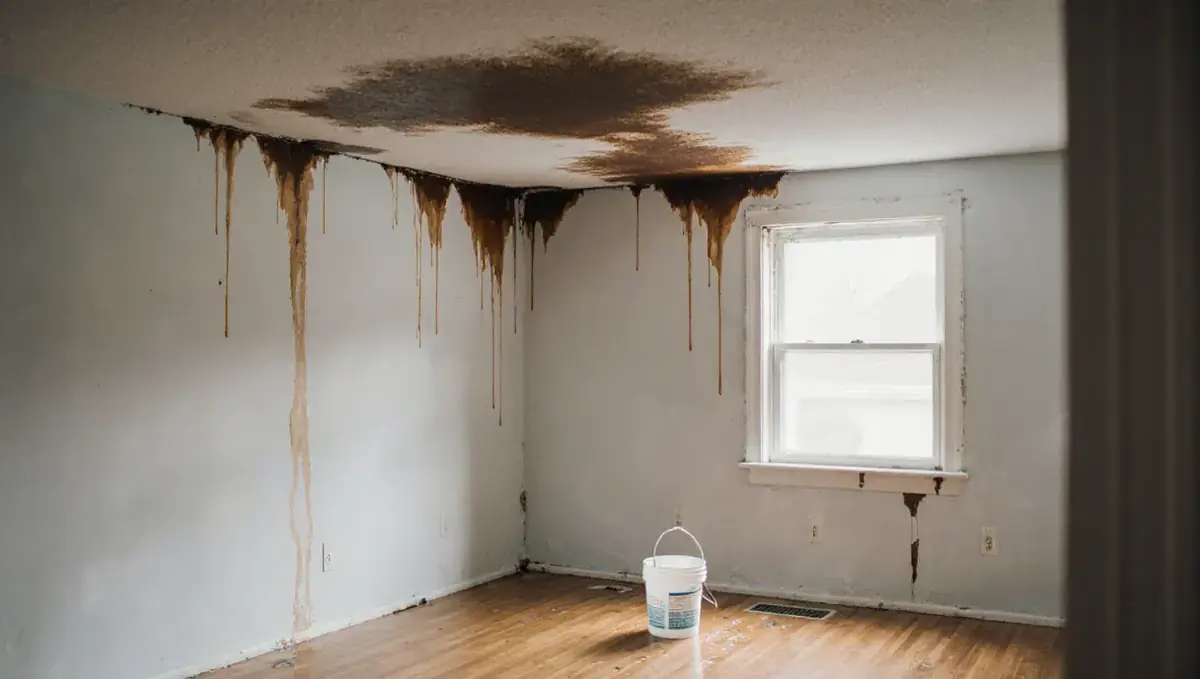
About 73 percent of occupied homes in Santa Monica are rented, according to 2020 census figures. That means many water damage calls in Santa Monica involve apartment and condo buildings, where one failed toilet supply line or dishwasher hose can travel down through ceilings into two or three other units.
Shared buildings raise questions that a single-family home does not:
- Tell the right people fast. Renters should notify the landlord or property manager right away, in writing if possible. Owners should alert neighbors above and below.
- Know whose policy applies. The building owner's insurance usually covers the structure, while renters insurance generally covers a tenant's belongings. Check your own policy for details.
- Document from the start. Photos of the ceiling, the source unit and your damaged items help sort out responsibility later.
Property managers can call (888) 817-5061 to be connected with a local restoration company that can take moisture readings unit by unit and set up structural drying across several apartments at once.
A Short Checklist for the Moment You Find Water
- Find the shutoff. Close the valve at the fixture or, if you cannot find the source, the main valve. In an apartment, building staff may need to shut off a riser.
- Stay clear of electricity. Water dripping near light fixtures or outlets is a hazard. Do not touch switches with wet hands or stand in water near appliances.
- Check the ceiling. A bulging, water-filled ceiling can collapse. Keep people out from underneath it.
- Sort the water. Clean supply water is Category 1. Toilet overflow or anything from outside, such as storm runoff, should be treated as Category 2 or 3 and avoided.
- Record and remove. Photograph everything, then move electronics, rugs and documents to a dry area.
- Get a professional on the way. Call (888) 817-5061, and we will connect you with a local provider for water removal and drying.
Inside the Restoration Process
Most water damage restoration in Santa Monica moves through four stages.
Water removal
Extractors pull water out of carpet, pad and hardwood. On upper floors, crews also check the ceiling and wall cavities below the source.
Moisture mapping
Meters and infrared cameras trace water behind cabinets, under tile and into the next unit. These readings set the drying plan and become part of the insurance file.
Drying and dehumidifying
Equipment runs until readings reach dry standards. Damp drywall, insulation or pad that cannot be saved is cut out so hidden spaces can dry.
Repair
Water damage repair follows once the structure is verified dry: patching or replacing drywall, refinishing floors, replacing trim and painting. Before hiring, ask any company about its licensing, insurance and training, such as IICRC certification.
Pacific Storms, the Pier and Neighboring Burn Scars
Santa Monica has seen what winter surf can do. In January 1983, 10-foot swells destroyed the lower deck of the Santa Monica Pier, and another storm that March left more than a third of the pier destroyed. Strong winter storms today are more likely to show up at home as wind-driven rain through windows, leaking flat roofs and water pooling at patio doors.
Big rain events in the region usually come from atmospheric rivers. In February 2024, downtown Los Angeles recorded 7.03 inches of rain in two days, and landslides were reported across Southern California.
Just north of the city, the January 2025 Palisades Fire burned about 23,448 acres. LA County Public Works warns that burn areas less than two years old are especially prone to mud and debris flows. If you live or own property near the canyons, check the county's debris and mudflow forecast before storms. For storm damage cleanup and flood cleanup, any water or mud that came in from outside should be handled as contaminated.
Catching Mold Early in Coastal Buildings
Mold needs very little time: the EPA notes growth can begin on materials left wet for 24 to 48 hours. In apartment buildings, it often begins where no one can see it: inside a shared wall, under a sink cabinet or above a ceiling that got wet from the unit upstairs. A musty smell is often the first clue.
California does not license mold assessors or remediators specifically, based on an industry roundup of state requirements. Work that involves construction, like removing and replacing walls, still falls under the Contractors State License Board. Since January 1, 2025, CSLB requires a license for jobs of $1,000 or more in combined labor and materials, or any job needing a permit. You can check a contractor on the CSLB license lookup.
Learn how mold removal and containment keep spores from spreading into clean rooms.
Coverage, Paperwork and Commercial Spaces
Santa Monica's shops and offices along Montana Avenue, Main Street, the Third Street Promenade and downtown deal with the same leaks and roof problems as homes, often with more people and inventory at stake.
- Flood needs its own policy. The California Department of Insurance notes that standard homeowners coverage excludes flood, mudslide and debris flow. NFIP flood policies cover mudflow, and a new policy generally starts 30 days after purchase.
- Earthquake is separate too. Water damage from a quake-broken pipe may raise coverage questions, so review your policy and any California Earthquake Authority coverage.
- Keep the records. Save photos, moisture logs, invoices and drying reports for the landlord, tenant and insurer.
WaterQ cannot tell you how a claim will be decided, but good records help. Call (888) 817-5061 to be connected with a local restoration company.
Where We Connect Callers In and Around Santa Monica
Our free referral line connects residents, landlords and business owners across Santa Monica and the surrounding Westside with independent local restoration providers.
Neighborhoods
- North of Montana
- Montana Avenue
- Northeast Neighbors
- Downtown Santa Monica
- Midtown Santa Monica
- Pico
- Ocean Park
- Sunset Park
- Main Street
- Third Street Promenade
Nearby communities
- Pacific Palisades
- Venice
- Brentwood
- West Los Angeles
- Sawtelle
- Santa Monica Canyon
Santa Monica Water Damage FAQ
Water from the apartment above is leaking into my Santa Monica unit. What should I do first?
Tell your landlord or building manager right away, keep away from any sagging ceiling or wet light fixture, and photograph the damage. Renters insurance usually covers your belongings, while the building owner's policy typically covers the structure.
When does Santa Monica get most of its rain?
Nearly all of the city's roughly 12 inches of yearly rain falls between late October and late March. Yearly totals vary a lot, so a dry stretch can be followed by a very wet winter.
Is there mudflow risk near Santa Monica after the Palisades Fire?
LA County Public Works warns that burn areas less than two years old are especially prone to mud and debris flows. Properties near the burned Pacific Palisades canyons should watch the county's debris flow forecasts during storms.
Does California require a mold remediation license?
According to an industry roundup, California has no state license specific to mold remediation. Construction work such as replacing drywall falls under CSLB rules, and jobs of $1,000 or more require a CSLB license.
Is WaterQ a restoration contractor?
No. WaterQ is a free referral service available 24/7. We connect you with an independent local restoration company in the Santa Monica area, and that company performs the inspection and work.
Local emergency and flood resources
Official sources for alerts, flood maps and preparedness in and around Santa Monica: