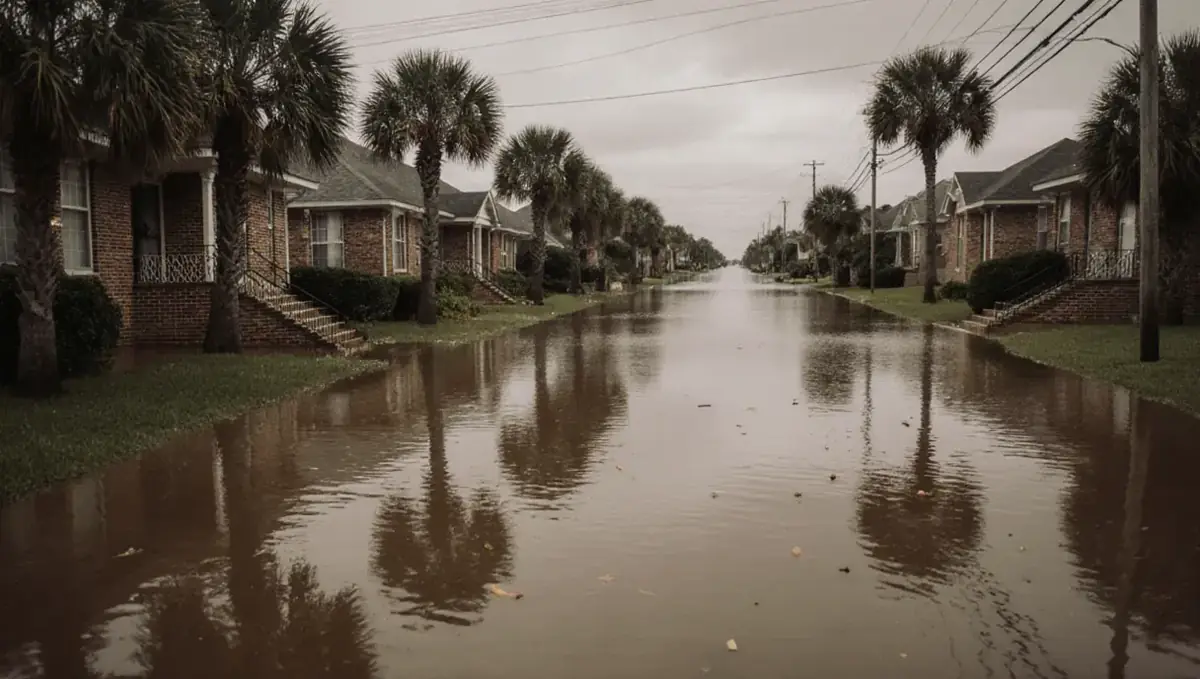
An Inland Village Built on Drained Everglades Land
Wellington is not a beach town, and its water problems look different from the coast. The village covers about 45 square miles of former swampland on the edge of the Everglades. In 1952 and 1953 the Army Corps of Engineers built a levee to hold back Everglades floodwaters, and the Acme Improvement District, created in 1953, has managed the land's drainage ever since.
Today Acme runs about 86 miles of canals and nine stormwater pump stations. Water moves through the canal network to the South Florida Water Management District's C-51 West Canal and through Stormwater Treatment Area 1-East toward the Loxahatchee refuge. The 150-acre Lake Wellington sits near the center of it all.
The Village says its main flood threats are tropical systems and afternoon thunderstorms from June to November, along with low-lying areas that flood from rising water. In other words, Wellington flooding is about rain and canal capacity, not tides.
Tropical Storm Isaac and the Limits of a Canal System
In late August 2012, Tropical Storm Isaac stalled bands of heavy rain over western Palm Beach County. The South Florida Water Management District recorded 15 inches in Wellington, and the National Weather Service reported 15 to 20 inches across Wellington and The Acreage. Rain overtopped canals, some neighborhoods sat under several feet of water, several homes flooded and many streets were impassable.
NWS estimated flood damage in western Palm Beach County at more than $8 million. Acme's own water control plan notes that Isaac's severe rainfall revealed improvements the system needed.
The takeaway for homeowners is that a well-engineered drainage system still has limits. When a slow storm parks overhead, water can rise into garages, pool around foundations and seep under doors for days. Our flood cleanup page covers what removing outside floodwater involves.
Tornadoes and Roof Damage Far From the Coast
Being inland does not protect Wellington from wind. On October 9, 2024, as Hurricane Milton crossed the peninsula, an EF3 tornado formed near Wellington and tracked about 29 miles north through Loxahatchee Groves, The Acreage and Palm Beach Gardens to Jupiter Farms, according to the National Weather Service. Homes in the Preserve at Binks Forest were among those damaged, with at least one garage door driven through a house.
Wind damage quickly becomes water damage. Once shingles, soffits or windows are breached, the next rain band soaks attics, insulation and ceilings. Storm damage cleanup in Wellington usually starts with tarping or boarding openings, then removing wet insulation and drywall and drying the structure. Learn more about storm damage cleanup.
Hurricanes Frances and Jeanne in 2004 and Wilma in 2005 also battered Palm Beach County, and Jeanne caused locally severe flooding in the western county farmlands.
Estates, Barns and Equestrian Properties
Wellington hosts the Winter Equestrian Festival, which runs more than forty weeks of competitions a year, and the International Polo Club Palm Beach. That means many properties include barns, stables, tack rooms, grooms' quarters and guest houses as well as a main home.
- Check every building. After a storm, inspect outbuildings for roof leaks and standing water, not just the house.
- Protect feed and tack. Wet hay, feed and leather goods can grow mold quickly in summer heat.
- Plan for time away. If you are away for part of the year, ask a property manager to check plumbing and roofs after summer storms.
Restoration companies that handle large or commercial properties can scale up equipment for barns and multi-building estates. Call (888) 817-5061 and we will connect you with a local provider.
Wellington Leak or Flood? Start Here
- Stay safe. The Village warns residents not to walk through flowing water or drive through flooded areas, and to stay away from downed power lines.
- Stop indoor leaks. For a burst pipe, water heater or appliance line, close the main shutoff.
- Know the water category. Supply-line water is Category 1. Canal overflow and stormwater are Category 3 and can carry contaminants, so keep children and pets out.
- Photograph everything. Capture waterlines, damaged items and the source before cleanup.
- Get help started. Call (888) 817-5061 to be connected with a local company that can begin emergency water extraction.
Drying Out a Wellington Home Properly
Water damage restoration in Wellington follows the same core sequence used across South Florida, with a few local twists.
Extraction and assessment
The crew removes standing water, then uses moisture meters and thermal imaging to trace it under tile, behind cabinets and into wall cavities.
Removal of wet materials
After stormwater or canal flooding, soaked drywall, baseboards, insulation and carpet are typically removed and surfaces are cleaned.
Controlled drying
Dehumidifiers and air movers run until readings hit dry standards. See structural drying for why rushing this step invites mold.
Repairs
Once dry, water damage repair restores drywall, flooring and finishes. Ask any company about its licensing, insurance and training, such as IICRC certification, before agreeing to the work.
Mold Licensing and Flood Coverage for Wellington Owners
EPA guidance says mold can start growing within 24 to 48 hours on damp materials. In Florida, mold assessors and mold remediators each need a license from the Department of Business and Professional Regulation, and the statute's definitions apply that requirement to jobs involving more than 10 square feet of mold. Search licenses on MyFloridaLicense.com and read about containment on our mold removal page.
Wellington has participated in the NFIP Community Rating System since 2003, and the Village reports a 20 percent premium reduction for properties in Special Flood Hazard Areas. The current flood maps took effect October 5, 2017, and the Village's flood information page explains how to confirm your zone. Homeowners policies generally exclude flood, and NFIP policies usually carry a 30-day wait. Florida's claim deadline is 1 year from the date of loss for an initial or reopened claim and 18 months for a supplemental one.
Wellington Communities and Neighboring Areas
WaterQ's free referral line connects callers across Wellington and the surrounding western Palm Beach County communities with independent local restoration providers.
Neighborhoods
- Palm Beach Point
- Grand Prix Village
- Saddle Trail Park
- Paddock Park
- Binks Forest
- Olympia
- Sugar Pond Manor
- Aero Club
- Palm Beach Polo
- Wellington Preserve
- Lake Wellington area
Nearby communities
- Royal Palm Beach
- Loxahatchee Groves
- The Acreage
- Greenacres
- Lake Worth Beach
- Lake Clarke Shores
- Westlake
- Loxahatchee
- Palm Beach Gardens
Wellington Water Damage FAQ
Can Wellington flood even though it is inland?
Yes. Wellington's flooding comes from heavy rain and canal capacity rather than tides. During Tropical Storm Isaac in 2012, 15 to 20 inches of rain overtopped canals and left some neighborhoods under several feet of water.
Who manages the canals in Wellington?
The Acme Improvement District manages surface water with about 86 miles of canals and nine stormwater pump stations, sending water to the C-51 West Canal. Keep grass clippings and debris out of drains and canals, and report dumping to the Village.
Does Wellington get a flood insurance discount?
Wellington participates in the NFIP Community Rating System, and the Village reports a 20 percent premium reduction for properties in Special Flood Hazard Areas. The Village can help you confirm your flood zone.
Can a restoration company help with barns and outbuildings?
Many local restoration companies handle large and multi-building properties. When you call WaterQ, mention barns, stables or guest houses so you are connected with a provider equipped for the job.
Is WaterQ the company that does the work?
No. WaterQ is a free referral service. We connect you with an independent, local restoration company serving Wellington, which inspects the damage and does the work. Call any time, day or night.
Local emergency and flood resources
Official sources for alerts, flood maps and preparedness in and around Wellington: