Living Three Feet Above Sea Level in South Dade
Homestead is about 26 miles southwest of Miami, wedged between Biscayne National Park to the east and Everglades National Park to the west. Much of the city sits at an elevation of only about 3 feet, on top of the Biscayne Aquifer. With so little height above the water table, rain that falls on saturated ground has few places to go.
The City of Homestead names four separate flood sources on its local flood hazard page:
- Surface water flooding when heavy rain overwhelms storm drains and spills into streets.
- Tidal flooding of low-lying land near the coast.
- Storm surge pushed in by hurricanes and tropical storms from Biscayne Bay and the Atlantic.
- Canal and waterway flooding after heavy, prolonged rain raises water levels in local channels such as the Mowry Canal (C-103).
The City also points out that every property can flood, and that a home in a FEMA Special Flood Hazard Area has a 26 percent chance of flooding over a 30-year mortgage. Most of the roughly 60 inches of yearly rain falls from May through October, so damp walls and floors rarely get help from dry outdoor air during the wet season.
What Andrew Taught Homestead About Wind and Water
On August 24, 1992, Category 5 Hurricane Andrew came ashore at Fender Point in Biscayne National Park, just east-northeast of Homestead Air Force Base, with sustained winds of 165 mph. The National Weather Service reports that more than 99 percent of mobile homes in the hardest-hit part of Homestead were destroyed, and roughly 49,000 homes were destroyed across southern Dade County.
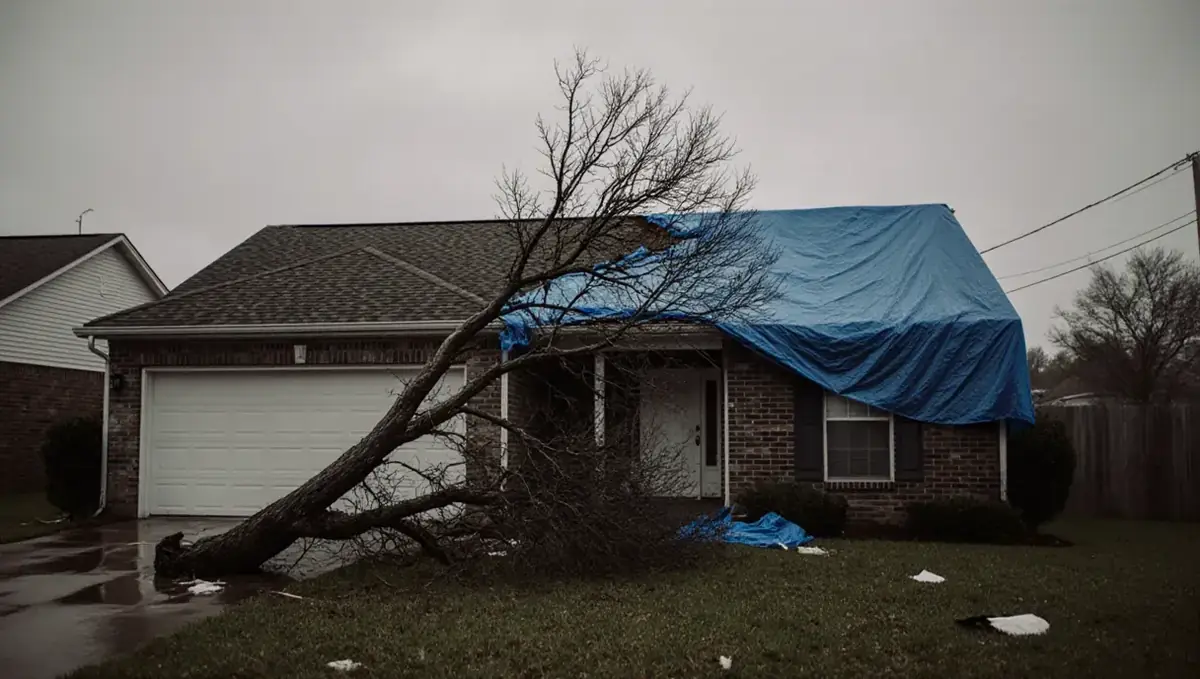
Andrew was mainly a wind disaster here, but wind damage quickly becomes water damage. Once a roof deck, window or door fails, rain pours into ceilings, insulation and wall cavities. After the storm, Florida built a statewide building code, which took effect in 2002, and later studies found homes built under it held up better in hurricanes.
For Homestead owners, that history matters in practical ways. Homes built before 2002 may have older roof attachment and openings, and manufactured homes remain the most exposed to high wind. After any storm, check ceilings and attic spaces for wet insulation even if the roof looks intact from the ground. If you find water, storm damage cleanup should start with tarping or temporary repairs so more rain does not get in.
Steps to Take Before the Restoration Company Gets There
- Put safety first. Stay out of standing water that may touch outlets, cords or appliances. If the breaker panel is in a dry, safe spot, cut power to the affected area.
- Shut off the source. For a burst supply line or failed water heater, close the main valve. For storm water, focus on keeping people and pets out of it.
- Judge the water type. Clean supply-line water is Category 1. Floodwater, canal overflow or surge is Category 3 and should be treated as contaminated.
- Record the damage. Photograph and video every room, the source and damaged belongings before moving anything.
- Rescue what you can. Lift furniture onto blocks or foil and move documents, rugs and electronics to a dry room.
- Bring in help. Call (888) 817-5061, any time, day or night, to be connected with a local restoration company that can start water extraction.
How a Wet Homestead House Gets Dried and Rebuilt
Water damage restoration in Homestead generally follows the same core steps, though the details depend on the source and how long materials stayed wet.
Pulling out the water
Crews use pumps and extractors to remove standing water from tile, carpet and pad. Removing bulk water early limits how far it wicks up drywall and into cabinet bases.
Finding hidden moisture
Moisture meters and thermal cameras show where water moved under flooring, behind baseboards and into interior walls. Those readings guide the plan and support your insurance file.
Drying the structure
Air movers and dehumidifiers run until readings reach dry targets. In South Florida humidity, dehumidification does much of the work, and soaked drywall and insulation are often cut out so cavities can dry. Learn more about structural drying.
Putting it back together
When materials are confirmed dry, water damage repair replaces drywall, flooring, trim and cabinetry. It is smart to ask any Homestead contractor about licensing, insurance and training (IICRC certification is one example) before you sign.
Flood Cleanup After Canal Overflow or Surge
Water that comes from outside is handled differently from a plumbing leak. Flood cleanup in Homestead after canal overflow, street flooding or surge usually means removing soaked drywall, insulation and carpet, then cleaning and disinfecting surfaces before drying begins. Wear gloves and boots, and keep children away from the water.
Miami-Dade assigns storm surge planning zones for evacuation, and those zones are separate from FEMA flood zones used for insurance. It is worth looking up both for your address on the county's Know Your Zone page and the FEMA Flood Map Service Center. The City's Development Services office also offers flood hazard information for properties inside city limits.
See how flood cleanup works, or compare with nearby pages for Kendall and Miami.
Heat, Groundwater and Mold in South Dade Homes
EPA guidance notes that mold can begin growing on wet materials within 24 to 48 hours. With Homestead's heat, humidity and high groundwater, a slow leak behind a vanity or a wet wall after a storm can turn into a mold problem quickly.
In Florida, mold assessment and mold remediation are two separately licensed trades, both overseen by the Department of Business and Professional Regulation (DBPR) under Chapter 468, Part XVI of the Florida Statutes. To earn either license, a person needs education or field experience, a passing exam score and a fingerprint background check. The statute's definitions tie the licensing requirement to jobs involving more than 10 square feet of mold, so a small spot may not trigger it while a wet Homestead wall cavity often will.
For a larger job, check the assessor and the remediator separately on MyFloridaLicense.com. Read more about mold removal and how containment keeps spores out of the rest of the house.
Insurance, Claims and Paperwork for South Dade Owners
- Flood needs its own policy. A typical homeowners policy leaves out flood, so Homestead owners near canals or the bay rely on separate NFIP or private flood coverage, and a new NFIP policy usually waits 30 days to take effect.
- Report on time. Under Florida Statute 627.70132, notice of an initial or reopened property claim must be given within 1 year of the date of loss, and a supplemental claim within 18 months.
- Citizens customers. By January 1, 2027, all Citizens personal residential policies that include wind coverage must also carry flood insurance.
- Keep a full file. Save photos, receipts, moisture readings and the restoration company's drying logs.
Rental owners, farm operators and small businesses face the same steps, often with more square footage to document. WaterQ cannot predict what an insurer will approve, but good records help. To be connected with a local provider, call (888) 817-5061.
Homestead Neighborhoods and South Dade Communities
Our free referral line connects callers in Homestead and the surrounding south Miami-Dade area with independent local restoration providers.
Neighborhoods
- Downtown Homestead
- Keys Gate
- Waterstone
Nearby communities
- Florida City
- Leisure City
- Naranja
- Princeton
- Redland
- Homestead Base
- Cutler Bay
- Palmetto Bay
- Goulds
- Key Largo
Homestead Water Damage FAQ
Why does water linger in Homestead yards and streets after heavy rain?
Much of Homestead sits only about 3 feet above sea level over the shallow Biscayne Aquifer. When the ground is already saturated and canals are high, rainwater drains slowly, and the City lists storm drain overflow and canal flooding among its local flood sources.
My Homestead home was built before 2002. Does that matter for storm damage?
It can. Florida's statewide building code, created after Hurricane Andrew, took effect in 2002, and homes built under it have generally fared better in hurricanes. Older homes are worth checking for roof and opening weak points, and any storm damage should be inspected for hidden water in ceilings and walls.
How do I know if my Homestead property is in a flood zone?
Look up your address on the FEMA Flood Map Service Center, and check the Miami-Dade storm surge planning zone separately, since the two are used for different purposes. The City of Homestead's Development Services office also provides flood hazard information.
Is a mold license required for remediation work in Florida?
Florida DBPR licenses mold assessors and mold remediators, and under the statute's definitions the license applies to jobs involving more than 10 square feet of mold. You can confirm a license on MyFloridaLicense.com.
Who actually comes out when I call WaterQ from Homestead?
WaterQ is a free referral service. We connect you with an independent, local restoration company, and that company handles the inspection, the estimate and the work. The phone line is available 24/7.
Local emergency and flood resources
Official sources for alerts, flood maps and preparedness in and around Homestead: