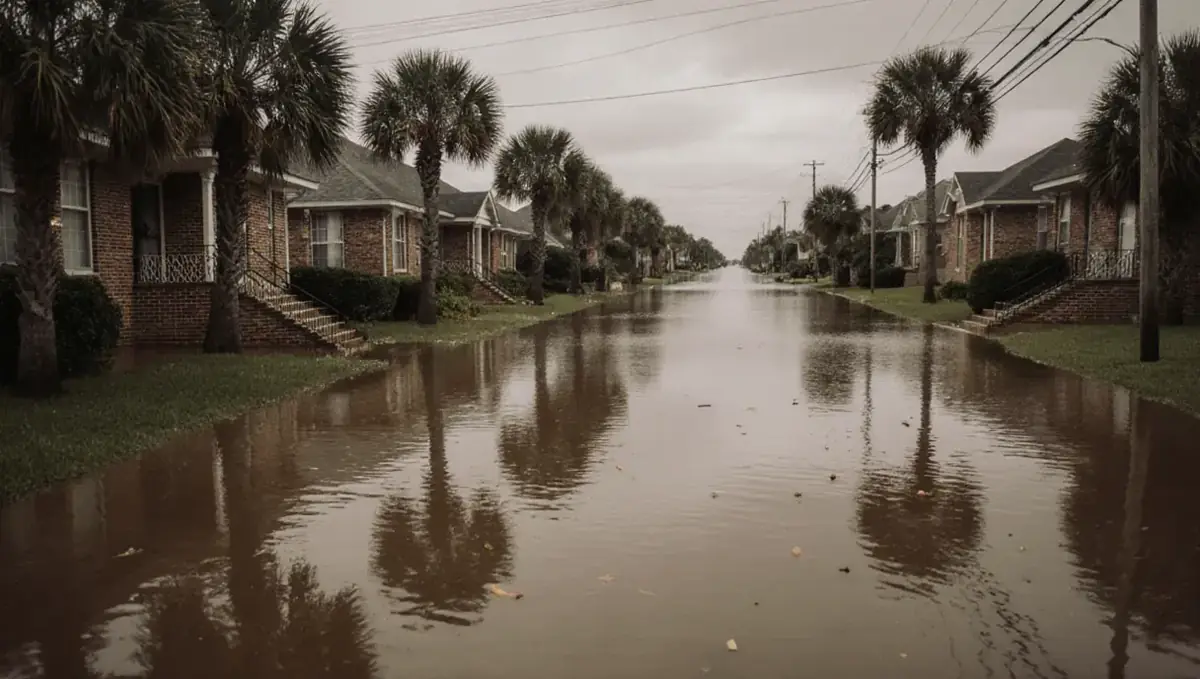
A City Built Around 120 Lakes
Orlando sits roughly 42 miles from the Atlantic at an elevation of about 89 feet, so storm surge isn't the main worry here. Water is. The City of Orlando counts approximately 120 lakes partly or wholly inside its limits, and those lakes are the final stop for about 90 percent of the city's stormwater runoff.
Much of central Orlando is a landlocked drainage area, meaning rain that falls there has no natural river or creek to carry it away. To keep neighborhoods dry, the city maintains about 150 drainage wells, mostly in older parts of town, that send stormwater down into the aquifer. City planners note that many areas around lakes near Downtown would flood without them.
That system works well most days. When rain arrives faster than drains, pipes and wells can take it, though, water collects in streets, yards and sometimes living rooms. If that happens at your address, water damage restoration in Orlando starts with a phone call to (888) 817-5061.
Cloudbursts, Tropical Rain and the 2024 South Orlando Flood
Orlando's rainy season runs from about May until late October, and most of the year's rain falls between June and September. The City notes that a single summer storm can drop 1 to 3 inches in a few hours.
- Short, intense downpours. On September 1, 2024, the city's Public Works director reported about four inches of rain in one hour over South Orlando, far more than the roughly 0.85 inches per hour the local stormwater system was designed to handle. Homes in the Wadeview Park neighborhood flooded, and there was also flooding in SoDo and Downtown.
- Hurricane rainfall. Hurricane Ian dumped more than a foot of rain at Orlando International Airport in 24 hours in late September 2022, helping make that month the wettest on record for the city. Area lakes and the neighborhoods around them flooded across Central Florida.
- Wind damage. Three hurricanes hit Orlando in 2004, with Charley causing the most damage. Irma, Ian and Milton also caused notable damage in later years.
Rain that comes in through a damaged roof or seeps under a door needs the same urgent attention as a burst pipe.
What to Do Before Help Shows Up
A few calm steps can keep a bad situation from getting worse:
- Cut off the source. Close the main water valve for plumbing leaks. For rising floodwater, move people and pets to higher ground first.
- Keep away from wiring. Stay out of standing water near outlets, appliances or extension cords. Switch off breakers only if you can reach the panel without stepping into water.
- Consider what the water carried. A broken supply line is usually clean water (Category 1). Street runoff and lake overflow should be treated as contaminated (Category 3).
- Record the damage. Photograph and video every wet room, the source of the water and damaged belongings before cleanup begins.
- Protect what you can. Move electronics, papers and rugs to a dry area and set furniture legs on blocks or foil.
Then call (888) 817-5061. We'll connect you with a local provider for emergency water removal, and the phone line is open 24/7.
Extraction, Drying and Repair, Step by Step
The local restoration company you're connected with will assess your property, but most Orlando jobs move through the same stages.
Removing the water
Pumps and extractors pull standing water from floors, carpet and pad. Getting the bulk water out quickly limits how far it wicks into drywall, baseboards and cabinets.
Finding hidden moisture
Moisture meters and thermal cameras show where water traveled under tile, behind walls and into neighboring rooms. Those readings shape the drying plan and support your insurance file.
Drying the structure
Air movers and dehumidifiers run until materials reach normal moisture levels, with readings checked as the work goes. Central Florida's summer humidity makes dehumidification essential to structural drying. Saturated drywall and insulation are often removed so wall cavities can dry.
Putting things back
After the structure is confirmed dry, water damage repair covers drywall, flooring, trim and cabinetry. Before signing anything, ask the company about its licensing, insurance and training, for example IICRC certification.
Flood Cleanup Near Orlando's Lakes and Low Streets
Homes along lakes and in low spots of landlocked basins can see water linger after a big storm, because the water has nowhere quick to go. That is when flood cleanup becomes more than mopping: contaminated flooring, drywall and insulation usually come out, surfaces are cleaned and sanitized, and then drying begins.
After wind events, storm damage cleanup often pairs roof tarping with drying out ceilings and attics that took on rain. Keep children away from outdoor floodwater, and don't drive through flooded roads.
The City asks residents to keep storm drains clear of leaves and not to rake yard waste into streets, since clogged inlets add to street flooding. You can report flooding to the city at 407-246-2238. Look up your flood zone on the city's floodplain information page, and sign up for Orange County emergency alerts through OCFL Alert.
Mold Cleanup in Central Florida Heat
EPA guidance says mold can start growing on wet materials within 24 to 48 hours, and Orlando's long, hot and humid rainy season gives it plenty of opportunity. Wet carpet pad, the back side of drywall and the inside of cabinets are common trouble spots after a leak.
In Florida, mold assessors and mold remediators each need a license from the Department of Business and Professional Regulation (DBPR). The statute's definitions tie that license to jobs involving more than 10 square feet of mold. You can confirm a license by name or number on MyFloridaLicense.com before work begins.
Professional mold removal uses containment to keep spores from drifting into clean rooms while affected materials are removed.
Insurance, Flood Zones and Claim Records in Orange County
- Flood coverage is its own policy. Standard homeowners policies generally exclude flood. Coverage comes from an NFIP or private flood policy, and NFIP policies typically have a 30-day waiting period.
- A local discount. The City of Orlando participates in FEMA's Community Rating System at Class 6, which the city says gives residents a 20 percent discount on flood insurance premiums.
- Florida's claim deadlines. Under Florida Statute 627.70132, notice of an initial or reopened claim is due within 1 year of the date of loss, and a supplemental claim within 18 months.
- Citizens customers. Citizens is phasing in a flood requirement, and by January 1, 2027 its personal residential policies with wind coverage will need flood coverage as well.
- Paperwork matters. Keep photos, moisture logs, receipts and drying reports together.
WaterQ can't predict how an insurer will rule, but a complete record helps you make your case.
Homes, Rentals and Businesses Across the City
Orlando has 115 neighborhoods, from brick-street historic districts near Downtown with some of the city's oldest homes to newer development in Lake Nona and MetroWest. Older houses may have original plumbing and framing that deserve a careful look after any leak, while newer homes and apartment complexes have their own weak points, like supply lines and water heaters.
Property managers, landlords and business owners can use the same line. A restoration provider can plan drying around tenants, guests or operating hours. For help elsewhere in the region, see our pages for Kissimmee and Sanford.
Orlando Neighborhoods and Orange County Communities
Our free referral line connects callers throughout Orlando and the surrounding Central Florida area with independent local restoration companies.
Neighborhoods
- Downtown Orlando
- Parramore
- College Park
- Lake Eola Heights
- Thornton Park
- Delaney Park
- SoDo
- Wadeview Park
- Baldwin Park
- Audubon Park
- Colonialtown
- MetroWest
- Lake Nona
- Rosemont
Nearby communities
- Winter Park
- Maitland
- Pine Hills
- Dr. Phillips
- Windermere
- Apopka
- Ocoee
- Winter Garden
- Altamonte Springs
- Oviedo
- Union Park
- Eatonville
Orlando Water Damage FAQ
Why do some Orlando neighborhoods flood when there is no hurricane?
Much of central Orlando drains into landlocked lakes, and the stormwater system can be overwhelmed by intense bursts of rain. In September 2024, about four inches fell in an hour over South Orlando by the city's estimate, flooding homes in Wadeview Park even without a tropical storm.
What are Orlando's drainage wells?
The city maintains about 150 drainage wells, mostly in older neighborhoods, that move stormwater into the aquifer. City planners say many areas around lakes near Downtown would flood without them, so keeping nearby storm drains clear of debris helps.
Can Orlando residents get a flood insurance discount?
The City of Orlando participates in FEMA's Community Rating System at Class 6, which the city says brings a 20 percent discount on flood insurance premiums for residents. Ask your agent how it applies to your policy.
Do I need a licensed mold remediator in Florida?
Florida's DBPR licenses mold assessors and mold remediators, and the license applies to jobs with more than 10 square feet of mold. You can check a license on MyFloridaLicense.com.
Is WaterQ a restoration company?
No. WaterQ is a free referral service. When you call, we connect you with an independent, local restoration company that inspects the damage and does the work. The line is available 24/7.
Local emergency and flood resources
Official sources for alerts, flood maps and preparedness in and around Orlando: