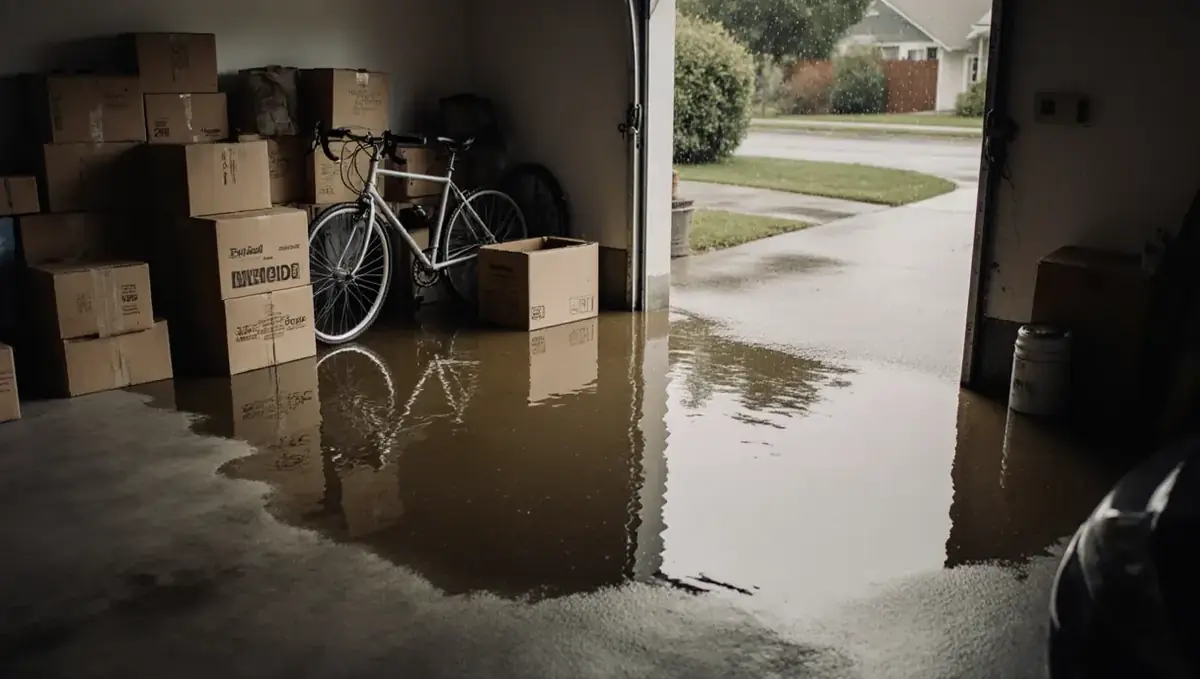
Most of Miramar Sits in the Floodplain
Miramar stretches along the Broward-Miami-Dade county line from the older eastern neighborhoods out toward the Everglades. The city sits at an average elevation of about 7 feet, and its own flood risk assessment reports that 82.8 percent of Miramar lies within the 1-percent-annual-chance floodplain, mapped as Zone AE.
That same assessment names the Red Road/NW 57th Avenue Canal and the Snake Creek Canal, also called C-9, as the city's primary sources of flooding. When those canals and the lakes connected to them run high, water has fewer places to go, and lakes in some areas can take a long time to recede.
The city's planners model what a 1-percent-annual-chance flood could do: roughly 18,459 homes damaged and about 58,515 residents affected. Those are estimates, not a forecast, but they explain why water damage in Miramar is a real concern well away from the ocean.
Three Ways Water Builds Up in Miramar
- Canal flooding. During long, heavy rain, canal and lake levels rise and can push water toward yards, streets and garages.
- Flash flooding. Intense bursts of rain can overwhelm drainage in built-up areas with lots of pavement and rooftops.
- Compound flooding. The city's assessment warns about combinations of heavy rain, king tides and higher groundwater, which together reduce how quickly water can drain.
Inside the home, everyday leaks add to the list: failed water heaters, cracked supply lines, washing machine hoses and clogged AC condensate drains. A storm-free week can still bring a call for water damage repair in Miramar.
Eta, Irene and the April 2023 Rains
Miramar's flood history is mostly about rain. On October 15, 1999, flooding from Hurricane Irene swamped most of the metro areas of Miami-Dade, Broward and Palm Beach counties. On November 8 and 9, 2020, Tropical Storm Eta dropped 12 to 18 inches of rain on southwest Broward communities from Weston to Miramar, and residents reported significant street flooding across the city.
Then on April 12 and 13, 2023, parts of Broward received 15 to 25 inches between noon and midnight. The city's assessment lists that storm among Miramar's most damaging recent events.
After any of these, flood cleanup in Miramar follows the same rule: treat water that came in from outside as contaminated. Wet carpet, pad and lower drywall usually have to come out before the home can dry. Our flood cleanup page walks through the process.
Historic Miramar and the Drainage Upgrade
The eastern part of the city, known as Historic Miramar, dates to the city's early years after its 1955 incorporation. The City says the area has non-existent drainage infrastructure in places, meaning no catch basins, pipes or exfiltration systems, and that many swales have filled in with silt or landscaping over time.
Miramar is now working through a six-phase Historic Miramar drainage project covering areas between County Line Road, State Road 7, Pembroke Road and the Florida Turnpike. Until work reaches your block, keep swales clear, watch low entry points and garages during heavy rain, and report problems to the city at 954-602-HELP (4357).
First Things to Do When Your Miramar Home Takes On Water
- Avoid shock hazards. Stay out of water touching outlets or appliances, and turn off breakers only if you can reach the panel while standing somewhere dry.
- Close the water main if the source is a pipe, water heater or appliance.
- Judge the water. Clean supply water is Category 1. Canal water, street runoff and anything that has crossed a yard should be handled as Category 3.
- Record the damage. Take wide and close-up photos, including the water line on walls and garage contents.
- Move valuables up. Get electronics, documents and keepsakes off the floor.
- Line up help. Call (888) 817-5061 and we will connect you with a local provider for water extraction.
How Local Pros Dry Out a Miramar Property
Water damage restoration in Miramar usually involves the following steps, adjusted to the size of the loss.
Pump-out and extraction
Standing water is removed from garages, tile, carpet and pad. In a flood, mud and debris are cleared too.
Inspection with meters
Technicians check walls, floors and cabinets with moisture meters and thermal cameras so hidden pockets of water are not left behind.
Removal and sanitizing
Materials soaked by floodwater, such as lower drywall, insulation and carpet pad, are removed, and the remaining surfaces are cleaned and sanitized.
Drying and rebuild
Dehumidifiers and air movers run until readings reach dry standards. Learn about structural drying. Repairs follow, including drywall, paint, doors and flooring. Before you hire, ask the company about its licensing, insurance and training, for example IICRC certification.
Mold Cleanup in Miramar and State Licensing
When a home stays wet, mold follows. Following EPA guidance, growth can begin within 24 to 48 hours on damp drywall, wood and carpet, and South Florida humidity speeds things up. Slow-draining lakes and saturated ground after big rains can keep garages, baseboards and lower walls damp longer.
For mold remediation in Miramar larger than 10 square feet, Florida law requires licensed professionals. The Department of Business and Professional Regulation issues one license to mold assessors and another to mold remediators. Check both on MyFloridaLicense.com before signing. Read more on our mold removal page.
Flood Insurance When You Live in Zone AE
With most of the city mapped in Zone AE, many Miramar homeowners with federally backed mortgages are required to carry flood insurance. Even if you are not required to, a regular homeowners policy generally will not pay for water rising from outside. New NFIP policies usually start after a 30-day wait. Miramar takes part in the NFIP Community Rating System, which recognizes floodplain management that goes beyond the minimum.
- Report losses promptly. Florida Statute 627.70132 sets a 1-year limit from the date of loss for new or reopened claims and 18 months for supplemental claims.
- Citizens policyholders with wind coverage on a personal residential policy need flood coverage by January 1, 2027.
- Keep moisture logs, photos and invoices from the restoration company together.
Businesses and property managers can also call. The line at (888) 817-5061 is open 24/7, and it serves neighboring Pembroke Pines and Miami Gardens as well.
Miramar Neighborhoods and Surrounding Communities
Our free referral line connects callers in every part of Miramar, from Historic Miramar to the western subdivisions, and in nearby South Broward and north Miami-Dade communities with independent local restoration companies.
Neighborhoods
- Historic Miramar
- Silver Shores
- Monarch Lakes
- Riviera Isles
- Sunset Lakes
- Miramar Isles
- Country Club Ranches
Nearby communities
- Pembroke Park
- West Park
- Southwest Ranches
- Hallandale Beach
- Miami Lakes
- Hialeah Gardens
- Davie
- Weston
Miramar Water Damage FAQ
How much of Miramar is in a flood zone?
The city's flood risk assessment reports that 82.8 percent of Miramar is in the 1-percent-annual-chance floodplain, mapped as Zone AE. You can confirm your property's zone with FEMA's flood maps.
What are the main flooding sources in Miramar?
The city identifies the Red Road/NW 57th Avenue Canal and the Snake Creek Canal (C-9) as its primary flooding sources, along with flash flooding and compound flooding when heavy rain, high tides and groundwater combine.
Why does water stand on streets in Historic Miramar?
The City says parts of Historic Miramar lack catch basins, pipes and exfiltration systems, and swales have filled with silt or landscaping. A six-phase drainage project is under way to address it.
Is a license required for mold removal in Florida?
For jobs involving more than 10 square feet of mold, yes. Florida's DBPR licenses mold assessors and mold remediators, and you can verify a license on MyFloridaLicense.com.
Does WaterQ send workers to Miramar homes?
No. WaterQ is a free referral service. We connect you with an independent, local restoration company that handles the inspection and the work. You can call any time, day or night.
Local emergency and flood resources
Official sources for alerts, flood maps and preparedness in and around Miramar: