Two Cities Divided by the Halifax River
Daytona Beach is split down the middle by the Halifax River, a lagoon that forms part of the Intracoastal Waterway. East of the river is the barrier-island beachside, lined with hotels and condominiums facing the Atlantic. West of it is the mainland, home to most of the city's neighborhoods. The city as a whole sits at an elevation of about 13 feet.
Those two halves face different water problems. Beachside properties deal with wind, surge and erosion during hurricanes and nor'easters. Mainland neighborhoods are more likely to see rainwater that can't drain fast enough. Volusia County's own mitigation strategy calls flooding the most frequent and costly natural hazard in the area.
When water reaches your floors, call (888) 817-5061. We'll connect you with a local company that handles water damage restoration in Daytona Beach.
Why Midtown Floods Again and Again
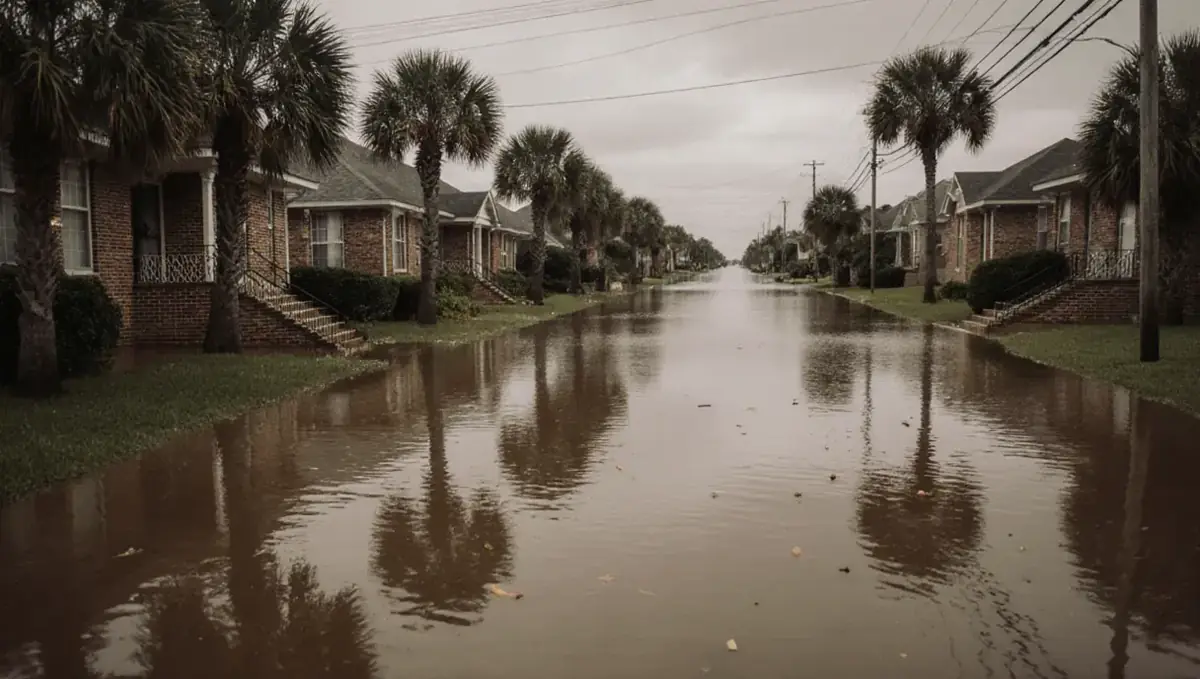
Midtown is the lowest part of the city. The mayor has described it as being shaped like a bowl, with runoff flowing in from the neighboring Newtown area. A U.S. Army Corps of Engineers study of the area bounded by Beville Road, Orange Avenue, Nova Road and Ridgewood Avenue, home to more than 8,000 people, found the land lacks enough slope to drain quickly to the Halifax River, and that high tides or surge make it worse. The Corps concluded there is no affordable way to stop the chronic flooding.
Residents know the pattern. One Midtown homeowner flooded in 2004, 2016, 2017 and again in 2022, when Hurricane Ian left about 3 feet of water inside. During Ian, the Nova Canal clogged with debris and overflowed into homes, and FDOT later spent nearly $900,000 to clean and reshape it.
If you live in a repeat-flood area, plan ahead: keep valuables off the floor, know your flood zone and have flood cleanup help lined up before the next storm.
Beachfront Erosion After Ian and Nicole
The 2022 season hit the oceanfront twice. Weeks after Ian, Hurricane Nicole struck in November with gusts over 70 mph, and its erosion tore away dunes, seawalls and parts of foundations. Volusia County reported structural damage to 49 beachfront buildings, which the county manager called unprecedented. Two dozen hotels and condos in Daytona Beach Shores and New Smyrna Beach were evacuated.
For condo owners and associations, a storm can bring several kinds of damage at once: rain driven through windows and sliding doors, roof leaks, and water traveling between floors. Storm damage cleanup usually starts with stopping new water from getting in, then drying affected units and common areas. Commercial buildings and hotels may need large-scale structural drying planned around guests and tenants.
Halifax-Side Safety Steps Before the Crew Gets There
- Turn around, don't drown. Volusia County warns against driving on flooded roads or crossing flowing water.
- Watch for live electricity. Stay out of water near outlets and appliances, and keep away from downed lines.
- Close the valve. For a plumbing failure, shut off the main water supply or the fixture valve.
- Assume floodwater is dirty. Halifax River, canal and street water counts as Category 3 and may carry sewage and debris. Clean supply-line water is Category 1 but can degrade if it sits.
- Record everything. Photos and video of the water level, damaged items and the source are the start of any claim.
- Get water out fast. Call (888) 817-5061 to be connected with a local provider for water extraction.
Inside a Daytona Beach Drying Job
Restoration companies tailor each project, but most follow these stages.
Remove standing water
Extraction equipment clears floors, carpet and pad so less water wicks up into walls.
Clean out contaminated material
After floodwater, crews typically cut out wet drywall and insulation below the water line and clean and disinfect remaining surfaces.
Dry with measurement
Dehumidifiers and air movers work while technicians check moisture readings until materials are back to normal. Coastal summer humidity makes dehumidification a must.
Restore
Water damage repair brings back drywall, flooring, trim and cabinets. Before work starts, ask the company about its licensing, insurance and training, such as IICRC certification.
Mold Removal Rules Florida Homeowners Should Know
EPA guidance notes that mold can begin growing within 24 to 48 hours on wet materials. In Daytona Beach, a flooded home that can't be opened up right away is especially vulnerable.
Florida licenses mold assessors and mold remediators as two separate professions through DBPR. Based on the statute's definitions, those licenses apply to jobs involving more than 10 square feet of mold. Look up each professional on the DBPR license search at MyFloridaLicense.com before signing a contract.
A remediator handling mold removal will usually contain the area with plastic sheeting and filtered air so spores stay put while damaged materials come out.
Insurance, Flood Zones and Local Records
Standard homeowners and condo policies generally do not cover flood. That coverage comes from the NFIP or a private flood policy, and Volusia County reminds residents that NFIP policies have a 30-day waiting period.
- Check your flood zone on the FEMA Flood Map Service Center, and call Volusia County Building and Code Administration at 386-626-6591 to ask about past flooding, drainage problems or repetitive loss areas near your address.
- Florida Statute 627.70132 requires notice of an initial or reopened claim within 1 year of the loss and a supplemental claim within 18 months.
- If Citizens insures you, note the flood phase-in: by January 1, 2027, its personal residential policies that include wind coverage must also include flood.
- Sign up for AlertVolusia notifications, and see the county's flood information page.
WaterQ has no say in claim decisions, but thorough records help. Call (888) 817-5061 to reach a local restoration company. We also connect callers in Palm Coast and Sanford.
Daytona Beach Areas and Nearby Volusia Communities
Our free referral line connects callers on both sides of the Halifax River and throughout the surrounding coast with independent local restoration companies.
Neighborhoods
- Beachside
- Downtown Daytona Beach
- Midtown
- Newtown
- Seabreeze
- Ridgewood Avenue corridor
- Nova Road corridor
- Beville Road area
Nearby communities
- Daytona Beach Shores
- Holly Hill
- Ormond Beach
- South Daytona
- Port Orange
- Ponce Inlet
- Wilbur-by-the-Sea
- New Smyrna Beach
- DeLand
- Ormond-by-the-Sea
Daytona Beach Water Damage FAQ
Why does Midtown Daytona Beach flood so often?
Midtown sits in low, bowl-shaped terrain with little slope toward the Halifax River, so water drains slowly, especially when tides or surge are high. An Army Corps of Engineers study found no affordable way to fully stop the chronic flooding there.
Can a hurricane damage my beachside condo even if it doesn't flood?
Yes. Wind-driven rain, roof leaks and water moving between units are common. In 2022, Hurricane Nicole's erosion also damaged dunes, seawalls and foundations, leaving 49 Volusia beachfront buildings structurally damaged.
How can I learn whether my Daytona Beach address has flooded before?
Volusia County Building and Code Administration, at 386-626-6591, can share information on historical flooding, drainage issues and repetitive loss areas. You can also look up your flood zone on the FEMA Flood Map Service Center.
Is a license required for mold remediation in Florida?
Florida DBPR licenses mold assessors and mold remediators, and the license applies to jobs involving more than 10 square feet of mold. You can verify a license on MyFloridaLicense.com.
Who actually does the work when I call WaterQ?
An independent, local restoration company. WaterQ is a free referral service that connects you with that company by phone, 24/7. The company handles the inspection, estimate and work.
Local emergency and flood resources
Official sources for alerts, flood maps and preparedness in and around Daytona Beach: