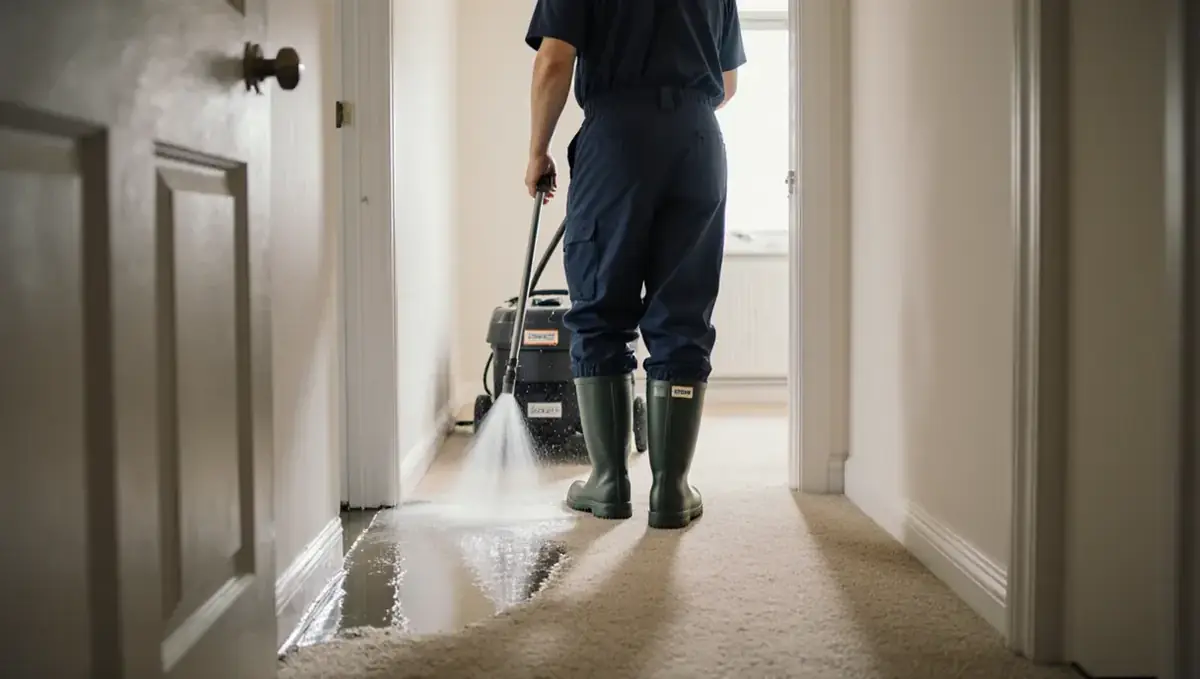
Why Water Finds Its Way Into Miami Properties
Miami sits on the edge of Biscayne Bay at an average elevation of roughly 7 feet, and even its highest natural ground in Coconut Grove is only about 24 feet above sea level. Beneath the city is porous Miami limestone over the Biscayne Aquifer, so groundwater sits within about 15 to 20 feet of the surface. When heavy rain arrives, there is simply not much room for it to go, and standing water can linger.
Several different sources of water put local homes and buildings at risk:
- Wet-season downpours. The National Weather Service in Miami notes that 60 to 70 percent of the year's rain falls between May 15 and October 15, and a near-normal rainy season typically brings 8 to 10 significant flood events across South Florida.
- King tides. The City of Miami says these predictable high tides arrive every year from September through November and can flood streets near the coast and waterways, as well as some low-lying inland areas, even on sunny days.
- Storm surge. During Hurricane Irma in 2017, 3 to 5 feet of water pushed in along the Biscayne Bay shoreline up to Downtown and Brickell, reaching one to two blocks inland.
- Plumbing failures. Supply lines, water heaters and appliance hoses fail here like anywhere else, and in a high-rise one leak can travel through several floors.
Annual rainfall at Miami International Airport averages about 67 inches (NOAA 1991-2020 normal), which means wet materials rarely get help from dry air. That is why fast structural drying matters so much in this city.
Condo and High-Rise Leaks: Who Pays for What
Miami has more than 300 high-rises, and condominium living is common in Brickell, Downtown and Edgewater. When water moves from one unit to the next, the first question is usually about responsibility.
Under Florida's condominium statute (Fla. Stat. 718.111(11)), the association's property insurance excludes in-unit items such as floor, wall and ceiling coverings, appliances, water heaters, built-in cabinets and countertops. Those items usually fall to the unit owner's own HO-6 policy. Unit owners can also be held liable for damage caused by their own negligence, such as an unrepaired leak that spreads to a neighbor.
- Notify building management right away so they can check the units above and below you.
- Photograph the source of the leak and every affected room before anything is moved.
- Review your declaration and your HO-6 coverage together, ideally before a leak happens.
Property managers handling common areas, lobbies or retail space can call (888) 817-5061 as well. The restoration company you are connected with can document moisture readings unit by unit, which helps owners, the association and the insurers sort out the claim.
The First Few Hours After Water Gets In
What you do early on can limit how much has to be torn out later. Stay safe first, then work through these steps:
- Stop the water. Shut off the main valve or the fixture valve. In a condo, ask building staff where your unit's shutoff is if you don't already know.
- Avoid electrical hazards. Do not walk through standing water near outlets, power strips or appliances. Turn off power to wet areas only if you can reach the breaker safely.
- Think about the water source. Clean water from a supply line (Category 1) is very different from floodwater or surge (Category 3), which can carry sewage and contaminants. Keep children and pets away from outside floodwater.
- Document everything. Take photos and video of the water, the source and damaged belongings.
- Move what you can. Lift furniture legs onto foil or blocks and get rugs, papers and electronics out of wet areas.
- Get professional help. Call (888) 817-5061 and we will connect you with a local restoration professional who can begin emergency water removal.
How Miami Restoration Crews Dry a Building Out
Every job is different, but most local providers follow a similar sequence:
Extraction
Truck-mounted or portable extractors pull standing water out of floors, carpet and pad. The faster bulk water is removed, the less time it has to wick into drywall and cabinets.
Moisture mapping
Technicians use moisture meters and thermal imaging to find where water traveled behind baseboards, under tile and into neighboring rooms or units. These readings become the baseline for the drying plan and the insurance file.
Controlled drying
Air movers and dehumidifiers run until materials reach dry standards, with readings checked along the way. In Miami's humidity, dehumidification usually does the heavy lifting. Soaked drywall and insulation are often cut out so wall cavities can dry.
Repairs
Once everything is verified dry, the work turns to water damage repair: replacing drywall, flooring, baseboards and cabinetry. Ask any company about its licensing, insurance and training, such as IICRC certification, before you sign.
Hurricane Season, Surge Zones and Flood Cleanup
Atlantic hurricane season runs June 1 through November 30. Miami has a long storm history, including the 1926 Great Miami Hurricane, whose eye passed over downtown. Hurricane Andrew in 1992 made landfall farther south, near Homestead in south Miami-Dade County, and its damage was mostly from extreme wind.
Miami-Dade assigns storm surge planning zones A through E. Those are not the same as FEMA flood zones, so it is worth checking both. Mobile home residents should leave whenever an evacuation is ordered, regardless of zone.
After a storm, flood cleanup and storm damage cleanup usually involve removing contaminated materials, cleaning and sanitizing surfaces, and then drying the structure. Surge water should always be treated as contaminated. Report flooded streets to the City through its flood reporting page.
Mold Risk and Florida's Mold Licensing Rules
Following EPA guidance, mold can begin to grow on wet materials within 24 to 48 hours, and Miami's heat and humidity give it every advantage. Because the water table is high, standing water can be slow to drain after heavy rain, which keeps ground-floor rooms and wet materials damp longer than you might expect.
Florida licenses both mold assessors and mold remediators through the Department of Business and Professional Regulation (DBPR). Under the statute's definitions, the license applies to assessment or remediation of more than 10 square feet of mold. Before work begins on a larger job, look up the assessor and the remediator by name or license number on MyFloridaLicense.com.
Learn more about mold removal and how containment keeps spores from spreading to the rest of your home or building.
Insurance Notes for Miami Homeowners and Condo Owners
- Flood is separate. Standard homeowners and HO-6 condo policies generally exclude flood. Coverage comes from an NFIP or private flood policy, and NFIP policies typically have a 30-day waiting period, so buy well before a storm forms.
- Report promptly. Florida Statute 627.70132 requires notice of an initial or reopened property claim within 1 year of the date of loss, and a supplemental claim within 18 months. Earlier is better for everyone.
- Citizens policyholders. Flood requirements are being phased in. By January 1, 2027, Citizens personal residential policies that include wind coverage must also carry flood insurance.
- Keep records. Save photos, moisture logs, receipts and the restoration company's drying reports.
WaterQ cannot promise how an insurer will handle a claim, but a well-documented file makes the conversation easier. When you are ready, call (888) 817-5061 to be connected with a local restoration company.
Miami Neighborhoods and Nearby Communities We Connect
Our free referral line connects callers across the City of Miami and surrounding Miami-Dade communities with independent local restoration providers.
Neighborhoods
- Downtown
- Brickell
- Little Havana
- Wynwood
- Coconut Grove
- Midtown
- Edgewater
- Design District
- Little Haiti
- Allapattah
- Overtown
- Flagami
- Coral Way
- The Roads
- Upper Eastside
- West Flagler
- Grapeland Heights
Nearby communities
- Miami Beach
- Coral Gables
- Hialeah
- Doral
- Key Biscayne
- North Miami
- Miami Springs
- South Miami
- Kendall
- Westchester
- Miami Gardens
- Homestead
Miami Water Damage FAQ
Does my condo association's insurance cover water damage inside my Miami unit?
Often not for finishes. Florida law excludes in-unit items such as flooring, wall and ceiling coverings, appliances, water heaters, cabinets and countertops from the association's property policy, so those usually fall to your own HO-6 policy. Check your declaration and policy for the details that apply to your building.
When are king tides a problem in Miami?
The City of Miami says king tides occur every year from September through November. They can flood streets near the coast and waterways and some low-lying inland areas, even without rain. Avoid parking in low spots and consider sandbags for vulnerable entrances.
Is my storm surge zone the same as my flood zone?
No. Miami-Dade storm surge planning zones (A through E) are used for evacuation decisions, while FEMA flood zones are used for flood insurance and building rules. It is worth looking up both for your address.
Does Florida require a license for mold remediation?
Yes. Florida's DBPR licenses mold assessors and mold remediators, and the license applies to jobs involving more than 10 square feet of mold. You can check a license on MyFloridaLicense.com before work starts.
Does WaterQ send its own crew to my Miami home?
No. WaterQ is a free referral service that connects you with an independent, local restoration company. The line is available 24/7, and the company you are connected with handles the inspection and the work.
Local emergency and flood resources
Official sources for alerts, flood maps and preparedness in and around Miami: