Life on Lake Monroe and the St. Johns River
Sanford is the Seminole County seat, sitting about 39 feet above sea level on the southern shore of Lake Monroe, right where the St. Johns River becomes navigable. Mills Creek and other local drainage basins empty into the lake, and Lake Jesup lies just to the south and east.
That setting is a big part of the city's appeal, but it also means water can come at Sanford homes in several ways. The City names three main sources of flooding: major tropical systems, sudden riverine overflow and intense afternoon thunderstorms in summer. Low-lying and poorly drained areas are hit first, and the City is blunt that floodwater doesn't respect property lines, so you don't need a waterfront address to be at risk.
Inside the house, the usual suspects still apply: failed supply lines, water heaters and roof leaks. Any of them can call for water damage repair in Sanford.
The Weeks After Ian, When Lake Monroe Kept Rising
Hurricane Ian made September 2022 a record month for Sanford, with more than 21 inches of rain. The worst lakefront flooding came days after the storm passed. The St. Johns River drains slowly, and as it backed up, Lake Monroe climbed to a record level of around 8.5 feet, compared with a flood stage of 5.5 feet.
Water topped the seawall, covered the Riverwalk, spilled across portions of Seminole Boulevard and filled downtown parking lots and parks. Seminole County Emergency Management evacuated the Marina Isle assisted living facility as a precaution. After cresting, river levels fell only gradually.
A year later, on November 16, 2023, Sanford logged 7.09 inches of rain in a single day, a new 24-hour record for November, with minor flooding near Lake Jesup. Both events show why flood cleanup here can mean dealing with water that lingers.
Older Homes, Century-Old Pipes
Sanford has kept a remarkable amount of older architecture. The city has four local historic districts: Downtown Commercial, Sanford Residential, Sanford Avenue and Georgetown Residential. Buildings there range from Queen Anne and Craftsman to bungalows, Mediterranean Revival and masonry vernacular.
Older homes often have plaster walls, wood floors and framing details that need a gentler drying approach than modern drywall and slab construction. A careful restoration crew will measure moisture before deciding what to remove and what can be dried in place.
Downtown's stormwater system also includes pipes more than a century old, which limits how much heavy rain it can carry. If water reaches your property, call (888) 817-5061 and we'll connect you with a local provider.
Right After You Find the Water
- Shut off what you can. Close the main or fixture valve for plumbing leaks.
- Respect the wiring. Keep out of standing water near outlets and appliances, and only flip breakers if you can stay dry doing it.
- Turn around, don't drown. The City points out that about 12 inches of rushing water can carry away a small car. Never drive onto a flooded road.
- Sort clean from dirty water. Lake, river and street water is Category 3 and should be treated as contaminated. Toss food that touched floodwater and follow any boil water notice.
- Document before cleanup. Photograph the water line, the source and damaged property.
- Bring in professionals. A local company can start emergency water extraction and drying.
Extraction, Moisture Mapping and Drying in Sanford Homes
Every restoration provider works a little differently, but the sequence is familiar.
- Extraction. Pumps and extraction wands remove standing water from floors, carpet and pad.
- Moisture mapping. Meters and thermal imaging locate dampness hidden under floors and inside walls, which is especially useful in older homes where water can travel in unexpected ways.
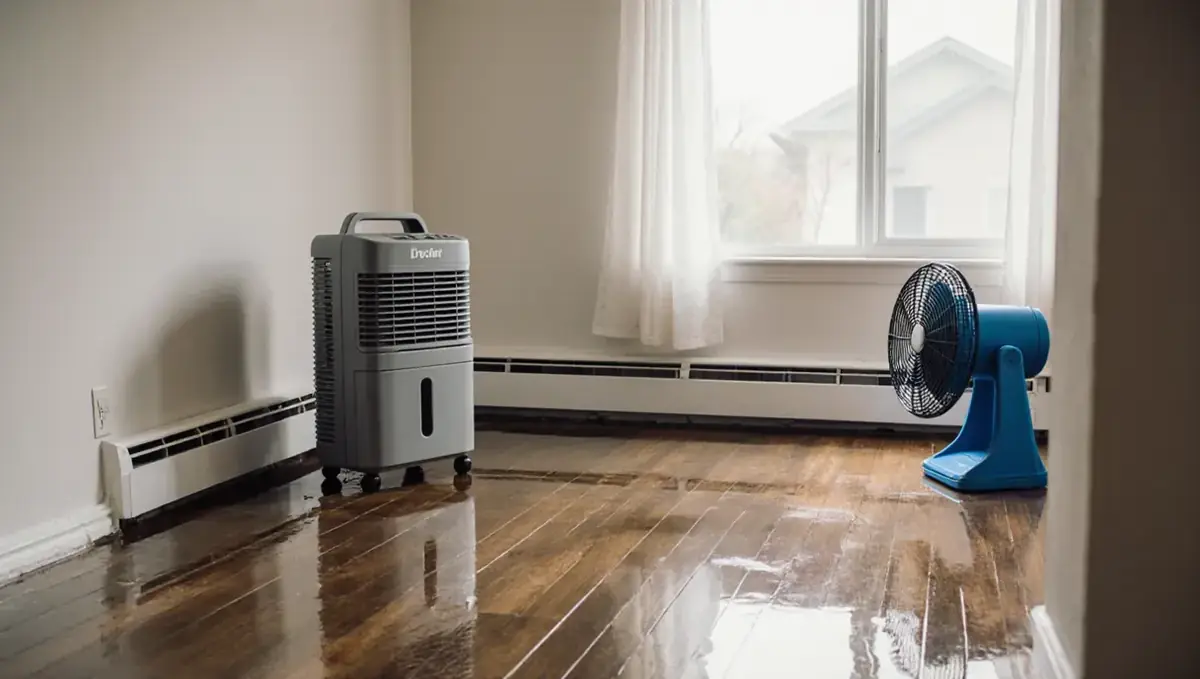
- Drying. Dehumidifiers and air movers run until readings return to normal. Learn more about structural drying.
- Repair. Damaged drywall, plaster, flooring and trim are replaced or restored. See water damage repair.
Before you hire, it is fair to ask a Sanford restoration company about its licensing, insurance and training, such as IICRC certification. For storm-related roof and wind damage, see storm damage cleanup.
Mold Cleanup and Florida Licensing in Seminole County
Mold can start growing on wet building materials within 24 to 48 hours, according to EPA guidance. After a flood that sits for days, as Lake Monroe's did, that window closes fast.
Florida's DBPR licenses mold assessors and mold remediators separately under Chapter 468, Part XVI of the Florida Statutes. The licensing requirement, as defined in the statute, applies to work on more than 10 square feet of mold. Use the state's license search to check both before a project starts.
For mold removal in Sanford, a remediator will typically set up containment and negative air before removing affected materials. Read more about mold removal.
Flood Insurance Advice From the City and the State
The City of Sanford recommends that every homeowner carry flood insurance, whether or not the property is in a mapped floodplain. Standard homeowners policies do not cover flood, so coverage has to come from the NFIP or a private flood policy, and NFIP policies usually carry a 30-day waiting period.
- Look up your flood zone on the City's floodplain management page, at City Hall or on the FEMA Flood Map Service Center.
- New buildings in Sanford's floodplain must have their lowest floor 2 feet above base flood elevation.
- Florida Statute 627.70132 gives you 1 year from the date of loss to report an initial or reopened claim and 18 months for a supplemental claim.
- Citizens policies with wind coverage must add flood insurance by January 1, 2027 under the phase-in.
WaterQ does not decide or influence claims, but good records help. Homeowners, landlords and downtown businesses can reach a local restoration company 24/7 at (888) 817-5061. We also connect callers in nearby Orlando and Daytona Beach.
Sanford Districts and Nearby Seminole and Volusia Communities
Our free referral line connects callers in Sanford and the surrounding Lake Monroe area with independent local restoration companies.
Neighborhoods
- Downtown Sanford
- Sanford Residential Historic District
- Sanford Avenue Historic District
- Georgetown
- Goldsboro
- Sanford Riverwalk / Lake Monroe waterfront
- Seminole Boulevard corridor
Nearby communities
- Lake Mary
- DeBary
- Deltona
- Winter Springs
- Longwood
- Oviedo
- Altamonte Springs
- Heathrow
- Geneva
- Casselberry
Sanford Water Damage FAQ
Why did Sanford flood days after Hurricane Ian had passed?
Lake Monroe is part of the slow-moving St. Johns River. As rain from across the basin drained in, the lake rose to a record level of about 8.5 feet, well above its 5.5-foot flood stage, and stayed high while the river slowly receded.
Do I need flood insurance in Sanford if I am not in a flood zone?
The City of Sanford recommends flood insurance for all homeowners, in or out of the floodplain, because homeowners policies do not cover flood. NFIP policies usually have a 30-day waiting period, so buy before storm season.
Can water-damaged older homes in Sanford's historic districts be dried without tearing everything out?
Often some materials can be dried in place, but it depends on the water category, how long materials stayed wet and moisture readings. A restoration company can assess plaster, wood floors and framing before recommending removal.
How do I check a mold company's license in Florida?
Florida DBPR licenses mold assessors and mold remediators for jobs over 10 square feet of mold. Search by name or license number on MyFloridaLicense.com.
What does WaterQ do when I call?
WaterQ is a free referral service. We connect you with an independent, local restoration company, which inspects the damage and performs the work. You can call 24/7.
Local emergency and flood resources
Official sources for alerts, flood maps and preparedness in and around Sanford: