Where Boynton Beach Takes On Water
Boynton Beach sits about 10 feet above sea level on the mainland side of the Intracoastal Waterway, with the barrier-island towns of Ocean Ridge, Briny Breezes, Gulf Stream and Manalapan across the water. The South Lake Worth Inlet, often called the Boynton Inlet, links the lagoon to the Atlantic.
The City lists two main flood sources: overflow of inland or tidal waters and fast runoff that piles up faster than drains can carry it away. Its own flood page puts the chance of a flood during a 30-year mortgage at 26 percent, a reminder that flooding is not only a waterfront problem.
One winter night showed how fast that can happen. During the January 9 and 10, 2014 flash flood, parts of southeast Palm Beach County picked up more than 12 inches of rain in a few hours, and the National Weather Service reported that Interstate 95 closed in Boynton Beach as lakes and canals overflowed.
Not every street behaves the same way. Ahead of Hurricane Milton in 2024, City utilities crews cleared storm drains in known problem areas, and local reporting named Lake Boynton Estates and Chapel Hill as neighborhoods that flood in heavy rain, along with Coquina Cove on the Intracoastal, where tidal surge is the concern. Free sandbags ran out the same afternoon they were offered.
Rain Flooding Versus Tidal Water: Why the Difference Matters
For a Boynton Beach homeowner, knowing where the water came from shapes the whole cleanup.
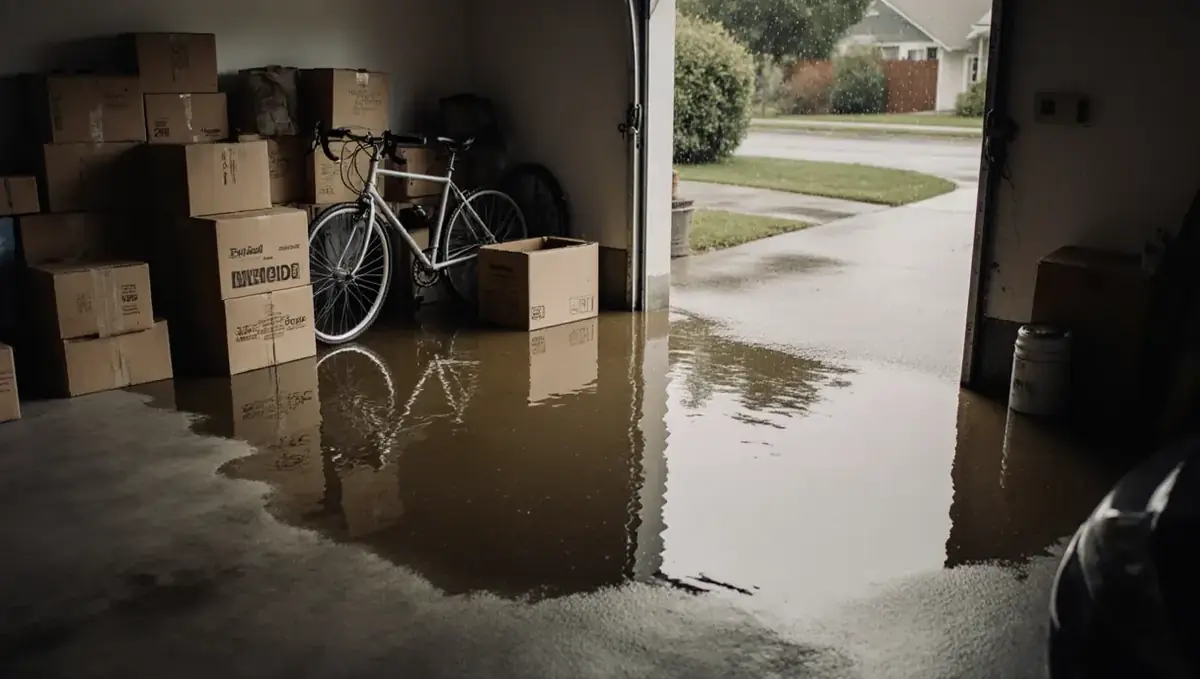
- Rain runoff that pools in a yard and slips under a garage door is outside water and can carry soil, fertilizer and debris. It usually needs cleaning as well as drying.
- Tidal or surge water along the Intracoastal is saltwater and is treated as Category 3, which often means removing soaked drywall, insulation and carpet pad.
- Plumbing water from a failed supply line, water heater or ice maker starts as clean Category 1 water, but it can degrade if it sits.
The City's Coastal Management Element also notes more frequent severe rainfall and extreme high tides, and the City keeps repetitive flood claim maps. If your street has flooded before, assume it can again and keep valuables off garage and ground-floor floors during the wet season.
Steps to Take Before Professional Help Arrives
- Stay clear of electrical risk. Avoid standing water near outlets and appliances, and turn off power at the breaker only if you can reach it from a dry spot.
- Shut the water off. For an indoor leak, close the main valve. In a condo, building staff can help find the unit shutoff.
- Keep out of floodwater. Palm Beach County warns never to drive through flooded roads, since depth is hard to judge and the road bed may be damaged underneath.
- Document it. Photograph the water level, the source and damaged belongings before you move anything.
- Lift and remove. Get rugs, papers, electronics and boxes off wet floors.
- Call (888) 817-5061. WaterQ will connect you with a local restoration company that can start emergency water removal.
How a Boynton Beach Restoration Job Unfolds
Water damage repair in Boynton Beach usually moves through four stages, though the details depend on the building and the water category.
- Assessment. The crew confirms the source, sorts out which materials can be saved and maps moisture with meters and thermal imaging.
- Extraction and removal. Pumps and extractors pull out standing water. After outside floodwater, wet drywall is often cut to a set height and insulation is bagged and removed.
- Drying. Dehumidifiers and air movers run until readings show materials are dry. Our structural drying page explains why this stage cannot be rushed in South Florida's humidity.
- Rebuild. Drywall, baseboards, flooring and cabinets are replaced once the structure is confirmed dry.
Before you sign anything, ask the company about its licensing, insurance and training, such as IICRC certification, and request copies of the moisture readings. See water damage restoration for more on the full process.
Boynton's Hurricane Record and Storm Damage Cleanup
The 1928 Okeechobee hurricane destroyed 46 homes and 18 buildings in Boynton and damaged hundreds more. In 2004, Hurricane Frances dropped 9.56 inches of rain on Boynton Beach, according to the National Weather Service, and pushed 2 to 4 feet of surge along the northeast Palm Beach coast. Hurricane Wilma followed on October 24, 2005, causing widespread damage across the area.
Storm damage cleanup after events like these often combines roof leaks and broken windows with flooded floors. A restoration company typically tarps or boards openings, removes debris and wet materials, then dries the structure. Learn more on our storm damage cleanup and flood damage restoration pages.
Palm Beach County's evacuation zones are based on surge risk, and the County requires mobile and manufactured home residents to evacuate in a hurricane warning no matter where they live. The City's hurricane preparedness page has local guidance.
Condos, 55+ Communities and Commercial Spaces
Boynton Beach grew in waves. Lake Boynton Estates was the first planned subdivision after the railroad arrived in 1926, and later projects such as Hampshire Gardens, Leisureville and Sterling Village added large blocks of homes and condos. In attached housing, a single leak can reach the unit below or next door, so tell the association or manager right away.
Seasonal owners should arrange for someone to check their unit after storms, because a slow drip can run unnoticed for weeks. Shops, offices and restaurants face the same drying needs on a larger scale, plus pressure to reopen. The City publishes a business hurricane prep guide, and property managers can call (888) 817-5061 to reach local providers who handle commercial drying.
Mold, Licensing and Insurance in Boynton Beach
EPA guidance notes that mold can start growing within 24 to 48 hours on wet materials, so drying quickly is the best way to avoid a separate mold removal job later. Florida's DBPR licenses mold assessors and mold remediators, and under the statute's definitions that license comes into play when more than 10 square feet of mold is involved. Look up any assessor or remediator on DBPR's online license search, and read about containment on our mold removal page.
On the insurance side, the City reminds residents that standard homeowners policies do not cover flood. Because Boynton Beach participates in the NFIP Community Rating System, NFIP policy owners receive a 25 percent discount. New NFIP policies typically have a 30-day waiting period. Florida Statute 627.70132 gives you 1 year from the date of loss to report a new or reopened property claim and 18 months for a supplemental claim, and Citizens customers with wind coverage will also need flood coverage by January 1, 2027.
Boynton Beach Areas and Surrounding Communities
WaterQ's free referral line connects callers throughout Boynton Beach and the nearby coastal and inland towns with independent local restoration providers.
Neighborhoods
- Downtown Boynton Beach
- Boynton Harbor Marina area
- Lake Boynton Estates
- Chapel Hill
- Coquina Cove
- Hampshire Gardens
- Leisureville
- Sterling Village
- Boynton Beach Arts District
Nearby communities
- Delray Beach
- Ocean Ridge
- Briny Breezes
- Gulf Stream
- Manalapan
- Hypoluxo
- Lantana
- Golf
- Lake Worth Beach
Boynton Beach Water Damage FAQ
How do I find out if my Boynton Beach home is in a flood zone?
The City says you can request a floodplain review from its Development Department, check FEMA's Flood Insurance Rate Maps on the FEMA Map Service Center, or search your address on the Palm Beach County flood zones interactive map.
Do Boynton Beach residents get a flood insurance discount?
Yes. Because the City participates in the NFIP Community Rating System, NFIP flood policy owners receive a 25 percent discount. Standard homeowners policies still do not cover flood, so a separate policy is needed.
Which Boynton Beach neighborhoods tend to flood in heavy rain?
Local reporting ahead of Hurricane Milton in 2024 named Lake Boynton Estates and Chapel Hill as areas that flood in heavy rain, and Coquina Cove on the Intracoastal as a tidal surge concern. Flooding can happen elsewhere too, so check your own address.
Does a mold remediator need a Florida license?
For jobs involving more than 10 square feet of mold, Florida's DBPR requires a mold remediator license, and mold assessors are licensed separately. You can verify both on MyFloridaLicense.com.
Is WaterQ a restoration company?
No. WaterQ is a free referral service that connects you with an independent, local restoration company serving Boynton Beach. That company handles the inspection, the drying and the repairs. You can call 24/7.
Local emergency and flood resources
Official sources for alerts, flood maps and preparedness in and around Boynton Beach: