Where Shingle Creek Meets the Everglades Headwaters
Kissimmee grew up on the northwest shore of Lake Tohopekaliga, known locally as Lake Toho. At 22,700 acres it is the largest lake in Osceola County. Shingle Creek, which begins up in Orlando, flows through the city and into the lake, and it is widely considered the headwaters of the Everglades.
From Lake Toho, water moves south through canals toward Cypress Lake and the Kissimmee River system. That chain is managed with locks and control structures, but when the whole basin fills during a tropical storm, water from upstream in Orange County keeps arriving even after the rain stops. City elevation sits around 72 feet, so the threat here is rising creeks and lakes rather than ocean surge.
That pattern shapes what water damage in Kissimmee usually looks like: slow-rising water that can sit for days, plus the everyday leaks every home eventually faces.
Hurricane Ian and the Flooding of Northeast Kissimmee
Hurricane Ian brought roughly 10 to 16 inches of rain over about 32 hours in late September 2022. The city manager described it as one of the most catastrophic flooding events in Kissimmee's history.
- Neighborhoods in northeast Kissimmee along Orange Blossom Trail, Columbia Avenue and North Central Avenue flooded, as did the Medical Arts District.
- By early afternoon on September 29, 127 people had been rescued or evacuated, including 91 residents of the Maxwell Terrace apartments.
- Shingle Creek overflowed into Good Samaritan Village, just as it had during Irma in 2017 with about half as much rain.
- Streets such as Donegan Avenue and Hoagland Boulevard went under but drained fairly quickly.
Rescuers also warned about submerged power lines and alligators in the water, a reminder that floodwater is never safe to wade through. Earlier, in August 2004, Hurricane Charley brought winds over 100 mph, followed within weeks by Frances and Jeanne.
Stay Safe, Then Start the Cleanup Clock
- Get safe. If water is rising from outside, leave for higher ground and follow any Osceola County evacuation order. Never drive through flowing water.
- Stop indoor leaks. Turn off the main water valve for a broken pipe, water heater or appliance line.
- Treat electricity as a hazard. Stay away from outlets, cords and appliances in wet areas, and keep clear of downed lines outdoors.
- Know the water category. Clean supply-line water is Category 1. Creek and lake floodwater is Category 3 and can carry sewage, chemicals and debris.
- Take pictures. Capture the water line on walls, the source and damaged items before anything is thrown away.
- Call for help. Dial (888) 817-5061 and we'll connect you with a local restoration professional who handles water extraction and drying.
Flood Cleanup and Storm Damage Cleanup in Osceola County
Floodwater from Shingle Creek or a swollen lake leaves silt and contaminants behind. Proper flood cleanup usually means removing wet carpet, pad, lower drywall and insulation, then cleaning and disinfecting what stays before drying begins. When the job grows into rebuilding, see flood damage restoration.
Wind events bring a different job. Storm damage cleanup in Kissimmee often starts with tarping a damaged roof, then drying ceilings, attics and walls that took in rain. Learn more about storm damage cleanup.
Osceola County sends flood notices through Alert Osceola by text and email. Its system declares a threat stage when water reaches at least 1 foot below the established historical flood mark, and an action stage when evacuation orders go out. The county's flood threat page links to real-time lake level data.
How Drying and Repairs Come Together
Here is the general order a Kissimmee restoration crew follows, though each property is different.
Pull out the water
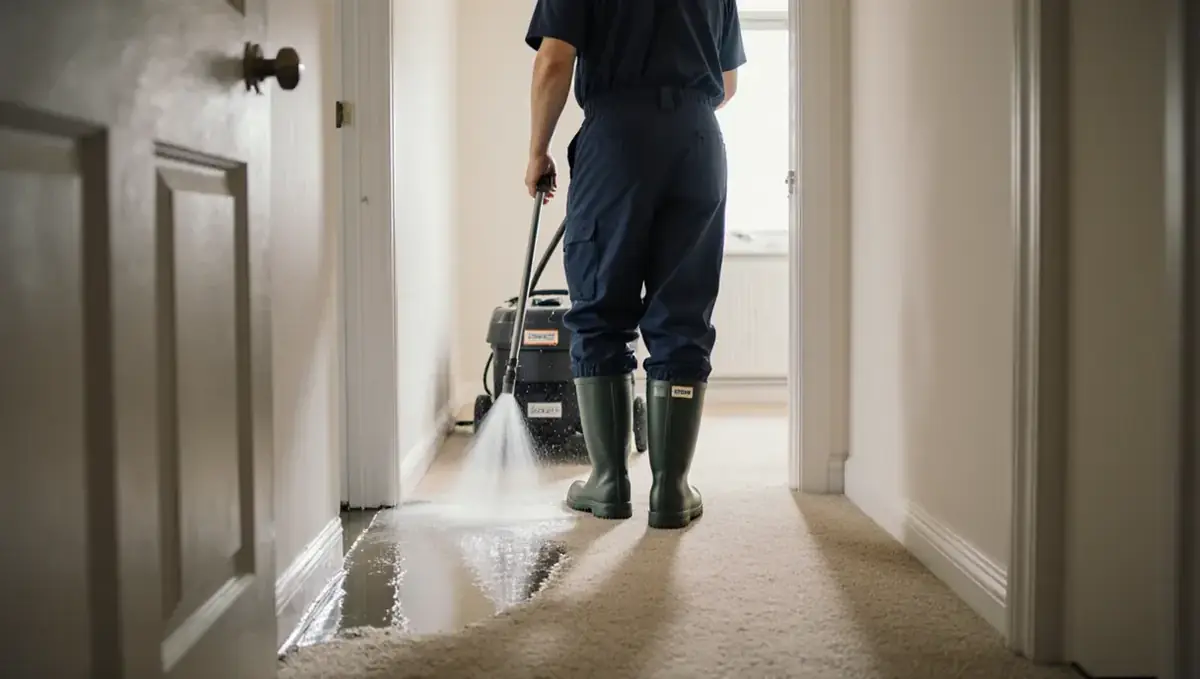
Extractors and pumps remove standing water so it stops soaking into baseboards and cabinets.
Map the moisture
Meters and infrared cameras trace water under flooring and inside walls. Those readings set the drying targets and give your adjuster hard numbers.
Dry it down
Dehumidifiers and air movers run, often for several days, with daily checks until materials read dry. In a wet Central Florida summer, controlled structural drying matters more than open windows.
Rebuild
Then comes water damage repair, such as new drywall, flooring and trim. Ask any contractor about licensing, insurance and training, such as IICRC certification, and look them up on MyFloridaLicense.com.
Keeping Mold From Taking Hold
According to EPA guidance, mold may appear on damp materials within 24 to 48 hours. In Kissimmee's humid summers, a slow leak under a sink or a flooded room that sits for a few days can turn into a mold problem quickly.
Florida requires state licenses for both mold assessors and mold remediators, issued by DBPR under Chapter 468 of the Florida Statutes. As the statute defines it, the licensing covers assessment or remediation of more than 10 square feet of mold. Confirm both licenses on DBPR's license search before hiring.
Professional mold removal isolates the work area so spores don't spread into the rest of the home.
Rentals, Second Homes and Insurance Records
Kissimmee borders the theme park areas of Lake Buena Vista and Four Corners. If you own a rental or a home you don't live in full time, remember that a leak in an empty house can run for days, so arrange for a neighbor or manager who has a key and knows where the shutoff is. Owners of apartments and businesses can call the same number for mold cleanup in Kissimmee and larger drying jobs.
- Flood is separate coverage. Homeowners policies generally exclude flood; NFIP and private flood policies fill that gap, and NFIP coverage typically starts after a 30-day wait.
- File on time. Florida Statute 627.70132 sets a 1-year deadline from the date of loss for initial or reopened claims and 18 months for supplemental claims.
- Citizens policyholders. Citizens is phasing in flood requirements, and policies with wind coverage need flood insurance by January 1, 2027.
- Check your zone. Use the city's interactive flood zone map or the FEMA Flood Map Service Center.
How an insurer decides is outside WaterQ's control. To reach a local restoration company now, call (888) 817-5061. Nearby, we also connect callers in Orlando.
Kissimmee Areas and Nearby Osceola Communities
Our free referral line connects callers in Kissimmee and surrounding Osceola and south Orange County communities with independent local restoration companies.
Neighborhoods
- Downtown Kissimmee
- Medical Arts District
- Lakefront (Lake Toho shoreline)
- Mill Slough
- Pleasant Hill
- Hoagland Boulevard area
- US 192 corridor
Nearby communities
- St. Cloud
- Celebration
- Buenaventura Lakes
- Campbell
- Poinciana
- Four Corners
- Hunter's Creek
- Lake Buena Vista
- Good Samaritan Village
- Intercession City
- Meadow Woods
Kissimmee Water Damage FAQ
Why can Kissimmee keep flooding after the rain stops?
Shingle Creek carries water from Orlando south into Lake Toho, so after a big storm, upstream water keeps arriving for days. During Hurricane Ian, the creek overflowed into Good Samaritan Village and lake levels rose around East Lake Toho.
How do I get flood alerts in Osceola County?
Sign up for Alert Osceola, the county's text and email alert system. The county also uses Wireless Emergency Alerts and the Emergency Alert System, and its flood threat page links to real-time lake level data.
Who checks a mold remediator's license in Florida?
The Florida Department of Business and Professional Regulation (DBPR) licenses mold assessors and remediators for jobs involving more than 10 square feet of mold. Search by name or license number on MyFloridaLicense.com.
Can I get help for a vacation rental I own in Kissimmee?
Yes. Owners and property managers can call the 24/7 line, and we will connect them with an independent local restoration company that can inspect the property and coordinate the work.
Local emergency and flood resources
Official sources for alerts, flood maps and preparedness in and around Kissimmee: