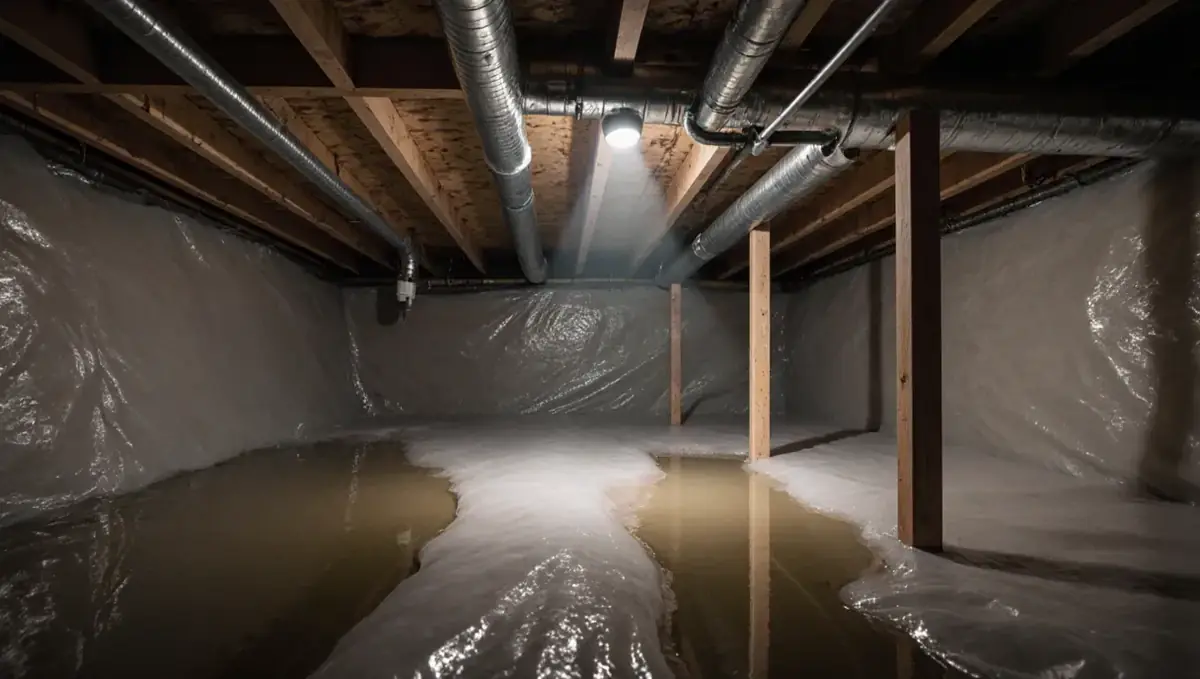
Thirty-Eight Named Lakes and Very Little Slope
Lakeland lives up to its name. The city covers about 75 square miles, and roughly 9 of them are water. Thirty-eight lakes are named, from Lake Parker, the largest at about 2,550 acres, to Lake Morton, Lake Hollingsworth and Lake Mirror downtown. Many smaller, unnamed ponds are old phosphate pits that filled with water over time.
The city sits around 203 feet above sea level in the Central Florida Highlands, far from any storm surge. The challenge here is different: the land is mostly flat, and when every lake, creek and wetland in the area is high at the same time, water has very few places to go. Lake levels can stay up for weeks after a big storm.
For water damage in Lakeland, call (888) 817-5061. We connect you with a trusted, local restoration company.
What Milton Did to Lake Bonny and Lake Parker
The 2024 wet season had already been soaked before Hurricane Milton arrived. From June until the storm, the Lake Hollingsworth gauge logged 62.65 inches of rain against a normal of about 30.5. Then Milton dropped more than 12 inches on Lakeland in roughly a day, with one gauge in the city reaching 13.13 inches.
Lake Parker rose several feet and spilled across Memorial Boulevard. The promenade at Lake Mirror went underwater. Around Lake Bonny, homes in the Bonny Shores and Lakeland Livin' mobile home parks, along Lake Bonny Drive East and Sunset Avenue, and at Bonny Apartments took on water. The Army Corps of Engineers brought in industrial pumps and thousands of feet of pipe to move water from Lake Bonny to Lake Parker and stayed 41 days.
A 2025 watershed study found Lake Bonny's drainage infrastructure insufficient for a storm like Milton and recommended more pumping capacity. For homeowners, the takeaway is that lakeside flooding can last long enough for mold to become a serious secondary problem.
Bungalows on Piers and the Crawl Space Problem
Lakeland's historic districts hold a large stock of early 20th-century homes. Dixieland's Craftsman bungalows date from about 1905 to 1940. Homes in South and East Lake Morton sit on raised foundations with deep porches, and many in Lake Hunter Terrace rest on brick piers. Beacon Hill and Biltmore-Cumberland add bungalows and masonry houses from the 1920s through the early 1950s.
Raised houses have advantages in a flood, but the space underneath needs attention:
- Standing water in the crawl space after heavy rain raises humidity under the floor and can lead to mold, wood rot and cupped flooring.
- Older supply and drain lines run through that space, and a slow leak can go unnoticed for months.
- Insulation and vapor barriers that get wet usually need to be removed rather than dried.
If you smell mustiness or see floorboards cupping, have the crawl space checked. A restoration company can pump out water and set up drying equipment underneath the house.
Your First Moves in a Wet Lakeland House
- Stop the source. Close the main shutoff for any plumbing leak. If lake or floodwater is rising, move to higher ground and follow official instructions.
- Watch out for power. Water and electricity together are the biggest hazard. Keep away from submerged cords and outlets.
- Know which water you're dealing with. Lake water, creek water and sewage backups are Category 3 and need protective gear and professional cleaning.
- Take pictures of every affected room, the waterline and the outside of the house.
- Ventilate if safe. Open interior doors and run air conditioning if the system is not flooded.
Then call (888) 817-5061 to reach a local provider who handles emergency water extraction. Help is a phone call away 24/7.
How Restoration Companies Work a Lakeland Job
The details vary, but water damage restoration in Lakeland tends to follow this order.
- Assessment. The crew confirms the source and water category and checks the crawl space or slab, attic and neighboring rooms.
- Extraction. Pumps and extraction tools remove standing water from floors, carpets and under the house.
- Removal of unsalvageable materials. Soaked carpet pad, drywall, insulation and vapor barrier are taken out, especially after Category 3 water.
- Drying and monitoring. Air movers and dehumidifiers run, with moisture meters used to track progress. Details are on our structural drying page.
- Repairs. Flooring, subfloor, walls and trim are rebuilt. Our water damage repair page outlines what that involves.
Before work begins, ask any restoration company about its licensing, insurance and training, such as IICRC certification.
Hurricane Wind and Storm Damage Cleanup Inland
Polk County is no stranger to hurricanes. In 2004, Charley, Frances and Jeanne all tracked over the county within about six weeks. Charley, the strongest storm in recent county history, gusted to 58 mph at Lakeland as its center passed near Lake Wales. Frances followed with record flooding across Polk and the Peace River basin.
Wind damage often turns into water damage: torn shingles, broken windows and fallen limbs let rain inside long after the storm passes. Storm damage cleanup covers tarping, debris removal and drying the interior. Lakeland also has sinkhole history; in 2006 a cluster of sinkholes nearly drained Scott Lake. Sinkhole damage is a different issue from water damage, so ask your insurer how your policy treats each. Residents in nearby Winter Haven face a similar lake-country mix.
Mold Removal and Licensing in Florida
The EPA notes that wet materials can start growing mold in 24 to 48 hours. When a lake stays high for days, homes may not even be reachable in that window, so expect mold cleanup to be part of any long-duration flood job in Lakeland.
Florida's DBPR licenses mold assessors and mold remediators. Per the statute's definitions, the license covers assessing or remediating more than 10 square feet of mold. You can verify both on MyFloridaLicense.com. Learn more on our mold removal page.
Flood Zones, Elevation Records and Claims
- Look up your property. The City's flood risk portal shows flood zone, base flood elevation and available elevation certificates by address.
- CRS discount. Lakeland holds a Community Rating System Class 7, which saves policyholders in the Special Flood Hazard Area 15 percent.
- Flood is separate. Homeowners policies generally exclude flood. NFIP coverage typically has a 30-day waiting period.
- Florida deadlines. Florida Statute 627.70132 allows 1 year from the date of loss for notice of a new or reopened claim and 18 months for a supplemental claim.
- Citizens. By January 1, 2027, a Citizens personal residential policy that includes wind coverage will also need flood insurance.
No outcome can be promised on any claim, but thorough photos and drying records help. For flood cleanup or storm damage in Lakeland, call (888) 817-5061.
Lakeland Neighborhoods and Polk County Communities Nearby
WaterQ connects callers across Lakeland and surrounding Polk County communities with independent local restoration providers.
Neighborhoods
- Downtown / Munn Park
- Dixieland
- Beacon Hill
- Biltmore-Cumberland
- Lake Hunter Terrace
- South Lake Morton
- East Lake Morton
- Lake Hollingsworth
- Lake Bonny
- Lake Mirror
Nearby communities
- Lakeland Highlands
- Kathleen
- Highland City
- Lake Gibson
- Auburndale
- Mulberry
- Bartow
- Polk City
- Plant City
- Winter Haven
Lakeland Water Damage FAQ
Why did some Lakeland lakes stay flooded for weeks after Milton?
The area is flat, and lakes, creeks and wetlands were all high at once after a very wet summer. At Lake Bonny, the Army Corps of Engineers pumped water into Lake Parker and remained on site for 41 days.
How can I find my flood zone in Lakeland?
Use the City of Lakeland's Forerunner flood risk portal, which shows flood zone, base flood elevation and elevation certificates by address. The FEMA Flood Map Service Center is another option.
My older Lakeland home is on piers. What should I check after heavy rain?
Look for standing water or damp insulation in the crawl space, a musty smell, or cupped floorboards. Water under a raised home raises humidity and can lead to mold and rot if it is not removed and dried.
Does Florida require mold remediators to be licensed?
Yes, for work involving more than 10 square feet of mold. The Florida DBPR licenses mold assessors and mold remediators, and both can be checked on MyFloridaLicense.com.
Who actually does the work when I call WaterQ?
An independent, local restoration company. WaterQ is a free referral service that connects you with that company, which then handles the inspection and restoration. The line is available 24/7.
Local emergency and flood resources
Official sources for alerts, flood maps and preparedness in and around Lakeland: