Inland Pinellas Still Floods
Largo sits in the middle of the Pinellas peninsula, with the Intracoastal Waterway to the southwest and Tampa Bay to the northeast. It is not a beach town, and that can give a false sense of security. McKay Creek, Allen's Creek and Church Creek drain much of the city, and Taylor Lake, at 53 acres, is the largest of its lakes.
The City of Largo lists several reasons water collects here: a high water table, the influence of coastal tides and surge, low-lying neighborhoods, pavement that sheds rain instead of absorbing it, ditches clogged with debris and aging pipes in some areas. Its own flood page puts it simply: everyone in Pinellas County faces flood risk.
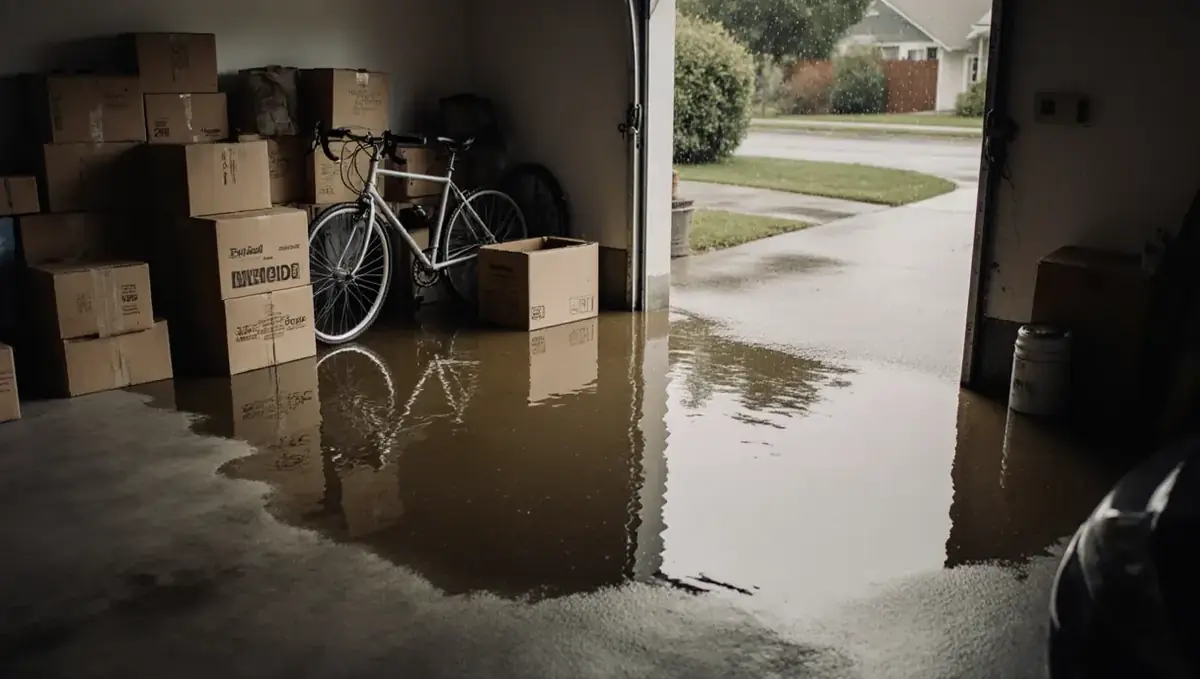
For many homeowners, water damage in Largo arrives as a flooded garage, water seeping under doors or a creek that crosses into the backyard, rather than as ocean surge.
The Record-Setting Rain of 2024
Largo's wettest month on record came in August 2024, when 17.78 inches of rain fell, well above the 1915 record of 15.45 inches and more than double a normal August's 8.39 inches. Early September added another 8.65 inches in just four days. With the ground already saturated, mid-Largo neighborhoods between Rosery Road and East Bay Drive saw significant flooding.
Then Hurricane Milton arrived in October with heavy rain. McKay Creek overflowed into homes along Crescent Drive, and residents reported eroded seawalls and lost yards. Largo's city manager acknowledged that local infrastructure is not built to handle 100-year rains.
The City has since outlined eight major stormwater projects worth $35 million over five years, a watershed study and a plan to convert the former Pinecrest Golf Club into a retention area, pending funding. Those projects take time, so preparing your own home still matters.
Steps to Take as Soon as Water Appears
- Respect moving water. The City warns never to drive through flooded roads or walk through flowing water, and to stay away from downed power lines.
- Cut off the source if it is plumbing. Close the main water valve, then switch off power to wet rooms only if the breaker is dry and reachable.
- Raise what you can. Lift valuables, electronics and small appliances off the floor, as the City recommends before storms.
- Treat creek and street water as contaminated. Floodwater is Category 3 and can carry sewage, chemicals and debris.
- Take dated photos. Capture the garage, each room, the waterline and damaged belongings.
Then call (888) 817-5061. WaterQ is a free referral line, and we connect you with a local restoration professional for emergency water extraction and cleanup.
Garages, Slabs and Ground-Level Rooms
When rainwater or creek water rises, the lowest parts of a house take it first. Attached garages, laundry rooms and first-floor bedrooms on slab foundations are common trouble spots. Water that sits against the base of a wall wicks upward into drywall and baseboards, often higher than the visible waterline.
In a garage, the concern is often what is stored there: cardboard boxes, tools, paint and chemicals can all contaminate floodwater further. In living spaces, carpet pad and the bottom of the drywall usually have to come out after contaminated water.
Flood cleanup in Largo also includes clearing mud and sediment, sanitizing surfaces and then drying the structure. Our flood cleanup page covers what to expect.
More than a quarter of Largo residents are 65 or older. If lifting soaked rugs or hauling out wet boxes is not realistic, leave it for family, neighbors or the restoration crew rather than risking a fall on a slippery floor.
What the Restoration Company Does Next
Water removal
Pumps and extractors take out standing water and as much moisture as possible from flooring.
Tear-out where needed
After floodwater, crews typically remove soaked drywall, insulation, carpet and pad, then clean and disinfect what remains.
Drying with measurements
Dehumidifiers and air movers run while moisture readings are taken and recorded each day. Drying ends when readings, not the calendar, say materials are dry. Learn about structural drying.
Repairs and rebuild
Water damage repair in Largo finishes with new drywall, trim, flooring and paint. Ask each company you consider about its licensing, insurance and training, such as IICRC certification.
Mold After a Long, Wet Largo Summer
After the long, wet stretch of 2024, many Largo homes stayed damp for weeks. Following EPA guidance, mold can begin to grow within 24 to 48 hours on wet building materials, so prompt drying is the best prevention.
For mold removal in Largo on anything larger than a small spot, Florida's licensing rules apply. The state's DBPR licenses mold assessors and mold remediators under Chapter 468, and under the statute's definitions that license covers assessment or remediation of more than 10 square feet of mold. Look up both on MyFloridaLicense.com before work begins.
See our mold removal page for how containment works.
Insurance Steps for Rain and Creek Flooding
- Rising water is flood. Water from an overflowing creek or flooded street is generally excluded from homeowners policies and covered only by NFIP or private flood insurance. A sudden pipe burst is a different kind of claim.
- Plan ahead. The City reminds residents that NFIP policies have a 30-day waiting period. Largo participates in the Community Rating System, which provides a discount on flood premiums.
- Florida claim deadlines. Under Statute 627.70132, notice of an initial or reopened claim is due within 1 year of the date of loss, and a supplemental claim within 18 months.
- Citizens policyholders. By January 1, 2027, Citizens personal residential policies with wind coverage must also carry flood coverage.
- Report drainage problems. Use the City's service request portal, or call the floodplain manager at 727-588-1675.
WaterQ has no say in any claim outcome, but good records help. For storm damage cleanup or a leak, call (888) 817-5061 and be connected with a local company.
Largo Areas and Mid-Pinellas Communities
WaterQ's free 24/7 line connects callers in Largo and nearby mid-Pinellas communities with independent local restoration providers.
Neighborhoods
- Downtown Largo (West Bay Drive)
- Mid-Largo (Rosery Road to East Bay Drive)
- Crescent Drive / McKay Creek area
- Taylor Lake area
- Allen's Creek area
- Largo Central Park area
Nearby communities
- Clearwater
- Belleair Bluffs
- Belleair
- Seminole
- Pinellas Park
- Indian Rocks Beach
- Ridgecrest
- Bardmoor
- Harbor Bluffs
- St. Petersburg
Largo Water Damage FAQ
Does Largo flood even though it is not on the beach?
Yes. The City cites a high water table, tides, low-lying neighborhoods, paved surfaces and clogged ditches as flood factors. In August 2024, a record 17.78 inches of rain flooded parts of mid-Largo.
Is water from McKay Creek covered by my homeowners policy?
Usually not. Water rising from a creek or street is generally treated as flood, which requires an NFIP or private flood policy. Check your own policy terms with your agent.
What is Largo doing about flooding?
The City has outlined eight major stormwater projects totaling $35 million over five years, routine pipe and ditch maintenance, a watershed study and a proposed retention area at the former Pinecrest Golf Club.
Does a mold job need a licensed contractor in Florida?
For assessment or remediation of more than 10 square feet of mold, Florida's DBPR licenses apply. You can verify a license on MyFloridaLicense.com.
Does WaterQ do the restoration work?
No. WaterQ is a free referral service, available 24/7, that connects you with an independent local restoration company. That company inspects the damage and does the work.
Local emergency and flood resources
Official sources for alerts, flood maps and preparedness in and around Largo: